In this guide
Fine Hair Guide: Myths & Science-Backed Tips (Part 29)
Fine hair demands a smarter routine — not more products, but the right ones paired with gentle techniques and myth-free thinking. In this part of the series, you’ll learn exactly how to wash, cut, style, and nourish delicate strands to look their thickest and healthiest. Whether you struggle with limp roots or fragile ends, the science-backed strategies here give you a complete blueprint for real volume that lasts.
If your hair has ever felt like it falls flat by noon, refuses to hold a curl, or gets greasy no matter what you do, you’re not alone. Welcome back to our fine hair series. In Part 28, we covered the fundamentals of cleansing and product selection. Here, we’ll build on that foundation with myth-busting, expert-approved techniques, and practical routines designed specifically for the unique needs of fine, fragile strands.
What Exactly Is Fine Hair?

One of the most common mix-ups in hair care is using “fine” and “thin” interchangeably. Fine hair refers to the diameter of each individual strand. While thickness can vary from person to person, texture experts often cite fine strands as measuring roughly 0.05 millimeters across – up to half the width of a coarse hair. This small circumference means the protective cuticle layer and the inner protein-rich cortex are naturally more delicate, so your hair can break, tangle, or go limp more easily.
Thin hair, on the other hand, describes low hair density – the number of follicles per square inch on your scalp. You can have fine but dense hair (many very slender strands), or coarse but thin hair (fewer, thicker strands). Understanding this distinction is the first step toward a smarter routine. The most common traits of fine hair include:
- Quick oiliness: The hair shaft’s slimness lets natural scalp oils travel down quickly, making roots look greasy just hours after washing.
- Lack of natural volume: Without the internal protein weight of thicker hair, fine strands struggle to lift themselves, especially at the crown.
- Fragility: Heat, chemical processing, and rough handling can snap it easily. It rarely bounces back from damage as resiliently as coarse hair.
- Struggle to hold curls: Its light weight and smooth surface often cause even carefully set waves to fall within minutes.
Try this simple strand test: pluck a single hair and roll it between your fingers. If you can barely feel it, it’s fine. A hair that feels like a thread of silk or nothing at all is a classic sign of a small diameter.
The Fine Hair Washing Routine: Shampoo & Conditioner
Your cleanser and conditioner either build volume or crush it completely. Treat your scalp and lengths as two different zones, and choose formulas that provide hydration without heft. Part 28 touched on washing basics; now we’ll get into the specifics for daily success.
Volumizing, Sulfate-Free Shampoos
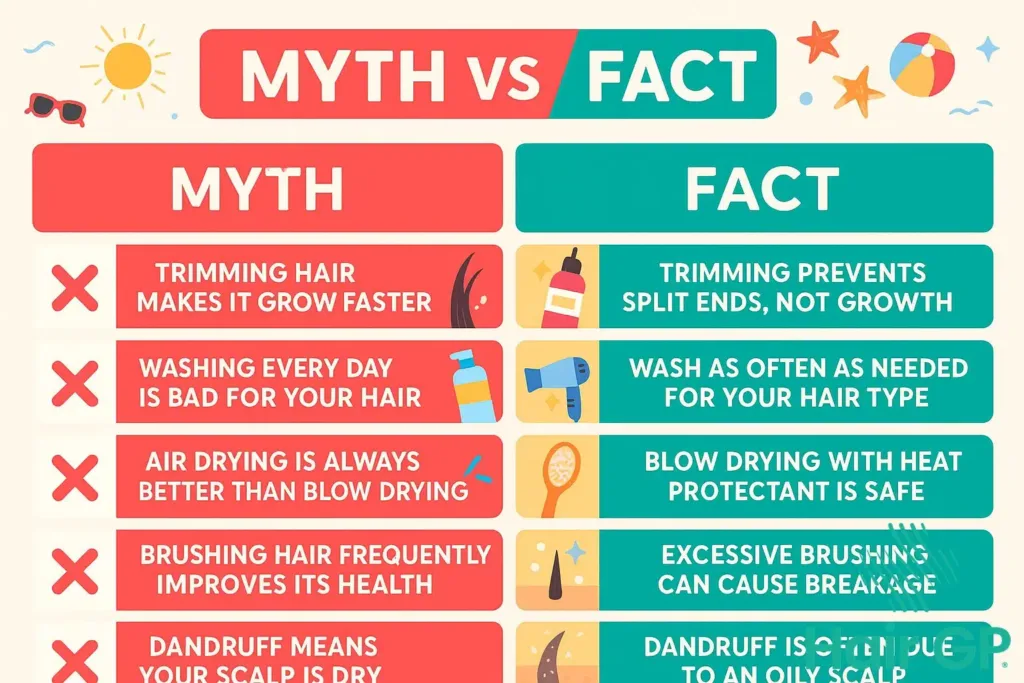
Traditional sulfate-based shampoos (like those with sodium lauryl sulfate or ammonium laureth sulfate) create big bubbles but can be too stripping for this hair type. Over-cleansing signals the scalp to overproduce sebum, leading to oilier roots and more frequent washing – a vicious cycle. Instead, choose sulfate-free shampoos labeled “volumizing” or “lightweight.” These often contain gentle cleansers such as sodium cocoyl isethionate or lauryl glucoside, plus polymers (e.g., polyquaternium-11) that lightly coat strands to add body without buildup. Ingredients like panthenol (provitamin B5) and hydrolyzed wheat protein are frequently added to temporarily swell or coat the hair shaft, giving each strand a thicker feel.
Examples: Look for shampoos like Kenra Volume Shampoo, Briogeo Blossom & Bloom Volumizing Shampoo, or Living Proof Full Shampoo – these are popular lightweight options that cleanse without overloading. On days you need a deeper reset (about every 7–10 days), use a sulfate-free clarifying shampoo to remove product residue that can dull and weigh down your hair. Always follow immediately with a lightweight conditioner, applied only from the mid-lengths to ends.
Condition Only From Mid-Lengths to Ends
Heavy, creamy conditioners are the top reason fine hair can look oily and limp. Your scalp already produces enough natural moisture; adding conditioner near the roots encourages clumping and collapse. Apply a rinse-out conditioner labeled “weightless moisture” or “sheer hydration” from your ears downward. Let it sit for 1–3 minutes, then rinse thoroughly. If your ends feel extra fragile, use a leave-in spray detangler – but choose a fine mist, not a cream or lotion.
Finding the Right Wash Frequency
The popular “wash once a week” trend isn’t built for fine hair. Because oil travels so fast, a gap of one to two days between shampoos often works best. You might wash every other day, or every two days depending on your lifestyle. The goal is to keep the scalp comfortable without stripping it. On off days, a water‑only rinse and a light application of dry shampoo (like Batiste Dry Shampoo or Klorane Oat Milk Dry Shampoo) can refresh your roots without a full reset.
Best Haircuts for Fine Hair: Styles That Create the Illusion of Thickness

A great cut is the single biggest shortcut to all-day volume. With the right shape, you can make hair appear instantly denser and drastically reduce styling time.
- Blunt Bobs and Lobs: A sharp, blunt line at the ends removes wispy, thinned-out layers and creates a heavier, fuller-looking perimeter. A chin-length or collarbone bob (lob) on fine hair gives the impression of strong, healthy density.
- Layered Cuts (with Caution): Strategic internal layers add movement and texture without stealing too much bulk. Ask your stylist for long, soft layers – no short, choppy pieces – and request that they avoid thinning shears, which can leave ends looking sparse.
- Pixie Cuts: A well-executed pixie removes enough weight so the remaining hair can stand away from the scalp, creating automatic lift. Textured pixies with slightly longer pieces on top are especially flattering for fine strands.
- Blunt Ends on Any Length: Even if you keep your hair long, resist feathered or razored tips. A blunt trim preserves bulk and makes your ponytail appear thicker.
Blow-Drying That Lifts Roots
The way you dry your hair determines where volume will sit for the rest of the day. Begin with a root lift spray (try Redken Guts 10 Volume Spray Foam or Bumble and bumble Thickening Dryspun Volume Texture Spray) or a lightweight mousse applied directly to damp roots at the crown. Flip your head upside down and dry until the roots are about 80% dry – this sets the lift. Then, using a medium round brush, pull sections upward and away from your scalp while aiming the dryer nozzle downward to smooth the cuticle and add shine. Always use a concentrator nozzle; it focuses airflow and prevents frizz.
Once dry, blast the roots with the cool‑shot button and avoid touching while the hair cools. Any manipulation during cooling can flatten the volume you just created.
Weightless Volumizing Products
Not all styling products are created equal. The secret for fine hair is to steer clear of creams, butters, and heavy silicones that drag strands down. Your lightweight arsenal should include:
- Root lift spray: A water‑thin formula (often containing polyquaternium) that coats the base and provides grip. Mist directly onto the scalp before blow-drying.
- Dry shampoo: Absorbs oil, adds texture, and revives second-day hair. Starch‑based options like Batiste or Klorane work well; spray 6–8 inches from the roots, wait a minute, then massage in.
- Hair thickening fibers: Tiny, electrostatically charged cotton or keratin fibers that bind to individual hairs, instantly making each strand appear thicker. These are especially useful for covering sparse areas at the crown, though they’re not a cure for hair loss.
Styling Fine Hair Without Damage: Heat & Heat-Free Alternatives
Fine strands are far less forgiving of heat than coarse ones. High temperatures can literally boil the moisture inside the hair, leading to permanent bubble hair or severe breakage. Follow these do’s and don’ts to style safely.
Do’s:
- Always use a thermal protectant. Choose a lightweight spray with ingredients like dimethicone or hydrolyzed proteins. Apply to damp hair before blow-drying, and never skip it before using a flat iron or curling wand.
- Start with the lowest effective temperature. Most stylists recommend beginning between 250°F and 300°F (120°C–150°C) for fine hair, then increasing only if necessary. The right temperature can vary by tool; always follow the manufacturer’s guidelines and watch for signs of damage.
- Invest in a tourmaline or ceramic flat iron. These materials distribute heat more evenly and emit negative ions that smooth the cuticle, reducing the need for multiple passes.
- Limit heat styling to 1–2 times per week. On other days, rely on heatless methods.
Don’ts:
- Never use a straightener on wet or damp hair unless the tool is specifically designed for that purpose – and most are not. The instant steam can fracture the hair shaft.
- Don’t clamp the iron right at the root and hold it. The intense heat near the delicate base can cause breakage; always start about an inch from the scalp.
- Avoid re-curling or re-straightening the same section repeatedly. One smooth pass should be enough with proper technique.
Heat-Free Alternatives
- For soft waves, braid slightly damp hair in two or more sections before bed. In the morning, undo the braids and shake out the waves with your fingers.
- Use flexi‑rods or foam rollers on towel‑dried hair, leaving them in until completely dry for long‑lasting curl without heat.
- Scrunch a lightweight mousse or sea salt spray into damp hair and let it air‑dry. The salt adds grit and texture that keeps fine hair from looking stringy.
Diet for Fine Hair Strength & Scalp Care
No topical product can fully compensate for a nutritional gap. Hair is almost entirely protein (keratin), and its growth phase is highly sensitive to what you eat. While you cannot change your genetically determined strand diameter, you can strengthen each fiber and maximize the health of your scalp.
- Protein: Include eggs, lean meats, Greek yogurt, legumes, and quinoa in your meals. A low‑protein diet may lead to dry, brittle hair and slower growth.
- Biotin & B Vitamins: Biotin (vitamin B7) supports keratin infrastructure. Nuts, seeds, sweet potatoes, and avocado are good sources. Most people get enough biotin through diet; true deficiencies are rare.
- Iron: Ferritin (stored iron) is critical for hair growth. Low iron is associated with increased shedding. Spinach, lentils, lean red meat, and pumpkin seeds are excellent sources; pair them with vitamin C (citrus, bell peppers) to enhance absorption.
- Omega‑3 Fatty Acids: These nourish hair follicles. Salmon, sardines, flaxseeds, and walnuts are all good choices.
Scalp Care for Volume
Your scalp’s condition directly influences how your hair looks. A buildup of dead skin cells, excess oil, and product residue can flatten roots and clog follicles. A gentle scalp scrub or a shampoo containing salicylic