Category: Hair Fine

  • Fine Hair Series Part 30: The Scalp-Follicle Circuit – Evidence-Based Scalp Care to Maximize Density and Volume


    Fine Hair Part 30: The Scalp‑Follicle Circuit – Maximize Density & Volume


    Fine Hair Series · Part 30

    Fine Hair Part 30: The Scalp‑Follicle Circuit – Evidence‑Based Scalp Care to Maximize Density & Volume

    Moving beyond surface‑level styling tricks toward a biologically informed, long‑term routine that nourishes the root environment — where genuine density begins.

    After twenty‑nine instalments exploring every facet of fine hair — from cut techniques and colour strategies to product formulation and heat‑free styling — this thirtieth entry marks a deliberate pivot. The conversation shifts from what happens on the hair shaft to what happens beneath it: the living, breathing ecosystem of the scalp. For those with fine hair, volume is often chased through mousses, texturising sprays and backcombing. Those methods work cosmetically, but they are temporary scaffolding. True, lasting density improvement requires understanding something this series calls the Scalp–Follicle Circuit — the bidirectional relationship between scalp health and follicle function, where blood flow, nutrient delivery, inflammation levels and mechanical stimulation collectively determine how many strands grow, how thick each strand becomes and how long each strand persists before shedding.

    Fine hair is not a flaw. It is a genetic reality shaped by follicle diameter, anagen‑phase duration and the scalp’s biochemical milieu. The encouraging news is that while you cannot change the number of follicles you were born with, you can influence the environment those follicles inhabit. This article examines the evidence behind scalp massage, topical vasodilators, microneedling, nutritional support, exfoliation strategies, stress modulation and heat‑styling habits — all filtered through the lens of fine, easily‑weighed‑down hair. Every recommendation draws on published research, clinical observations or established physiological principles, though many findings come from small studies and should be viewed as promising rather than definitive. The goal is not instant fluff; it is measurable, incremental density gain over months of consistent care.

    1. Revisiting the Physiology of Fine Hair: Genetics, Follicle Shape and the Anagen Cycle

    Fine hair is defined primarily by the diameter of each individual strand — typically less than 60 microns, whereas medium‑to‑coarse hair often ranges from 80–120 microns. This diameter is set by the shape and size of the dermal papilla at the follicle’s base during embryological development. A narrower follicular canal produces a finer shaft. Additionally, the anagen (active growth) phase tends to be shorter in people with fine hair — often lasting 2–4 years rather than the 5–7 years seen in thicker hair types. This shorter growth window means each strand reaches a shorter terminal length and spends proportionally more time in the telogen (resting) and exogen (shedding) phases.

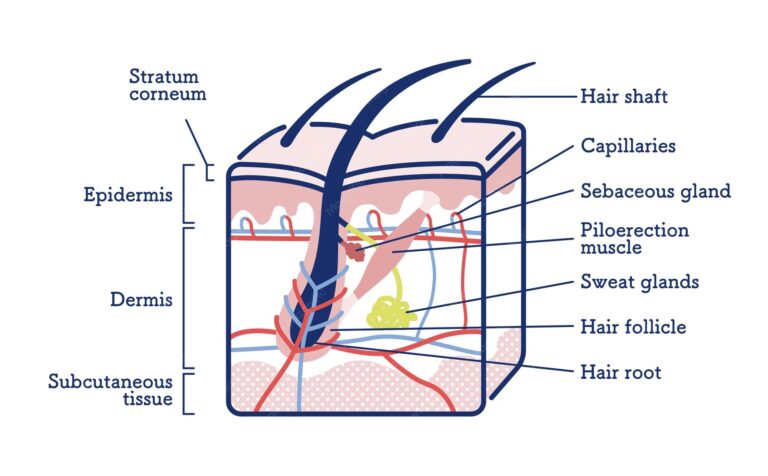
    These traits are largely polygenic — inherited through multiple genes influencing follicle morphogenesis, androgen sensitivity and growth factor signalling. However, genetic predisposition is not destiny. The follicle is a dynamic mini‑organ that responds to its local environment. Blood supply delivers oxygen and nutrients; sebaceous glands provide lubrication and antimicrobial protection; the perifollicular collagen matrix offers structural support. When any component of this circuit degrades — from chronic inflammation, reduced microcirculation or nutritional shortfalls — the follicle can produce a thinner shaft, shorten its anagen phase or enter a prolonged resting state. Because fine hair already has less shaft mass, a relatively small decrease in diameter is often more visibly apparent than on coarser hair.

    Understanding this physiology reframes the entire approach. The aim is not to “thicken” hair in the way a coating product might — it is to optimise the follicle’s functional capacity, extending anagen and maximising the diameter each follicle can achieve within its genetic limits.

    2. Scalp Massage for Fine Hair: Mechanical Stimulation, Gene Expression and Clinical Data

    Scalp massage is one of the most accessible, low‑cost interventions for the Scalp‑Follicle Circuit — yet it is often dismissed as folk wisdom. A small 2016 study published in Eplasty examined the effects of standardised daily scalp massage on nine healthy men and reported measurable increases in hair thickness after 24 weeks; these findings, while encouraging, need replication in larger trials. The proposed mechanism is mechanotransduction: the conversion of mechanical stretch forces into biochemical signals within dermal papilla fibroblasts. Some laboratory research suggests that gentle stretching may upregulate genes associated with hair growth, including those encoding cyclin D1 and beta‑catenin, and downregulate markers linked to follicle regression such as interleukin‑6. However, direct human in‑vivo evidence for these molecular pathways remains limited.

    A 2019 survey‑based study in Dermatology and Therapy found that among more than 300 participants who practised regular scalp massage — typically 11–20 minutes per day — a majority self‑reported stabilisation of hair loss or visible regrowth. Self‑reported data can overestimate effects, but the pattern is supported by physiological plausibility. A protocol that emerged as effective involved moderate pressure applied with fingertips or a soft silicone massage tool, moving in small circular motions across the entire scalp. For fine hair specifically, gentleness is paramount: aggressive tugging can snap fragile strands at the root or irritate the follicle. A silicone scalp brush with widely spaced, rounded bristles reduces friction and distributes pressure evenly.

    Practical Protocol for Fine Hair: Use a soft silicone scalp brush for 4–5 minutes daily, ideally on dry hair or with a light leave‑in conditioner. Apply enough pressure to feel gentle warmth without discomfort. Divide the scalp into quadrants — crown, vertex, left and right parietal — and spend 60–75 seconds on each. Consistency over months matters far more than daily intensity. Avoid massage over irritated or sunburned scalp and skip days immediately after microneedling.

    Beginner’s note: fine hair can tangle during massage. Pre‑detangling with fingers or a wide‑tooth comb, and working section by section, prevents mechanical breakage. The warmth generated by massage also temporarily lifts sebum distribution, which can add natural sheen — a welcome side‑effect for fine hair that often appears dull when over‑washed.

    3. Topical Scalp Care for Fine Hair: Vasodilators and Microenvironment Optimisers

    Improving microcirculation directly feeds the follicle with oxygen and nutrients while removing metabolic waste. Several ingredients with vasodilatory properties have been studied in the context of hair growth. For fine hair, which becomes easily weighed down by heavy oils and creams, the formulation’s texture is as important as the active ingredient itself.

    Comparison of Topical Actives for Fine Hair

    Ingredient Mechanism Relevant Evidence Fine Hair Compatibility
    Caffeine Phosphodiesterase inhibition → increased cAMP → prolonged anagen; counteracts testosterone‑induced follicle suppression Multiple ex‑vivo studies show caffeine penetrates follicles and stimulates shaft elongation; widely used in commercial scalp serums Excellent Lightweight, water‑based serums exist; no residue
    Niacinamide (Vitamin B3) Improves skin barrier, reduces inflammation, enhances microcirculation via nitric oxide pathway Well‑documented for facial skin barrier; scalp‑specific studies are limited but mechanistic rationale is strong Excellent Non‑greasy; often found in leave‑in scalp toners
    Rosemary Oil Vasodilation, mild anti‑androgen activity; carnosic acid stimulates nerve growth factor A 2015 clinical trial (Panahi et al.) involving 100 participants with androgenetic alopecia reported that rosemary oil was comparable to 2% minoxidil in hair count improvement after 6 months; findings are promising but derived from a single study Good with caution Oil base can weigh down fine hair if over‑applied; use 3–5 drops massaged into scalp only, avoiding mid‑lengths and ends
    Peppermint Oil TRPM8 receptor activation → increased blood flow; menthol induces vasodilation Limited animal studies suggest potential increases in follicle number, but robust human clinical trials are lacking; human data remains largely anecdotal Use sparingly Must be diluted to approximately 1–2% in a carrier; overuse can irritate sensitive scalps
    Minoxidil (2% or 5%) Potassium channel opener; increases blood flow; prolongs anagen Robust clinical data across decades; FDA‑approved for androgenetic alopecia; effective but requires indefinite use Medical decision Standard liquid formulations can make fine hair look greasy; foam versions are lighter. Some users experience an initial shedding phase. Application timing (e.g., evening) and careful sectioning can reduce cosmetic disruption

    For fine hair, a practical approach layers a water‑based caffeine or niacinamide serum as a first step on damp scalp, followed by gentle massage to distribute. If using rosemary oil, apply it at night and shampoo in the morning to avoid daytime flatness. The 2015 rosemary study used rosemary essential oil applied twice daily; while results were encouraging, the oil‑based vehicle can be problematic for fine‑hair aesthetics, so alternate‑day or overnight application is a reasonable adaptation. Those considering minoxidil may find the foam formulation less likely to weigh hair down; applying it to a damp scalp and allowing it to dry before styling can further reduce residue.

    4. Microneedling for Fine Hair: Growth Factor Activation and Safe Protocols

    Microneedling — the use of a dermaroller or dermapen to create microscopic punctures in the scalp — has gained traction as an adjunctive therapy for hair loss. The principle is twofold: first, the controlled micro‑injuries trigger a wound‑healing cascade that releases platelet‑derived growth factor (PDGF), vascular endothelial growth factor (VEGF) and transforming growth factor‑beta (TGF‑β), all of which play roles in anagen activation. Second, the temporary disruption of the stratum corneum enhances absorption of topically applied serums — potentially by several‑fold within the first hour post‑needling.

    A 2013 study in the International Journal of Trichology involving 100 men with androgenetic alopecia found that combining microneedling (1.5 mm depth, weekly) with 5% minoxidil produced significantly greater hair count improvement than minoxidil alone. However, that protocol used a relatively aggressive needle depth under clinical supervision. For fine hair and at‑home use, a far more conservative approach is warranted. Fine‑haired scalps often have thinner epidermis and more delicate follicles; over‑penetration can cause scarring, post‑inflammatory hyperpigmentation or follicular damage that worsens thinning.

    Safe At‑Home Microneedling Protocol for Fine Hair: Use a dermaroller or dermapen with 0.5 mm needle depth — no deeper. Frequency: once every 2–3 weeks, not weekly. Always sterilise the device with 70% isopropyl alcohol before and after each use. Section clean, dry scalp and roll in horizontal, vertical and diagonal directions — 2–4 passes per section. Avoid any areas with active inflammation, cysts or sunburn. Apply a lightweight caffeine or niacinamide serum immediately after, never an oil‑heavy product that could clog the microchannels. Discontinue use if persistent redness lasts beyond 24 hours.

    The goal with microneedling is not visible bleeding or intense redness. Erythema (pinkness) that fades within a few hours indicates the right depth. The real benefits accumulate over 6–

  • The Ultimate Guide to Fine Hair Care: Myth-Busting and Science-Backed Solutions (Part 29)


    Fine Hair Guide: Myths & Science-Backed Tips | Part 29


    Fine Hair Guide: Myths & Science-Backed Tips (Part 29)

    Fine hair demands a smarter routine — not more products, but the right ones paired with gentle techniques and myth-free thinking. In this part of the series, you’ll learn exactly how to wash, cut, style, and nourish delicate strands to look their thickest and healthiest. Whether you struggle with limp roots or fragile ends, the science-backed strategies here give you a complete blueprint for real volume that lasts.

    If your hair has ever felt like it falls flat by noon, refuses to hold a curl, or gets greasy no matter what you do, you’re not alone. Welcome back to our fine hair series. In Part 28, we covered the fundamentals of cleansing and product selection. Here, we’ll build on that foundation with myth-busting, expert-approved techniques, and practical routines designed specifically for the unique needs of fine, fragile strands.

    What Exactly Is Fine Hair?

    Diagram comparing fine hair strand diameter to coarse hair
    Fine hair has a significantly smaller strand circumference than medium or coarse hair, making it more susceptible to oil and damage.

    One of the most common mix-ups in hair care is using “fine” and “thin” interchangeably. Fine hair refers to the diameter of each individual strand. While thickness can vary from person to person, texture experts often cite fine strands as measuring roughly 0.05 millimeters across – up to half the width of a coarse hair. This small circumference means the protective cuticle layer and the inner protein-rich cortex are naturally more delicate, so your hair can break, tangle, or go limp more easily.

    Thin hair, on the other hand, describes low hair density – the number of follicles per square inch on your scalp. You can have fine but dense hair (many very slender strands), or coarse but thin hair (fewer, thicker strands). Understanding this distinction is the first step toward a smarter routine. The most common traits of fine hair include:

    • Quick oiliness: The hair shaft’s slimness lets natural scalp oils travel down quickly, making roots look greasy just hours after washing.
    • Lack of natural volume: Without the internal protein weight of thicker hair, fine strands struggle to lift themselves, especially at the crown.
    • Fragility: Heat, chemical processing, and rough handling can snap it easily. It rarely bounces back from damage as resiliently as coarse hair.
    • Struggle to hold curls: Its light weight and smooth surface often cause even carefully set waves to fall within minutes.

    Try this simple strand test: pluck a single hair and roll it between your fingers. If you can barely feel it, it’s fine. A hair that feels like a thread of silk or nothing at all is a classic sign of a small diameter.

    The Fine Hair Washing Routine: Shampoo & Conditioner

    Your cleanser and conditioner either build volume or crush it completely. Treat your scalp and lengths as two different zones, and choose formulas that provide hydration without heft. Part 28 touched on washing basics; now we’ll get into the specifics for daily success.

    Volumizing, Sulfate-Free Shampoos

    Traditional sulfate-based shampoos (like those with sodium lauryl sulfate or ammonium laureth sulfate) create big bubbles but can be too stripping for this hair type. Over-cleansing signals the scalp to overproduce sebum, leading to oilier roots and more frequent washing – a vicious cycle. Instead, choose sulfate-free shampoos labeled “volumizing” or “lightweight.” These often contain gentle cleansers such as sodium cocoyl isethionate or lauryl glucoside, plus polymers (e.g., polyquaternium-11) that lightly coat strands to add body without buildup. Ingredients like panthenol (provitamin B5) and hydrolyzed wheat protein are frequently added to temporarily swell or coat the hair shaft, giving each strand a thicker feel.

    Examples: Look for shampoos like Kenra Volume Shampoo, Briogeo Blossom & Bloom Volumizing Shampoo, or Living Proof Full Shampoo – these are popular lightweight options that cleanse without overloading. On days you need a deeper reset (about every 7–10 days), use a sulfate-free clarifying shampoo to remove product residue that can dull and weigh down your hair. Always follow immediately with a lightweight conditioner, applied only from the mid-lengths to ends.

    Condition Only From Mid-Lengths to Ends

    Heavy, creamy conditioners are the top reason fine hair can look oily and limp. Your scalp already produces enough natural moisture; adding conditioner near the roots encourages clumping and collapse. Apply a rinse-out conditioner labeled “weightless moisture” or “sheer hydration” from your ears downward. Let it sit for 1–3 minutes, then rinse thoroughly. If your ends feel extra fragile, use a leave-in spray detangler – but choose a fine mist, not a cream or lotion.

    Finding the Right Wash Frequency

    The popular “wash once a week” trend isn’t built for fine hair. Because oil travels so fast, a gap of one to two days between shampoos often works best. You might wash every other day, or every two days depending on your lifestyle. The goal is to keep the scalp comfortable without stripping it. On off days, a water‑only rinse and a light application of dry shampoo (like Batiste Dry Shampoo or Klorane Oat Milk Dry Shampoo) can refresh your roots without a full reset.

    Best Haircuts for Fine Hair: Styles That Create the Illusion of Thickness

    Blunt bob haircut on fine hair showing fuller ends
    A blunt bob or lob removes weight while preserving density at the hemline.

    A great cut is the single biggest shortcut to all-day volume. With the right shape, you can make hair appear instantly denser and drastically reduce styling time.

    • Blunt Bobs and Lobs: A sharp, blunt line at the ends removes wispy, thinned-out layers and creates a heavier, fuller-looking perimeter. A chin-length or collarbone bob (lob) on fine hair gives the impression of strong, healthy density.
    • Layered Cuts (with Caution): Strategic internal layers add movement and texture without stealing too much bulk. Ask your stylist for long, soft layers – no short, choppy pieces – and request that they avoid thinning shears, which can leave ends looking sparse.
    • Pixie Cuts: A well-executed pixie removes enough weight so the remaining hair can stand away from the scalp, creating automatic lift. Textured pixies with slightly longer pieces on top are especially flattering for fine strands.
    • Blunt Ends on Any Length: Even if you keep your hair long, resist feathered or razored tips. A blunt trim preserves bulk and makes your ponytail appear thicker.

    Blow-Drying That Lifts Roots

    The way you dry your hair determines where volume will sit for the rest of the day. Begin with a root lift spray (try Redken Guts 10 Volume Spray Foam or Bumble and bumble Thickening Dryspun Volume Texture Spray) or a lightweight mousse applied directly to damp roots at the crown. Flip your head upside down and dry until the roots are about 80% dry – this sets the lift. Then, using a medium round brush, pull sections upward and away from your scalp while aiming the dryer nozzle downward to smooth the cuticle and add shine. Always use a concentrator nozzle; it focuses airflow and prevents frizz.

    Once dry, blast the roots with the cool‑shot button and avoid touching while the hair cools. Any manipulation during cooling can flatten the volume you just created.

    Weightless Volumizing Products

    Not all styling products are created equal. The secret for fine hair is to steer clear of creams, butters, and heavy silicones that drag strands down. Your lightweight arsenal should include:

    • Root lift spray: A water‑thin formula (often containing polyquaternium) that coats the base and provides grip. Mist directly onto the scalp before blow-drying.
    • Dry shampoo: Absorbs oil, adds texture, and revives second-day hair. Starch‑based options like Batiste or Klorane work well; spray 6–8 inches from the roots, wait a minute, then massage in.
    • Hair thickening fibers: Tiny, electrostatically charged cotton or keratin fibers that bind to individual hairs, instantly making each strand appear thicker. These are especially useful for covering sparse areas at the crown, though they’re not a cure for hair loss.

    Styling Fine Hair Without Damage: Heat & Heat-Free Alternatives

    Fine strands are far less forgiving of heat than coarse ones. High temperatures can literally boil the moisture inside the hair, leading to permanent bubble hair or severe breakage. Follow these do’s and don’ts to style safely.

    Do’s:

    • Always use a thermal protectant. Choose a lightweight spray with ingredients like dimethicone or hydrolyzed proteins. Apply to damp hair before blow-drying, and never skip it before using a flat iron or curling wand.
    • Start with the lowest effective temperature. Most stylists recommend beginning between 250°F and 300°F (120°C–150°C) for fine hair, then increasing only if necessary. The right temperature can vary by tool; always follow the manufacturer’s guidelines and watch for signs of damage.
    • Invest in a tourmaline or ceramic flat iron. These materials distribute heat more evenly and emit negative ions that smooth the cuticle, reducing the need for multiple passes.
    • Limit heat styling to 1–2 times per week. On other days, rely on heatless methods.

    Don’ts:

    • Never use a straightener on wet or damp hair unless the tool is specifically designed for that purpose – and most are not. The instant steam can fracture the hair shaft.
    • Don’t clamp the iron right at the root and hold it. The intense heat near the delicate base can cause breakage; always start about an inch from the scalp.
    • Avoid re-curling or re-straightening the same section repeatedly. One smooth pass should be enough with proper technique.

    Heat-Free Alternatives

    • For soft waves, braid slightly damp hair in two or more sections before bed. In the morning, undo the braids and shake out the waves with your fingers.
    • Use flexi‑rods or foam rollers on towel‑dried hair, leaving them in until completely dry for long‑lasting curl without heat.
    • Scrunch a lightweight mousse or sea salt spray into damp hair and let it air‑dry. The salt adds grit and texture that keeps fine hair from looking stringy.

    Diet for Fine Hair Strength & Scalp Care

    No topical product can fully compensate for a nutritional gap. Hair is almost entirely protein (keratin), and its growth phase is highly sensitive to what you eat. While you cannot change your genetically determined strand diameter, you can strengthen each fiber and maximize the health of your scalp.

    • Protein: Include eggs, lean meats, Greek yogurt, legumes, and quinoa in your meals. A low‑protein diet may lead to dry, brittle hair and slower growth.
    • Biotin & B Vitamins: Biotin (vitamin B7) supports keratin infrastructure. Nuts, seeds, sweet potatoes, and avocado are good sources. Most people get enough biotin through diet; true deficiencies are rare.
    • Iron: Ferritin (stored iron) is critical for hair growth. Low iron is associated with increased shedding. Spinach, lentils, lean red meat, and pumpkin seeds are excellent sources; pair them with vitamin C (citrus, bell peppers) to enhance absorption.
    • Omega‑3 Fatty Acids: These nourish hair follicles. Salmon, sardines, flaxseeds, and walnuts are all good choices.

    Scalp Care for Volume

    Your scalp’s condition directly influences how your hair looks. A buildup of dead skin cells, excess oil, and product residue can flatten roots and clog follicles. A gentle scalp scrub or a shampoo containing salicylic

  • Fine Hair Part 28: Does Fine Hair Really Hate Protein? The Science of Strength vs. Breakage


    Fine Hair & Protein: Does Your Hair Really Hate It? Science of Strength


    Fine Hair Series

    Does Fine Hair Really Hate Protein?
    The Science of Strength vs. Breakage

    A myth-debunking guide to personalizing your protein-moisture balance

    If you have fine hair, you have likely heard the warning: avoid protein. It is one of the most pervasive pieces of advice in hair care forums, social media threads, and product reviews. The fear is understandable. Many people with fine hair have experienced the straw-like, brittle, snapping strands that seem to follow a protein-rich deep conditioner. But does fine hair truly hate all protein, or has the conversation been oversimplified? This article examines what protein does inside the hair shaft, why fine hair responds differently, how to test your own hair’s sensitivity, and how to build a routine that delivers strength without the snap.

    If you’ve been following our Fine Hair Series, we’ve already explored fine hair porosity and moisture retention and how to build a lightweight routine for volume – foundational knowledge that informs the protein discussion below.

    At a glance:

    • Fine hair does not universally hate protein – but it requires careful selection of protein type, size, and frequency.
    • Protein overload creates rigidity and snap‑breakage; it is distinct from product buildup or hard‑water deposits.
    • Flexible resilience trumps rigid strength – humectants, emollients, and film‑formers often serve fine hair better than heavy proteins.
    • Low‑porosity fine hair is especially prone to protein sensitivity; surface‑accumulated proteins can worsen stiffness.
    • Signs of deficiency are rare but treatable with small, infrequent doses of low‑molecular‑weight hydrolyzed proteins.
    • A moisture‑first approach (panthenol, squalane, ceramides) prevents most brittleness without protein.

    What Is Protein Overload? Differentiating It from Product Buildup

    Protein overload is a condition in which the hair’s keratin structure becomes saturated with protein — typically from hydrolyzed proteins in shampoos, conditioners, masks, and leave-in treatments — to the point that the hair loses its natural elasticity. The result is hair that feels stiff, coarse, or straw-like, and breaks easily under tension rather than stretching and returning to its original shape.

    This differs from simple product buildup, which is a surface-level accumulation of silicones, butters, oils, polyquats, or hard-water minerals that coat the cuticle. Buildup makes hair feel heavy, greasy, or coated, and is typically resolved with a clarifying wash. Protein overload, by contrast, involves material that has bonded to or penetrated the hair fiber itself. It cannot be removed with a single clarifying session.

    Fine hair is often more visibly affected by protein overload for two reasons. First, fine hair has a smaller diameter, meaning any change in stiffness is more perceptible — there is simply less mass to absorb and distribute the protein. Second, fine hair frequently has fewer cuticle layers and lower porosity, which means proteins can adhere unevenly and create rigid, brittle spots along the shaft. The moisture-protein imbalance becomes noticeable faster and with smaller quantities of protein.

    Crucially, not all stiffness is protein overload. Hard water mineral deposits, certain film-forming polymers, and even some humectants in low-humidity environments can produce a rigid feel. Understanding the source of the problem is the first step toward solving it.

    The Unique Structure of Fine Hair: Why Flexibility Matters More Than Rigid Strength

    To understand why protein affects fine hair differently, it helps to look at the anatomy of a single strand. Hair is composed of three main layers: the outer cuticle (overlapping scales), the cortex (which contains keratin proteins and determines strength), and sometimes a central medulla, which is often absent in fine hair. Fine hair tends to have fewer cuticle layers — often only a few overlapping scales — compared to coarser hair, which typically has more layers, although exact counts vary from person to person. This thinner protective outer layer means the cortex is more exposed to whatever is applied topically.

    The cortex of fine hair contains less structural protein overall, which might seem to suggest it needs more protein. But the key metric here is elasticity, not hardness. Hair needs to flex, bend, and return to its natural state without fracturing. Excessive protein reduces this pliability. When hydrolyzed proteins fill gaps in the cuticle and cortex, they can create a rigid lattice that prevents the hair from stretching under normal mechanical stress such as brushing, styling, or even wind.

    Fine hair also tends to lose moisture more readily due to its high surface-area-to-volume ratio. Without adequate water content and the humectants and emollients that help retain it, the hair becomes brittle. Adding protein on top of dehydrated hair worsens the problem because the protein film can further impede moisture absorption. The goal for fine hair should be flexible resilience, not armor-like rigidity.

    Common Hydrolyzed Proteins in Hair Products and Their Molecular Sizes

    Hydrolyzed proteins are proteins that have been broken down into smaller peptide chains and amino acids through enzymatic or chemical hydrolysis. The molecular weight of these fragments largely determines how they behave on hair. Lower molecular weight proteins can penetrate the cuticle and enter the cortex. Higher molecular weight proteins tend to remain on the surface and form a film. The exact molecular weight ranges can vary depending on the supplier and hydrolysis process; the values below represent typical, approximate ranges often cited in cosmetic ingredient literature.

    Hydrolyzed Protein Typical Molecular Weight Range Film‑Forming Tendency Fine Hair Suitability
    Hydrolyzed Keratin ~1,000 – 10,000 daltons Moderate; can be substantive Use cautiously – may build up on low‑porosity fine hair
    Hydrolyzed Wheat Protein ~1,000 – 30,000 daltons High film‑forming; moisture‑retentive Often problematic for fine hair; can reduce elasticity
    Hydrolyzed Silk Protein Often < 1,000 daltons Low; flexible film Generally more tolerable in small, rinse‑off doses
    Hydrolyzed Collagen ~2,000 – 20,000 daltons Moderate to high Tends to feel stiff; often too heavy for fine strands
    Hydrolyzed Baobab Protein Generally low MW Lightweight Can be a good entry point for protein‑deficient fine hair
    Individual Amino Acids (e.g., Arginine, Cysteine) Very small (~75 – 200 daltons) Negligible; penetrate easily May strengthen without rigid film, but high‑concentration blends can still lead to brittleness

    The takeaway: smaller is not always safer. While large proteins may sit on top of the hair and create stiffness, small proteins and amino

  • Fine Hair Through the Decades: How to Adapt Your Hair Care Routine from Your 20s to 60s (Part 27)


    Fine Hair Through the Decades: Care Routines from Your 20s to 60s

    Fine Hair Through the Decades: How to Adapt Your Hair Care Routine from Your 20s to 60s

    Woman with voluminous fine hair across different ages showing healthy texture and body

    Fine hair can be both a blessing and a challenge. It dries quickly, often feels silky, and can be effortlessly sleek—but it may also fall flat, show scalp through partings, and become limp by midday. What many people don’t realize is that fine hair is not a static trait; it evolves significantly through the decades.

    Hormonal shifts, lifestyle changes, and the natural aging process influence how your strands look, feel, and respond to products. This guide walks you through a decade-by-decade plan to keep fine hair voluminous, healthy, and full of life from your 20s all the way into your 60s and beyond.

    Disclaimer: This article is for informational purposes only and does not constitute medical advice. If you are experiencing sudden or significant hair loss, persistent shedding, or scalp concerns, consult a dermatologist or healthcare professional for an individualized evaluation. Some hair changes can signal underlying conditions—such as iron deficiency, thyroid imbalances, or hormonal shifts—that benefit from professional diagnosis and treatment.

    Understanding Fine Hair: More Than Just Thin Strands

    Before diving into age-specific routines, it helps to clarify what “fine hair” actually means. The term refers to the diameter of each individual hair strand. A single fine strand has a smaller cross-section compared to medium or coarse hair, a trait determined by the shape and size of the hair follicle and largely driven by genetics.

    Fine hair can be dense (many strands per square inch) or sparse (fewer strands), but the key point is that each strand is naturally slender.

    Fine hair is often confused with thinning hair, but they are not synonymous. Thinning typically refers to a reduction in the number of active follicles—hair density—due to factors like hormonal changes, elevated stress, nutritional gaps, or medical conditions.

    You can have thick, dense fine hair at one stage of life and later experience thinning that reduces density, making the fine strands even more noticeable. Both genetics and hormones, such as androgens and estrogen, play a role in follicle behavior and the hair growth cycle.

    Knowing the difference allows you to target your routine appropriately: for density loss you may focus on scalp stimulation and addressing hormonal or nutritional factors, while for inherent fineness you’ll select lightweight, volumizing products and styling strategies.

    Your 20s: Building the Foundation for Lifelong Volume

    Long bob haircut with soft face-framing layers suitable for fine hair in your twenties

    In your 20s, hair is generally at its peak density and resilience. The scalp produces ample sebum, and follicles are robust. This decade is about preventive care—establishing habits that preserve the health of your fine strands and help you avoid early breakage or follicle miniaturization later on.

    Scalp Health First

    The scalp is the bedrock of hair quality. Use a gentle, sulfate-free volumizing shampoo to cleanse without stripping. If your scalp tends to get oily quickly, daily washing is often suitable for fine hair, because excess sebum can weigh strands down and make limpness worse.

    Instead of applying heavy conditioner all over, work a lightweight formula only from mid-lengths to ends. Incorporating a weekly scalp scrub or a salicylic acid-based pre-wash treatment can help remove buildup that clogs follicles and leaves hair looking flat. Check out our guide to maintaining a healthy scalp for fine hair for more thorough recommendations.

    Heat Styling with Care

    Fine hair is more susceptible to heat damage because the cuticle layer is proportionally thinner. Always use a heat protectant spray before blow-drying, curling, or straightening. Keep the dryer on a medium heat setting and finish with a cool shot to seal the cuticle and boost shine.

    Try to limit high-heat tools to two or three times a week. When air-drying, use a microfiber towel to gently squeeze out excess water—this reduces friction and breakage compared to rubbing with a cotton towel.

    Layered Cuts That Keep Movement

    Long, blunt one-length hair pulls your strands downward, often emphasizing a lack of volume. In your 20s, ask your stylist for long layers that remove internal weight without leaving ends looking stringy. A long bob (lob) ending just above the shoulders creates a natural, bouncy silhouette.

    Face-framing layers can also add a sense of fullness around the cheekbones without sacrificing density. For more shape ideas, browse our guide to the best haircuts for fine hair.

    Product tip: Switch to a clear, lightweight volumizing shampoo containing rice or soy protein—these ingredients coat the strands temporarily to provide grip and body without heavy buildup. Avoid creamy, moisture-heavy shampoos that can leave a residue and flatten fine hair quickly.

    Your 30s: Navigating Hormonal Shifts and Stress-Related Changes

    Life in your 30s often brings significant hormonal events, such as pregnancy, postpartum recovery, and possibly increased stress from career and family demands. Estrogen levels remain relatively high but can fluctuate, and elevated cortisol may contribute to temporary shedding or slower regrowth cycles.

    Postpartum and Telogen Effluvium

    During pregnancy, elevated estrogen extends the growth (anagen) phase, making hair feel thicker. After delivery, estrogen drops sharply, pushing a larger number of follicles into the resting phase simultaneously. This can cause noticeable shedding a few months postpartum—a condition known as telogen effluvium.

    Although this shedding is usually temporary, it reveals how fine hair looks when density dips. Gentle handling is crucial during this window: avoid tight ponytails and aggressive brushing. Continue using a volumizing shampoo, but consider rotating in a gentle, sulfate-free clarifying shampoo once a week if you experience flaking or product buildup from dry shampoos.

    Lightweight Strengthening

    To help fine strands withstand day-to-day stress, introduce a lightweight protein treatment about every two weeks. Look for products containing hydrolyzed wheat or silk protein, which can temporarily fill gaps along the cuticle and add resilience without contributing weight.

    Steer clear of rich, heavy masks that contain shea butter or coconut oil near the roots; these can flatten fine hair within hours. Instead, opt for spray-on leave-in conditioners that detangle and fortify without dragging strands down.

    Cut Choices for Fullness

    Mid-length cuts that sit between the shoulders and collarbone are flattering because they maintain a feeling of density through the perimeter. Blunt ends create the illusion of thickness. Consider a collarbone-grazing bob with subtle internal layering—this style works especially well on fine hair. Avoid razored edges, which can leave fine hair looking wispy and thin at the ends.

    Styling tip: After cleansing, apply a light protein spray through damp lengths, then blow-dry with your head upside down until about 90% dry. Flip back and finish with a round brush only on the top sections for crown lift that lasts.

    Your 40s: Perimenopause and the Density Dip

    Woman performing a gentle fingertip scalp massage to support circulation for fine hair care

    During your 40s, perimenopause often begins, bringing irregular estrogen and progesterone levels. As estrogen declines, its protective effect on hair follicles wanes, and androgens can exert a greater relative influence—potentially contributing to follicle miniaturization and slower growth over time. Hair may become finer and sparser, and the anagen (growth) phase shortens. This is the decade where density loss becomes more apparent for many people.

    Stimulate the Scalp

    Ingredients such as caffeine and rosemary oil have attracted research interest for their potential to support a healthy scalp environment. Some preliminary laboratory studies have examined whether caffeine can influence the hair follicle’s life cycle in controlled settings, though further research is needed to establish how these findings translate to everyday topical use.

    If you’re considering caffeine-infused products, look for scalp tonics or shampoos that list caffeine among the active ingredients. Similarly, diluted rosemary essential oil (mixed with a carrier oil like jojoba) can be massaged into the scalp for a few minutes before washing. The mechanical act of massage itself boosts blood flow, which may help deliver oxygen and nutrients to follicles. For persistent or sudden changes in hair density, a dermatologist can help identify whether treatments like topical minoxidil—an FDA-approved over-the-counter option—are appropriate for your situation.

    Moisture Without Weight

    As hair ages, it may become drier and more fragile due to gradually decreasing sebum production. Yet heavy conditioners remain a problem for fine strands. Instead, incorporate a lightweight moisture mask once a week, focusing exclusively on mid-lengths and ends.

    Look for hydrating ingredients such as glycerin, panthenol (pro-vitamin B5), and hyaluronic acid—these attract and retain moisture without coating the hair in residue. Apply a deep conditioner labeled “lightweight” or “for fine hair,” leave it on for about five minutes, and rinse thoroughly with lukewarm water to prevent flattening.

    Maximizing the Illusion of Thickness

    Face-framing layers and blunt bobs become powerful visual tools in your 40s. A sharp bob ending just below the chin can make fine hair appear denser by emphasizing the weight line along the perimeter. Soft, minimal layering around the face draws attention upward and prevents the overall shape from looking dragged down. Avoid excessive layering through the ends, which can make hair appear transparent, especially under bright light.

    Routine example: Pre-shampoo, warm a few drops of jojoba oil mixed with 2–3 drops of rosemary essential oil, massage into the scalp for about three minutes, let sit for ten minutes, then shampoo with a caffeine-boosted volumizing formula. Follow with conditioner placed only on the very ends.

    Your 50s & 60s: Embracing Texture and Maximizing Fullness

    Postmenopause, estrogen levels are consistently lower. Many women notice their hair becoming significantly finer, and graying introduces new textural dynamics. Gray strands are often coarser and more wiry yet may still be fine in diameter—leading to a combination of frizz and flatness that can feel challenging to manage. The goal in this phase is to work with the new texture, preserve the density you have, and create lift and soft fullness through gentle techniques.

    Low-Manipulation Styles

    Frequent brushing, tugging, and tight styling stress aging follicles that may already be producing thinner strands. Embrace styles that require minimal handling: soft waves set with foam rollers, a loose twist secured with a claw clip, or a low chignon fastened with a silk scrunchie.

    Avoid elastic bands with metal connectors, which snag and break fragile hair. If you blow-dry, use a diffuser on low speed and low heat to boost any natural wave while minimizing mechanical stress.

    Scalp Massage and Circulation

    Regular scalp massage becomes especially valuable now. Using your fingertips—not nails—massage the entire scalp for at least five minutes daily. This simple practice supports circulation and may help maintain a supportive environment for the follicles you still have. You can do this in the morning or while relaxing in the evening; oils are optional but can be used lightly if your scalp isn’t overly oily.

    Nutritional Considerations and the Biotin Caution

    Biotin, a B vitamin, is often marketed for hair health, but it does not address age-related thinning unless a true biotin deficiency is present—which is rare. Taking large doses without medical guidance can, in some cases, interfere with certain lab tests and lead to inaccurate results.

    If you’re concerned about nutritional gaps that may influence hair density, consider asking a healthcare professional about checking your ferritin (iron stores), vitamin D, and zinc levels. Iron deficiency, in particular, is a known contributor to hair shedding and may be more relevant than popular supplement trends suggest. A balanced diet rich in protein, leafy greens, nuts, and seeds provides the building blocks hair follicles need to function optimally.

    Volumizing Mousses and Root Lifters

    Lightweight mousses applied directly at the root before blow-drying can make a significant visible difference. Look for alcohol-free formulas that contain styling polymers—these create a flexible scaffold that holds hair away from the scalp without drying out fragile strands. Root-lifting sprays with ingredients like panthenol or lightweight film-formers are also excellent choices. Apply to damp hair at the crown, then dry with a round brush, lifting upward and forward for maximum height.

    Morning routine example: After washing and gently towel-drying, dispense a golf-ball-sized amount of mousse into your palm, emulsify it between your hands, and work it through the roots only. Flip your head over and dry the roots first on medium heat, then stand upright to smooth the lengths. Finish with a texturizing spray at the crown; this also works well for reviving volume on the second day.

    Coloring Fine Hair: Highlights, Lowlights, and Dimension Without Damage

    Subtle highlights and lowlights adding dimensional depth to fine hair without overwhelming the strands

    Color can be a powerful ally for fine hair—strategic placement of highlights and lowlights creates the illusion of depth and fullness that flat, single-tone color often lacks. However, fine hair requires a considered approach to color services to avoid compromising the integrity of already-delicate strands.

    Highlights and Lowlights for Visual Volume

    Fine hair benefits from multi-dimensional color. Subtle highlights—a shade or two lighter than your base—reflect light and create the appearance of movement and body. Lowlights, applied in a shade slightly darker than your natural color, add shadow and depth, which counteracts the see-through effect that can occur with fine hair at the part line. Techniques like balayage or babylights, which place color strategically rather than saturating every strand, tend to be kinder to fine hair than full-head foils or all-over bleaching.

    Protecting Fine Hair During Color Treatment

    Because fine hair has a thinner cuticle layer, it can be more susceptible to damage from lifting agents and ammonia-based formulas. Ask your colorist about demi-permanent or ammonia-free options when possible, and consider incorporating bond-building treatments (such as those containing bis-aminopropyl diglycol dimaleate) into your in-salon service to help protect the hair’s internal structure during processing.

    At home, use a sulfate-free shampoo formulated for color-treated hair to extend the life of your color and prevent premature fading. A lightweight color-depositing conditioner can refresh tone between salon visits without weighing strands down.

    Keratin and Smoothing Treatments: Proceed with Caution

    Some salon keratin smoothing treatments are formulated for coarse or thick hair and may temporarily overwhelm fine strands, leaving them flat and limp. If you’re interested in frizz reduction or manageability, ask your stylist about lightweight smoothing options specifically designed for fine hair. These modified treatments can help reduce flyaways without sacrificing the body you’ve built through your volumizing routine.

    For more tailored advice, explore our complete guide to color care for fine hair.

    Ageless Volume: Universal Tips for Fine Hair Care

    No matter your age, several core principles will help you maintain beautiful, voluminous fine hair. These strategies address the most common pitfalls and incorporate techniques that support lasting lift, strand strength, and overall hair health.

    Blow-Drying Technique Matters

    Drying your hair upside down remains one of the simplest ways to encourage root lift. After applying a heat protectant and a root-boosting product suitable for your hair type, flip your head forward and direct the airflow from the roots toward the ends. Keep the dryer moving to avoid concentrating heat on any single area.

    Once your hair is about 80% dry, flip back and use a round brush on the top section, lifting the roots away from the scalp as you dry. A cool shot button helps set the style and enhances shine by closing the cuticle.

    Ingredients to Seek and Avoid

    Look for panthenol (pro-vitamin B5), which coats strands without adding weight and improves flexibility. Hydrolyzed proteins—such as rice, wheat, and silk—provide temporary body and strength by binding to the cuticle.

    On the avoid list: heavy oils (coconut, castor), rich butters, and high-silicone serums near the roots. These ingredients can accumulate over time and cause the flat, greasy appearance that fine hair struggles to escape. Silicones like amodimethicone can be manageable in small amounts and are often water-soluble, but be cautious with dimethicone-heavy formulas that may require sulfates for thorough removal.

    Regular Trims and Breakage Prevention

    Fine hair’s slender diameter makes it more vulnerable to split ends, which travel up the shaft and cause strands to break off—visually reducing density. Schedule trims every 6–8 weeks to keep ends crisp and healthy-looking.

    Sleep on a silk or satin pillowcase to minimize overnight friction. Use a wide-tooth comb on damp hair rather than a brush, starting from the ends and working upward to gently detangle without snapping fragile strands.

    Common Mistakes That Flatten Fine Hair

    • Over-conditioning: Applying conditioner too close to the scalp or using a formula meant for coarse hair can instantly deflate volume. Stick to lightweight, fine-hair-specific formulas and keep them on the ends.
    • Skipping heat protectant: This leaves strands more vulnerable to cumulative damage and breakage, which reduces overall fullness over time.
    • Using too much dry shampoo: While a lightweight dry shampoo can extend the time between washes, heavy application leads to buildup that dulls and weighs down fine hair. Spritz lightly at the roots, wait about 30 seconds, and then tousle with your fingers to distribute evenly.
    • Pulling hair back tightly: Frequent tight ponytails, buns, or braids can contribute to traction alopecia over time—especially when hair is already fragile. Opt for looser styles secured with gentle accessories like silk scrunchies or fabric-covered elastics.

    Frequently Asked Questions

    What causes fine hair?
    Genetics primarily determine the diameter of each hair strand. However, hormonal fluctuations, the aging process, nutritional factors, and certain medical conditions can influence overall hair density and how fine hair behaves over a lifetime.
    Can I actually thicken my fine hair permanently?
    No topical product can permanently increase the diameter of individual strands, because strand thickness is determined at the follicular level. You can, however, improve the appearance of thickness by supporting scalp health, preventing breakage, addressing any underlying nutritional gaps, and using volumizing techniques that create lasting lift.
    What are the best haircuts for fine hair?
    Blunt cuts, long bobs (lobs), and styles with soft internal layers that remove weight without thinning out the ends tend to work beautifully. Avoid ultra-long, one-length styles that can drag hair down and emphasize flatness at the crown.
    Which products should I avoid for fine hair?
    Steer clear of heavy butters, dense oils applied near the scalp, rich conditioners used above the mid-lengths, and styling creams with high concentrations of non-water-soluble silicones. These can rapidly weigh fine hair down and create a greasy, limp appearance.
    How often should I wash fine hair?
    It depends on your scalp’s oil production. Daily washing with a gentle, sulfate-free volumizing shampoo is perfectly appropriate for naturally oily scalps, while others may prefer every other day with the strategic use of a lightweight dry shampoo on non-wash days.
    Are there natural remedies that help fine hair look thicker?
    Scalp massages with diluted rosemary or peppermint oil, rinsing with diluted apple cider vinegar, and using aloe vera gel as a light styling aid can temporarily boost volume and shine. Consistency and realistic expectations are important—these approaches may support the overall hair environment but won’t change the natural diameter of your strands.
    When should I see a dermatologist about my fine or thinning hair?
    If you notice sudden shedding, patchy hair loss, persistent thinning that doesn’t respond to changes in your routine, or scalp symptoms such as redness, itching, or flaking, schedule an appointment with a dermatologist or trichologist. These professionals can help identify whether an underlying condition—such as iron deficiency, a thyroid issue, or androgenetic alopecia—may be contributing to the changes you’re seeing.

    Conclusion

    Fine hair is not a flaw—it’s a characteristic that shifts and evolves beautifully through the years. In your 20s, preventive care and light layering set the foundation. Your 30s call for balancing hormonal fluctuations with gentle strengthening techniques. The 40s introduce targeted scalp stimulation and strategic cuts that maximize visual density, while the 50s and 60s celebrate soft texture, low-manipulation styling, and gentle, volume-forward routines.

    By adjusting your products, techniques, and mindset to match your hair’s evolving needs, you can enjoy lively, healthy-looking hair at every stage. What works wonderfully at 25 may need thoughtful adaptation by 45—and that’s entirely normal. When in doubt

  • The Hidden Role of Your Scalp Microbiome in Fine Hair Volume: Why a Balanced Scalp Could Be Your Secret Weapon (Part 26)


    Fine Hair Volume: The Scalp Microbiome Connection | Part 26


    Fine Hair Volume: The Hidden Role of Your Scalp Microbiome

    Fine Hair Series — Part 26 | Last updated March 15, 2025

    Quick Answer

    An imbalanced scalp microbiome can lead to excess sebum and inflammation, making fine hair look limp and oily. Balancing it with gentle pH-balanced cleansers, prebiotics, and proper hydration can help restore volume at the roots.

    Welcome back to our ongoing fine hair series. If you’ve been with us from the beginning, you’ve already transformed how you wash, style, cut, and treat your strands. In Parts 1 through 25, we covered everything from the best layering techniques to blow-drying angles that create lasting lift. But today, we’re going deeper — literally — to a level most volume-focused advice never touches. This installment explores the scalp microbiome: the living ecosystem at the root of every strand. It’s emerging as a foundational factor in how oily, limp, or lively your fine hair appears. Let’s unpack what science is beginning to reveal and how you can work with your scalp’s biology to build volume from the ground up.

    Fine Hair vs. Thin Hair: A Quick Series Recap

    Before diving into microbiology, let’s realign on terminology — especially for readers joining mid-series. Fine hair refers to the individual strand’s diameter. If you roll a single hair between your fingers and barely feel it, you have fine hair. It’s a genetic characteristic, not a deficiency. Thin hair, by contrast, describes reduced density — fewer hairs per square inch on the scalp. You can have fine hair that’s dense (many fine strands) or fine hair that’s sparse, and the two conditions demand different strategies.

    Earlier parts of this series unpacked how fine hair’s small diameter makes it susceptible to oil overload, product buildup, and humidity-induced collapse. Part 3 emphasized that weight is the enemy of fine hair, Part 10 broke down blow-drying techniques for root lift, and Part 18 explored haircuts that create the illusion of thickness without sacrificing movement. All of those insights remain valid — but they sit atop a deeper layer we haven’t yet addressed: the health of the scalp itself.

    Why does this matter? Because fine hair’s tendency to appear greasy or flat often originates not in the strands, but in the environment where they anchor. And that environment is teeming with life.


    What Exactly Is the Scalp Microbiome?

    Your scalp hosts a complex community of microorganisms — bacteria, fungi, and even tiny mites — collectively called the scalp microbiome. These microbes aren’t invaders; they’re part of your skin’s natural ecosystem, much like the gut microbiome. In a balanced state, beneficial bacteria like Cutibacterium and Staphylococcus species coexist with a small population of yeast, primarily Malassezia, without causing trouble.

    The scalp is a uniquely hospitable environment for these organisms. It has a high density of hair follicles, each associated with a sebaceous gland that produces sebum — the natural oil that lubricates and protects both skin and hair. Sebum is food for certain microbes. When the ecosystem is balanced, sebum production stays regulated, the scalp barrier remains intact, and hair emerges from follicles with minimal interference.

    For fine-haired individuals, this balance is especially delicate. Because each strand has a smaller diameter, the oils produced by the scalp travel down the hair shaft more quickly and visibly. A slight uptick in sebum — triggered by microbial shifts — can turn yesterday’s bouncy blowout into today’s limp, stringy disappointment. The scalp’s microbial harmony directly influences how quickly your roots look greasy and how much natural lift your hair retains between washes.

    Emerging research in dermatology has begun linking scalp dysbiosis (microbial imbalance) to common complaints: persistent oiliness, flaking, itching, and even low-grade inflammation around follicles that may affect hair quality over time. This isn’t about alarmism — it’s about recognizing that the tiny life on your scalp is an active participant in your volume journey.


    How an Imbalanced Microbiome Sabotages Your Volume Goals

    When the scalp microbiome falls out of equilibrium — a state called dysbiosis — the consequences cascade upward through your hair. The most common culprit is an overgrowth of Malassezia yeast. These lipophilic (fat-loving) organisms feed on sebum, and when they proliferate, they can trigger an inflammatory response from the scalp. The result is often a cycle: irritation leads to increased sebum production, which feeds more yeast, which causes more irritation.

    From a volume perspective, this cycle is devastating. Excess sebum coats fine strands almost instantly, dragging them down at the root. Even the most carefully styled hair falls flat by midday. If the imbalance progresses to visible flaking or dandruff, those flakes can become trapped in fine hair, making it look dull and poorly maintained — even when your hygiene is impeccable.

    But dysbiosis doesn’t always present as oiliness. Some people experience a tight, dry scalp with micro-flaking — a condition often mistaken for product buildup. In response, they may reach for harsh clarifying shampoos that strip the scalp’s protective barrier further, disrupting beneficial bacteria and worsening the imbalance. The scalp, sensing dryness, may then overproduce oil in compensation, creating the very greasiness they were trying to avoid.

    For fine hair, even mild inflammation around the follicle can be problematic. Some experts suggest that chronically irritated follicles may produce weaker strands over time, though this link is not firmly established. When you restore microbial balance, you’re not just addressing symptoms like oiliness or flaking; you’re creating a more favorable biological environment for each strand to emerge at its best.

    Key takeaway: An imbalanced scalp microbiome doesn’t just cause discomfort — it directly undercuts every volume strategy you’ve worked to implement. The right scalp care isn’t a separate concern from styling; it’s the foundation beneath it.


    Science-Backed Ways to Nourish Your Scalp Microbiome

    Restoring and maintaining a healthy scalp microbiome doesn’t require expensive treatments or obscure rituals. It’s about consistent, gentle practices that support microbial diversity and the skin barrier. Here are evidence-informed strategies that align with what dermatologists and trichologists are increasingly recommending:

    Choose Sulfate-Free, pH-Balanced Cleansers

    Sulfates like sodium lauryl sulfate are effective detergents, but they can be overly aggressive for the scalp’s delicate ecosystem. They can strip natural oils, including lipids that help maintain the scalp barrier, which may indirectly affect the scalp microbiome. A sulfate-free shampoo with a pH between 4.5 and 5.5 more closely matches the scalp’s natural acidity, an environment where healthy bacteria thrive and opportunistic yeast doesn’t.

    Incorporate Prebiotic and Probiotic Scalp Treatments

    Prebiotics are ingredients that feed beneficial microbes — compounds like inulin, xylitol, and certain plant sugars. Probiotics in topical formulas (sometimes including encapsulated strains like Lactobacillus plantarum) aim to introduce or support friendly bacteria directly on the skin. While research on topical probiotics is still developing, early findings suggest they can help calm inflammation and crowd out problematic organisms. Look for lightweight tonics or serums rather than heavy creams that might weigh down fine hair.

    Gentle Exfoliation with the Right Ingredients

    The scalp renews its skin cells just like the rest of the body, and dead cell buildup can trap oil and feed unwanted microbes. A gentle exfoliating treatment — not a harsh scrub — can help. Salicylic acid at low concentrations (around 1% to 2%) is particularly effective because it’s oil-soluble and can penetrate follicles to clear debris without the physical abrasion that irritates the scalp. Use a scalp serum or pre-wash treatment once a week, not daily.

    Dietary Support: Antioxidants and Omega-3s

    What you eat influences the systemic inflammation that can tip the scalp toward dysbiosis. Omega-3 fatty acids — found in fatty fish, walnuts, and flaxseeds — help regulate oil production and support the skin barrier. Antioxidant-rich foods like berries, leafy greens, and green tea combat oxidative stress that can alter the scalp environment. While diet alone won’t dramatically change your hair’s diameter, it contributes to the internal conditions that support a balanced scalp.

    Hyaluronic Acid for the Scalp

    Hyaluronic acid isn’t just for facial skincare. Applied to the scalp in lightweight, water-based formulas, it can hydrate the uppermost layers without adding oil. A well-hydrated scalp helps maintain a strong barrier, which is one factor that may contribute to a more stable microbial population. For fine hair, this means hydration without the risk of heavy buildup. Apply a few drops of a scalp-specific hyaluronic acid serum to damp roots before styling.

    A word of caution: These strategies are about creating a healthy foundation for volume — not about altering your hair’s genetic structure. Products that promise to “thicken” fine hair by changing the scalp microbiome are overreaching. What you can realistically expect is a scalp environment that doesn’t work against your styling efforts.


    Fine-Tuning Your Routine: Scalp-Friendly Products and Practices

    Knowledge without application doesn’t change your hair. Here’s how to translate microbiome science into a practical routine that complements — not complicates — your existing fine hair regimen.

    Washing Frequency: Listen to Your Scalp, Not a Schedule

    For years, fine-haired people have heard conflicting advice: “Wash daily to control oil” versus “Stretch washes to train your scalp.” The microbiome-aware answer is more nuanced. Dermatologists emphasize that washing should be based on your scalp’s needs. If your scalp becomes oily, itchy, or develops an odor within 24 hours, washing every 1 to 2 days with a gentle sulfate-free cleanser is appropriate. If your scalp feels comfortable and balanced, you might extend to every 2 to 3 days. The goal is to remove excess sebum and microbial byproducts before they accumulate to problematic levels, without stripping the barrier so aggressively that the scalp rebounds with overproduction.

    Water Temperature Matters

    Hot water strips natural lipids from the scalp, disrupting the moisture barrier and stressing the microbiome. Aim for lukewarm water during cleansing and a cool rinse at the end to help close the cuticle and add a subtle boost of shine and lift. The cool rinse also calms any residual inflammation and leaves the scalp feeling refreshed.

    Conditioner Placement: Ends Only

    This has been a recurring theme throughout this series, and it bears repeating. Conditioners, even lightweight ones, belong on the mid-lengths and ends — never on the roots or scalp for fine hair. Applying conditioner to the scalp creates a film that can trap sebum and disrupt microbial balance, while also weighing down roots. If your ends need moisture but your scalp needs care, use a separate lightweight scalp treatment at the roots and conditioner below the ears.

    Selecting Scalp Serums and Tonics

    The market now offers a growing range of scalp-focused products. When choosing one for fine hair, prioritize water-based formulas over oil-based ones. Ingredients to look for include:

    • Niacinamide — may help regulate sebum production.
    • Panthenol — a lightweight humectant that won’t weigh hair down.
    • Prebiotics (inulin, xylitol) — nourish beneficial scalp bacteria.
    • Low-concentration salicylic acid — for gentle exfoliation.

    Apply these directly to the scalp using a dropper or nozzle-tip bottle, massage gently, and avoid over-application — a little goes a long way.

    The Morning or Evening Scalp Massage

    A one- to three-minute scalp massage, performed with fingertips (not nails), stimulates blood flow and can help distribute sebum along the hair shaft. It also feels pleasant and signals to your nervous system that you’re caring for yourself — a small ritual with cumulative benefits. Some people prefer doing this in the evening as a wind-down practice; others incorporate it into their morning routine before styling. Either way, gentle pressure is key. Vigorous scrubbing can irritate follicles and trigger exactly the inflammation you’re trying to avoid.


    Myths and Missteps: Scalp Care Habits That Can Backfire on Fine Hair

    In the pursuit of volume, many fine-haired individuals adopt practices that seem logical but ultimately undermine scalp health. Here are the most common missteps — and what to do instead.

    Myth: “An oily scalp must be washed daily with a strong clarifying shampoo.”

    Clarifying shampoos have their place for occasional use — perhaps once every two weeks to remove stubborn buildup from hard water or silicones. But using them daily is overkill. Strong detergents strip the scalp’s acid mantle, and the resulting dryness often triggers a sebum surge within hours. The scalp interprets the sudden lipid loss as an emergency and overcompensates. A gentle daily or every-other-day cleanser preserves barrier function while adequately removing surface oil.

    Myth: “Vigorous scrubbing removes buildup more effectively.”

    Scrubbing with fingernails or abrasive brushes creates micro-tears in the scalp’s surface. These tiny injuries invite inflammation and can disrupt the

  • Part 25: The Fine Hair Formula: A Science-Backed Guide to Caring for Delicate Strands Without Sacrificing Volume or Health


    Fine Hair — Part 25: The Ultimate Guide to Caring for Delicate Strands


    Fine Hair — Part 25: The Fine Hair Formula
    A Science-Backed Guide to Caring for Delicate Strands Without Sacrificing Volume or Health

    Welcome to Fine Hair — Part 25 in our comprehensive series. If you have ever gazed into a mirror and wished your ponytail were twice as thick, or felt that familiar frustration when your freshly washed hair falls flat by noon, you are in good company. Fine hair presents a particular paradox: it can feel silky and soft to the touch, yet stubbornly refuses to hold a style or maintain lift. Many people assume the solution lies in piling on volumizing products or washing more aggressively, but these quick fixes often backfire — leading to buildup, breakage, and a scalp that feels perpetually out of balance.

    This guide is designed to replace guesswork with clarity. The Fine Hair Formula is not about chasing an unrealistic ideal of density. It is about understanding the biology of your strands, making informed product choices, and adopting daily habits that protect and enhance what you naturally have. Throughout this article, we will draw on dermatological insights, stylist expertise, and ingredient science to build a routine that delivers genuine, lasting volume and genuine hair health.


    Comparison of fine hair strand diameter versus coarse hair

    What Is Fine Hair? Debunking the Fine vs. Thin Myth

    One of the most persistent sources of confusion in hair care is the conflation of fine hair and thin hair. They are not the same thing, and understanding the difference is the first step toward an effective routine.

    Fine hair refers to the diameter of each individual hair strand. A strand of fine hair is simply narrower in circumference than a strand of medium or coarse hair. This characteristic is primarily determined by genetics and relates to the protein structure of the hair fiber itself. Someone can have a high density of hair follicles on their scalp — meaning they have a lot of individual hairs growing — yet each of those hairs can be fine in diameter. In that case, the person has fine, dense hair.

    Thin hair, on the other hand, describes the number of hair follicles per square inch of scalp. This is a measure of density, not strand diameter. A person with thin hair has fewer active follicles overall. It is entirely possible to have thin hair made up of coarse individual strands, or thick (dense) hair made up of fine strands. When someone says “my hair is fine but I have a lot of it,” they are describing fine hair with high density.

    Genetics is the primary architect of both strand diameter and density. However, hormonal shifts — particularly those involving androgens, thyroid hormones, or estrogen — can influence hair diameter over a lifetime. Age tends to reduce the diameter of hair strands as follicles gradually miniaturize. Nutritional deficiencies, chronic stress, and certain medications can also temporarily reduce the diameter of new growth. Recognizing whether your hair is fine, thin, or both helps you select the right strategies, because a person with fine-but-dense hair needs a completely different approach than someone experiencing density loss.

    The Root of the Problem: Understanding Scalp Health and Hair Growth

    Every strand of hair on your head begins its journey inside a follicle embedded in the scalp. The health of that follicle — and the surrounding skin — directly influences the quality of the hair it produces. For fine hair, this connection is magnified. A follicle that is clogged with sebum, product residue, or dead skin cells cannot function optimally. The emerging strand may be weaker, thinner, or more prone to premature shedding.

    The hair growth cycle consists of three phases: anagen (active growth), catagen (transition), and telogen (resting and shedding). While the typical cycle duration is genetically determined, scalp health and inflammation can affect the quality of the hair produced during the anagen phase. When low-grade, chronic inflammation from product buildup or irritation is present, the follicle’s environment deteriorates, potentially leading to thinner emerging strands and a shorter apparent growth phase. Maintaining a clean, balanced scalp therefore supports the strongest possible growth for your fine hair.

    A strategy many experts suggest is gentle scalp exfoliation. This can be achieved with a weekly use of a shampoo containing salicylic acid (which helps lift dead skin cells) or with a dedicated scalp scrub. This practice, combined with massaging the scalp to stimulate circulation, helps keep follicles unobstructed. Additionally, using a pH-balanced shampoo (close to the scalp’s natural pH of 4.5–5.5) can help maintain the skin barrier and avoid dryness or over-stripping. Understanding your hair’s porosity (low, normal, high) can also guide you: low-porosity fine hair may require lighter, water-based products that won’t sit on top, while high-porosity fine hair might need more conditioning but still lightweight formulas to avoid weight.


    Scalp massager tool and exfoliating shampoo for fine hair care

    The Cut That Counts: Best Haircuts and Styles for Fine Hair

    The right haircut does not just frame your face — it creates optical density. For fine hair, the goal is to preserve as much weight at the ends as possible while introducing movement that mimics fullness. This is where the principles of geometry and visual perception come into play.

    Blunt cuts are the gold standard. When all the hair ends at the same line, the eye perceives a thicker, more substantial perimeter. A classic blunt bob that hits at the chin or just above the shoulders removes wispy, see-through ends and gives the illusion of a heavier head of hair. The lob, or long bob, extends this principle to collarbone length while maintaining that crucial weight line.

    Pixie cuts work surprisingly well for fine hair because shorter hair weighs less and naturally lifts away from the scalp. When styled with a bit of texture, a pixie can make fine hair look deliberately piece-y and full of movement rather than limp.

    The key word with layers is strategic. Heavy, choppy layers remove too much weight and can leave fine hair looking sparse at the ends. However, very subtle, long layers that begin near the chin can add gentle movement without compromising the blunt perimeter. Avoid short layers throughout the crown unless you are working with a stylist who specifically understands fine hair architecture. The worst outcome is a haircut that looks full when freshly styled but reveals its lack of substance the moment it settles.

    Wash Smarter, Not Harder: The Ideal Washing and Conditioning Routine

    The relationship between fine hair and washing frequency is fraught with contradictory advice. The truth lies in individual scalp physiology. If your scalp produces oil quickly, washing daily or every other day with a gentle, lightweight shampoo is healthier than stretching washes to the point of itchiness, inflammation, and clogged follicles. The goal is to remove excess sebum before it attracts dirt and weighs roots down, but without stripping the scalp so aggressively that it triggers a compensatory oil overproduction.

    Double cleansing, a technique borrowed from skincare, applies beautifully to fine hair. The first shampoo loosens surface oil, product residue, and environmental debris. The second cleanse, using a smaller amount of shampoo, actually lathers richly and cleanses the scalp more thoroughly. This approach often allows you to extend the time between washes without sacrificing cleanliness. Additionally, if you live in an area with hard water, mineral deposits can accumulate on fine hair, making it appear dull and limp; a periodic chelating or clarifying shampoo can counteract that buildup.

    Conditioner application technique matters enormously. For fine hair, conditioner should almost never touch the roots or scalp. Apply lightweight conditioner from the mid-lengths down to the ends only. Let it sit for a minute or two to detangle and smooth the cuticle, then rinse thoroughly. Any residue left near the scalp will immediately begin to flatten the hair. Consider a reverse washing

    Related Articles

  • Part 24: The Overlooked Scalp Science of Fine Hair — Evidence-Based Ways to Maximize Volume and Long-Term Health, Avoiding Common Missteps


    Fine Hair Scalp Science: Volume & Health Tips | Part 24


    Scalp Science for Fine Hair: Maximize Volume & Health

    Part 24 of our fine hair series (see also Part 23) shifts the spotlight from strands to the scalp’s hidden biology. True volume and lasting health begin beneath the surface — in the complex ecosystem where follicles live and hair begins. This article explores why fine hair behaves uniquely, how scalp care can transform volume over time, and which evidence-backed strategies deliver results without common pitfalls.

    Fine hair follicle scalp health diagram showing follicular structure and scalp microbiome

    Key Takeaways for Fine Hair Scalp Science

    • Scalp health drives fine hair volume: Follicle diameter and growth phase are influenced by the scalp’s environment, not just genetics.
    • Oiliness is a distributional challenge: Greater follicle density means more sebum outlets per square inch; lightweight management beats harsh stripping.
    • Ingredient weight matters: Hydrolyzed proteins, niacinamide, and water-based peptides reinforce without buildup; heavy butters and occlusives can weigh fine hair down.
    • Daily habits accumulate: Microfiber towels, heat protectants, and silk pillowcases reduce mechanical damage that can thin fine hair over time.
    • Myths persist: Trimming doesn’t make hair thicker, cold water doesn’t permanently seal cuticles, and shampoo rotation isn’t biologically required — evidence refines the advice.

    The Scalp–Hair Connection: Why Your Scalp Dictates Fine Hair Volume

    Every hair on the human head originates in a follicle embedded within the scalp. For individuals with fine hair, the relationship between the follicle and its surrounding environment is especially consequential. Fine hair strands have a smaller diameter compared to coarse hair, and the follicles that produce them are correspondingly narrow. This anatomical reality means that even minor disruptions to the scalp’s health can have outsized effects on how hair emerges, grows, and eventually sheds.

    The scalp is a living tissue with its own microbiome, sebaceous glands, vascular network, and immune activity. A healthy scalp maintains a slightly acidic pH, balanced microbial populations dominated by Cutibacterium and Staphylococcus species, and efficient circulation that delivers oxygen and nutrients to the follicular unit. When this environment is compromised — through inflammation, oxidative stress, or microbial imbalance — the follicle can enter a distressed state.

    Follicular Miniaturization and the DHT Factor

    One of the most significant processes affecting fine hair over time is follicular miniaturization. This occurs when androgens, particularly dihydrotestosterone (DHT), bind to receptors in genetically susceptible follicles. Over successive hair cycles, the affected follicles produce progressively thinner, shorter, and less pigmented hairs. This is the underlying mechanism of androgenetic alopecia, but subclinical miniaturization can affect individuals who do not show obvious pattern hair loss.

    Even without a genetic predisposition to hair thinning, chronic low-grade scalp inflammation — sometimes called “inflammaging” — may gradually reduce follicular efficiency. Inflammatory mediators are thought to disrupt the normal hair cycle, pushing follicles prematurely from the anagen (growth) phase into the catagen (regression) and telogen (resting) phases. For someone with already fine hair, this shift means fewer active follicles producing hair at any given time, reducing overall density.

    Supporting the scalp’s health is therefore not a cosmetic add-on but a fundamental requirement for preserving fine hair’s volume. Strategies that reduce inflammation, support microcirculation, and maintain the acid mantle can help follicles remain in their productive anagen phase longer and produce hair closer to their maximum potential diameter.

    The Sebum Paradox: Why Fine Hair Gets Greasy Faster

    Fine hair and oily scalps often go hand in hand — and the explanation lies in distribution. Individuals with fine hair tend to have more hair follicles per square inch of scalp compared to those with coarse hair. Each follicle is associated with a sebaceous gland that produces sebum, the scalp’s natural oil. More follicles mean more sebaceous glands, which can lead to higher total sebum output across the scalp’s surface.

    Sebum itself is not inherently problematic. It provides waterproofing, helps maintain the acid mantle, and has mild antimicrobial properties. The challenge with fine hair is distributional: because each individual strand has a small diameter, there is less surface area along the hair shaft to absorb the available oil. Sebum travels from the scalp along the hair fiber, and on fine hair it reaches the visible lengths quickly, creating the characteristic “greasy roots, dry ends” pattern.

    The Stripping Cycle Trap

    A common response to oily fine hair is frequent washing with clarifying or sulfate-heavy shampoos. While this provides immediate relief, it often initiates a self-reinforcing cycle. Harsh surfactants can strip the scalp of its natural lipids, and it is believed that in response, sebaceous glands may increase production to compensate for the perceived dryness. Over time, this cycle can irritate the scalp, alter the microbiome, and contribute to perifollicular inflammation.

    Example

    A person with fine hair washes every morning with a strong sulfate shampoo, noticing greasiness by evening. They switch to twice-daily washing. The scalp’s barrier becomes compromised, triggering low-grade redness and flaking. By transitioning to a gentle, sulfate-free cleanser and gradually extending the interval between washes over several weeks, some individuals find the scalp’s oil pattern rebalances — though responses vary.

    The goal is not to eliminate sebum but to manage it intelligently. Lightweight, non-comedogenic formulations that cleanse without disrupting the barrier — combined with strategic use of dry shampoos containing starch-based absorbents between washes — can help many with fine hair avoid the stripping cycle.

    Proven Ingredients That Actually Help Fine Hair (Without Build-Up)

    Product formulation matters enormously for fine hair. The difference between an ingredient that helps and one that hinders often comes down to molecular weight, solubility, and how the compound interacts with the hair fiber. Heavy ingredients can accumulate on fine strands, causing limpness, while the right lightweight actives can strengthen, hydrate, and protect without residue.

    Hydrolyzed Proteins

    Hydrolyzed proteins — including wheat, silk, and keratin — have been enzymatically broken down into smaller peptide fragments. Their low molecular weight allows them to penetrate the hair cortex and temporarily reinforce weakened areas. For fine hair, look for hydrolyzed wheat protein or hydrolyzed silk protein listed early in the ingredient deck of leave-in treatments. Avoid products that combine heavy whole proteins (like unhydrolyzed keratin or collagen) with rich emollients, as these can coat fine hair and reduce volume.

    Hyaluronic Acid and Scalp Hydration

    Hyaluronic acid is not just for facial skincare. The scalp’s barrier function depends on adequate hydration of the stratum corneum. Dehydrated scalp tissue can become tight, flaky, and more susceptible to irritation. Lightweight hyaluronic acid serums formulated for the scalp can improve hydration without adding oiliness, creating a more favorable environment for follicle function.

    Topical Caffeine

    Caffeine has been studied for its potential to influence hair follicle stimulation by penetrating the follicular canal. Some research suggests it may help maintain cellular energy and influence the hair cycle, but the mechanisms are still being explored. For fine hair, water-based caffeine serums or tonics applied directly to the scalp avoid the build-up issues associated with oil-based delivery systems.

    Niacinamide (Vitamin B3)

    Niacinamide offers multiple benefits relevant to fine hair. It strengthens the skin barrier by boosting ceramide production, reduces transepidermal water loss, and has anti-inflammatory properties that can calm an irritated scalp. Additionally, niacinamide may support microcirculation, which could enhance nutrient delivery to follicles. As a water-soluble vitamin, it rinses cleanly and rarely contributes to build-up.

    Lightweight Peptide Complexes

    Peptide serums targeted at scalp health typically contain short chains of amino acids designed to signal cellular repair or stimulate extracellular matrix components. Copper tripeptide-1, for example, has been investigated for its role in wound healing and tissue remodeling. Biomimetic peptides that mimic growth factors may help maintain the follicular environment. For fine hair, water-based peptide formulations are preferable to oil-based ones.

    Bond Builders and Fine Hair

    Bond-building treatments, originally developed for chemically processed hair, can benefit fine hair that experiences mechanical stress. These products work by helping to create new cross-links within the hair cortex. However, not all bond builders are equal for fine hair. Lightweight, water-based formulas without heavy conditioning agents deliver reinforcement without sacrificing volume. Using a bond-building treatment once weekly or biweekly offers cumulative strengthening without overburdening the fiber.

    Other Factors: Nutrition and Medical Options

    Nutritional factors can also play a role in fine hair density. Adequate intake of iron, vitamin D, and zinc is important for follicular function, and deficiencies should be identified through testing and addressed under medical supervision. For those experiencing significant thinning or suspected androgenetic alopecia, consulting a dermatologist about evidence-based topical treatments or other interventions is a prudent step. Further resources are available in our series.

    What to Avoid

    Heavy butters (shea, cocoa), large-molecule oils (castor, coconut in high concentration), occlusive silicones (dimethicone in high percentages), and cationic polymers in excess can all accumulate on fine hair. The result is often a coated, weighed-down appearance that mimics greasiness and requires more frequent washing — perpetuating the cycle.

    Daily Habits That Make or Break Fine Hair

    The cumulative effect of daily habits can rival the impact of products. Fine hair is structurally more vulnerable to mechanical damage because each strand has less tensile strength than a coarse hair. Small adjustments to routines can significantly reduce breakage, preserve density, and support scalp health.

    Towel Drying: Microfiber Over Terrycloth

    Terrycloth towels create friction against the hair cuticle, roughing up the outer protective layer and causing tangles and breakage — especially in fine, wet hair, which is more elastic and fragile. Microfiber towels or a soft cotton t-shirt absorb water with less friction. Gently pressing and blotting rather than rubbing further minimizes damage. This single change can reduce mid-shaft breakage noticeably within weeks.

    Brushing Technique and Tool Selection

    Fine hair benefits from brushes with flexible bristles that detangle without snapping strands. Boar bristle brushes distribute sebum from scalp to ends, conditioning the hair naturally without heavy products. However, overbrushing — especially when hair is wet — can stretch and weaken fine fibers. Detangling should begin at the ends and work upward, using a wide-tooth comb on damp hair.

    Sleeping Surfaces

    Cotton pillowcases absorb moisture and create friction as the head moves during sleep. Silk or satin pillowcases reduce this friction, minimizing overnight tangling and breakage. For fine hair that is prone to creasing and flattening, a loose top-knot secured with a silk scrunchie — or a silk sleep cap — can preserve volume and reduce the need for morning heat styling.

    Heat Protection Is Not Optional

    Fine hair reaches damaging temperatures faster than coarse hair because there is less mass to absorb and dissipate the heat. Heat protectants work by forming a thin film that distributes thermal energy more evenly and slows heat transfer. Without protection, repeated exposure to high-heat styling tools can degrade keratin, leading to split ends and reduced shine. Water-based heat protectant sprays are ideal for fine hair, as they coat without heaviness.

    Washing Frequency: Individualized, Not Prescriptive

    There is no universal correct washing frequency for fine hair. The right cadence depends on sebum production rate, lifestyle factors, and product choices. Some individuals do well with daily washing using a gentle, sulfate-free formula; others maintain scalp comfort with every-other-day washing supplemented by dry shampoo. Key signs that washing frequency is off-balance include persistent scalp itching, visible flaking, or hair that feels coated despite recent washing. Monitoring the scalp’s signals is more reliable than following rigid rules.

    Fine Hair Myths: What Science Really Says

    Myth: Frequent Trims Make Hair Grow Thicker

    Hair growth originates in the follicle beneath the scalp’s surface — not at the ends. Trimming removes split ends and prevents upward fracture propagation, which helps maintain length and reduces breakage. However, trimming does not affect follicular activity, alter the hair’s diameter, or stimulate faster growth. A person who trims every six weeks will not have thicker hair than someone who trims every twelve weeks, all else being equal. Regular dusting of ends is a maintenance strategy, not a thickening treatment.

    Myth: Cold Water Seals the Cuticle

    The hair cuticle is not a living structure that opens and closes in response to temperature like a valve. Cuticle scales can lift due to pH changes, mechanical abrasion, or chemical damage, but a cold water rinse does not permanently “seal” them. The slight temporary tightening that may occur is negligible. What matters more for cuticle integrity is maintaining the hair’s acidic pH, avoiding harsh alkaline products, and minimizing mechanical stress.

    Myth: Rotating Shampoos Is Mandatory for Scalp Health

    The idea that the scalp “builds tolerance” to a particular shampoo lacks biological evidence. Shampoos are not pharmacologically active in a way that induces receptor downregulation. What can change over time is the scalp’s condition — seasonal shifts in humidity, hormonal fluctuations, or product accumulation may make a different formulation temporarily more suitable. Changing products based on the scalp’s current needs is practical, but a rigid rotation schedule is unnecessary.

    Myth: Hair Thickening Shampoos Physically Increase Strand Diameter

    Most “thickening” shampoos work through cosmetic means: polymers and proteins coat the hair shaft to increase its apparent diameter and create the illusion of density. Once the hair is washed again, the effect disappears. True thickening — increasing the diameter of the hair as it grows — would require altering follicular biology, which no rinse-off shampoo can accomplish. These products can be useful styling tools, but they should not be confused with treatments that change hair structure.

    Related Articles

  • Fine Hair — Part 23: The Science-Backed Guide to Aging Gracefully with Fine Hair


    Fine Hair — Part 23: Aging Gracefully with Fine Hair | Science-Backed Tips & Expert Advice


    Fine Hair — Part 23: The Science-Backed Guide to Aging Gracefully with Fine Hair

    There is a quiet, often unspoken grief that arrives when you look in the mirror and realize your hair no longer feels like your own. For people with naturally fine hair, aging can feel like a slow erosion—strands that once had some life now lie flat against the scalp, ponytails shrink, and the temple areas begin to recede or thin in ways that catch the light differently. This is not vanity. Hair is tied to identity, femininity, masculinity, and the way we present ourselves to the world. Watching it change can be unsettling.

    The good news: understanding exactly why fine hair shifts with age opens the door to practical, evidence-informed strategies that can preserve what you have, maximize volume, and help you move forward with confidence. This guide covers the biology, the hormonal milestones, the nutritional needs, the styling tricks, the product science, and the medical options—all tailored specifically to fine hair that is aging.

    At a Glance: Managing Fine Hair as You Age

    1. Understand the biology: Hormonal shifts, reduced scalp blood flow, and follicle miniaturization drive age-related thinning in fine hair.
    2. Prioritize nutrition: A diet with adequate protein, iron, vitamin D, zinc, and omega-3s supports existing hair. Test ferritin and vitamin D levels before supplementing.
    3. Choose the right cut and color: Blunt bobs, soft internal layers, pixie cuts, balayage, and root smudging create the illusion of density.
    4. Use lightweight, targeted products: Look for panthenol, caffeine, niacinamide, and copper peptides. Avoid heavy silicones, thick oils, and protein overload.
    5. Handle gently: Microfiber towels, silk pillowcases, low heat, and loose styles prevent breakage and preserve fragile strands.
    6. Know when to seek help: Sudden shedding, circular bald patches, or scalp pain warrant a dermatologist visit. Medical options like minoxidil, LLLT, or PRP may be appropriate under professional guidance.

    What you’ll find in this guide:

    • The biological reasons fine hair thins and flattens over time
    • How perimenopause, menopause, and andropause shift the rules
    • How to tell normal aging apart from medical hair loss
    • Nutrients that matter most after 40
    • Cuts, colors, and styling techniques that create the illusion of fullness
    • Daily habits that protect fragile strands
    • Which topical ingredients help and which ones weigh you down
    • An honest look at medical interventions and when they’re worth exploring

    Why Fine Hair Changes with Age: The Science

    To understand what happens to fine hair as decades pass, it helps to zoom in on the follicle itself. Each hair on your head grows from a tiny, complex organ buried in the scalp. That follicle has a growth cycle—anagen (active growth), catagen (transition), and telogen (resting)—and the length of the anagen phase largely determines how long your hair can grow before shedding.

    As we age, several interconnected processes begin to shift:

    Follicle miniaturization. This is the gradual shrinking of the hair follicle. Under the influence of hormones, particularly dihydrotestosterone (DHT), follicles can produce progressively thinner, shorter, and less pigmented hairs over successive cycles. In someone with already fine hair—meaning each strand has a naturally small diameter—miniaturization is visually dramatic. A strand that was once fine becomes nearly invisible.

    Reduced blood flow to the scalp. The network of capillaries that delivers oxygen and nutrients to follicles can become less efficient with age. Less circulation means follicles receive fewer of the raw materials needed to build strong keratin proteins.

    Decreased collagen and keratin production. The body’s production of structural proteins declines naturally. Collagen provides the scaffolding around follicles; keratin is the very substance of hair. When both diminish, hair becomes more brittle and less resilient.

    Increased DHT sensitivity. Even if your overall hormone levels remain stable, the sensitivity of follicle receptors to DHT can increase, shortening the anagen phase. This means hairs shed sooner and the replacement hairs are finer, perpetuating a cycle that yields less coverage over time.

    For fine hair specifically, these changes compound. Someone with thick, coarse strands might lose a noticeable portion of their density and still have substantial visual coverage. Someone with fine hair who loses a comparable amount can suddenly see scalp through the hair, especially at the crown and part line. This differential impact is one reason why fine-haired individuals often feel the effects of aging more acutely.

    Hormonal Milestones: Perimenopause, Menopause, and Andropause

    Hormones are the conductors of the hair growth orchestra, and when their balance shifts, the music changes.

    For Women: Perimenopause and Menopause

    During perimenopause—which can begin in the late 30s or early 40s—estrogen and progesterone levels begin to fluctuate unpredictably before eventually declining. Current dermatological understanding suggests that estrogen plays a protective role for hair: it appears to prolong the anagen phase, keeping hair in an active growth state longer. Progesterone, though less extensively studied in this context, is thought by some researchers to have a modulating effect on androgen activity at the follicle, though the evidence base is smaller than for estrogen.

    When estrogen drops and the ratio of androgens (including testosterone) becomes relatively higher, several things may happen. According to the prevailing model in hair biology, more testosterone becomes available to be converted into DHT by the enzyme 5-alpha reductase, which is present in scalp tissue. DHT can then signal follicles to miniaturize. Women may notice diffuse thinning across the top of the scalp, a widening part, and hair that simply does not grow as long as it used to. The texture can also change, becoming more wiry or, conversely, more limp.

    Note: The pathways described above represent the current consensus in dermatological research, but individual hormonal responses vary significantly. If you are experiencing notable hair changes, a healthcare provider can help assess your specific hormonal profile.

    For Men: Andropause

    Men experience a more gradual hormonal shift, sometimes called andropause. Testosterone levels decline slowly over decades, but the conversion to DHT can remain robust or even increase in sensitivity at the follicle level. Male-pattern hair loss, or androgenetic alopecia, typically presents as recession at the temples and thinning at the crown. For men with naturally fine hair, this pattern can be especially noticeable because the remaining hair lacks the density to provide coverage even when styled.

    In both sexes, the emotional impact of these transitions is real. Hair changes often coincide with other visible signs of aging, and the feeling of losing control over one’s appearance can be disorienting. Recognizing that these shifts have biological roots—rather than being a personal failing—is an important step toward taking constructive action.

    Normal Aging vs. Medical Hair Loss: Knowing the Difference

    Not all thinning is created equal. Distinguishing between gradual, age-related changes and conditions that require medical attention can save you months of frustration—and in some cases, prevent further unnecessary loss.

    Signs that point to normal age-related thinning:

    • Slow, progressive reduction in overall density over years
    • Hair that feels less substantial but does not come out in clumps
    • A widening part or slightly more visible scalp at the crown
    • No itching, burning, redness, or flaking of the scalp
    • Symmetrical thinning without distinct bald patches

    Signs that warrant a dermatologist visit:

    • Sudden, dramatic shedding (handfuls of hair in the shower or on the pillow)
    • Circular bald patches, which may indicate alopecia areata
    • Scalp pain, tenderness, redness, or scaling
    • Thinning that is very localized, such as one specific spot
    • Hair loss accompanied by fatigue, weight changes, or nail abnormalities (possible thyroid or nutritional issues)

    A dermatologist can perform a pull test, examine the scalp under magnification, and order blood work—including ferritin (iron stores), vitamin D, thyroid-stimulating hormone, and sometimes androgen levels—to rule out telogen effluvium, iron deficiency, autoimmune conditions, or thyroid disorders. Getting a diagnosis is empowering; it tells you what you’re actually dealing with so you can stop guessing.

    When to see a dermatologist sooner rather than later: If you notice sudden shedding, circular bald patches, or scalp discomfort—do not wait. Early intervention for conditions like alopecia areata, telogen effluvium, or scarring alopecias can make a significant difference in outcomes. A board-certified dermatologist can evaluate your specific case and recommend a tailored plan.

    Feed Your Follicles: Nutrition and Supplements That Help

    Hair is non-essential tissue, which means the body prioritizes other functions when resources are scarce. If you are low on key nutrients, your hair will often be among the first places to show it. As discussed in earlier parts of this series on foundational hair nutrition, consistency matters more than perfection.

    Protein. Hair is primarily made of keratin, a protein. After 40, appetite changes or dietary patterns can lead to insufficient protein intake. A diet that consistently includes adequate protein—from sources like eggs, lean meats, fish, legumes, and dairy—provides the amino acids follicles need. If protein intake is low, hair growth slows and strands become weaker. For those unsure about their intake, tracking for a few days can be revealing.

    Iron. Iron deficiency is surprisingly common, especially in women who are still menstruating or have moved into perimenopause with heavier cycles. Ferritin, the storage form of iron, is crucial for hair matrix cells. Low ferritin is associated with increased shedding, and in many cases, correcting the deficiency can reduce hair fall. Always test ferritin levels before supplementing, as excess iron can be harmful.

    Vitamin D. Receptors for vitamin D are present in hair follicles, and deficiency has been linked to various hair loss conditions. Many adults over 40 have suboptimal vitamin D levels, particularly in winter months. A simple blood test can determine whether supplementation is appropriate.

    Omega-3 fatty acids. Found in fatty fish, walnuts, and flaxseeds, omega-3s support scalp health by reducing inflammation and may help keep the hair cycle on track. While they won’t regrow miniaturized follicles, a healthy scalp environment supports existing hair.

    Zinc. This mineral plays a role in protein synthesis and cell division, both of which are relevant to hair growth. Deficiency can cause hair thinning, but excess zinc from over-supplementation can actually trigger shedding—a reminder that more is not always better.

    Collagen. The body’s natural collagen production declines with age, and while the evidence for oral collagen supplementation specifically improving hair growth is still emerging, collagen provides amino acids like proline and glycine that contribute to keratin structure. It may offer supportive benefits when combined with a balanced diet.

    A note on biotin. Biotin is ubiquitous in hair supplements, but true biotin deficiency is rare. For people with adequate biotin levels, mega-doses have not been shown to improve hair growth and can interfere with certain lab tests, including thyroid panels. Approach high-dose biotin with caution and inform your doctor if you are taking it before any blood work.

    The Best Haircuts, Colors, and Styles for Fuller-Looking Hair

    When density decreases, the right cut and color can create an optical illusion of thickness that no product alone can achieve. The key principles: remove weight where it drags the hair down, add internal movement, and use color to trick the eye.

    Haircuts That Add Volume

    A blunt cut with minimal layering works well for fine hair because it preserves the maximum amount of hair at the ends, creating a solid perimeter that looks denser. However, completely blunt styles can sometimes look heavy and flat at the crown. The solution is subtle internal texturizing—a skilled stylist can remove weight invisibly without sacrificing the blunt edge. A collarbone-length bob or a chin-length bob are classic choices that keep hair from being weighed down by its own length.

    For those who prefer shorter styles, a pixie cut with volume at the crown can be transformative. The short length eliminates the gravitational pull that drags fine hair flat, while layered top sections create lift. A pixie does require maintenance every 4–6 weeks to retain its shape, but the daily payoff is significant. As we covered in Part 12’s style guide, the right cut can change everything.

    Long hair on fine, aging strands tends to look straggly unless density is still quite good. If you love length, consider a layered cut that removes internal weight and adds swing, but be careful not to over-layer, which can make ends appear wispy and sparse.

    Coloring Techniques for Depth and Dimension

    Solid, one-dimensional color can make thinning hair look even flatter

  • The Science of Fine Hair: Expert-Backed Strategies to Build Volume, Strengthen Strands, and Avoid Common Pitfalls


    Fine Hair Science: Expert Volume & Strength Tips


    Fine Hair Science: Expert Volume & Strength Tips

    Volumizing fine hair with lightweight shampoo and gentle technique

    Fine hair often feels like a contradiction: it can be silky and soft to the touch, yet stubbornly flat, easily weighed down, and prone to looking limp within hours of styling. While glossy magazine images celebrate “full-bodied” hair, those of us with fine strands know the daily challenge of coaxing volume without inadvertently causing breakage or buildup. The good news is that fine hair is not a flaw—it is a distinct biological type with its own set of rules. Once you understand those rules, you can work with your hair, not against it. This guide dives into the science behind fine hair and provides a comprehensive, practical roadmap to achieving lasting volume, resilience, and luminosity.

    Understanding the Biology of Fine Hair

    To work with fine hair, we first need to define what it actually is. Hair “fineness” refers to the diameter of each individual strand. Hair diameter is commonly cited in the range of 0.06–0.08 mm for average strands, while fine hair often measures less than that. However, these figures can vary based on measurement methods and individual differences. This is primarily genetic—you are born with a certain number of hair follicles and a specific strand thickness coded in your DNA. Crucially, fine hair is not the same as thinning hair. Thinning refers to a progressive reduction in the number of active follicles, whereas fineness is about the size of each strand. You can have a full head of hair with a very high density (number of strands per square centimeter) yet still have fine individual fibers. It is important to distinguish fine hair from medical hair thinning. If you experience sudden or patchy hair loss, excessive shedding, or a noticeably widening part, consult a dermatologist or trichologist—these may indicate underlying conditions requiring professional evaluation.

    The structure of fine hair contributes directly to its behavior. Each strand has an outer layer, the cuticle, composed of overlapping scales. In fine hair, the cuticle structure may be more delicate, potentially making the strand more susceptible to friction, heat, and chemical damage. Additionally, the cortex—the inner part responsible for strength and elasticity—is narrower. Because the strand is so slender, it reaches its saturation point for oils much faster. The scalp’s sebaceous glands produce sebum at a consistent rate regardless of hair diameter; when each hair shaft is thinner, that sebum quickly coats the entire strand from root to tip, leading to the classic greasy-roots-dry-ends paradox. This rapid sebum distribution explains why fine hair often looks oily at the scalp while the lengths remain relatively untouched.

    Another key factor is hair density, which varies independently from fineness. Many people with fine hair actually have a high follicle count, meaning there are many strands close together. While that might sound like a volume advantage, those thin strands clump together easily, especially when coated with oil or product, and can appear even flatter. Understanding this biology is the foundation for every strategy that follows—everything we do aims to manage sebum, protect the vulnerable cuticle, and temporarily increase the space between strands.

    Why Your Fine Hair Falls Flat: Root Causes

    Genetics is the primary reason your hair is fine, but the day-to-day collapse of a blowout or the disappearance of root lift is driven by a combination of internal and external factors. Hormonal fluctuations can play a role: for some women, changes during menstrual cycles, pregnancy, or menopause can affect hair oiliness, though individual responses vary. But external culprits often do the most immediate damage.

    Product buildup is the number-one enemy of fine hair. Silicones, heavy natural butters, waxes, and certain conditioning polymers accumulate along the cuticle. They may temporarily smooth the surface, but repeated use without thorough cleansing adds weight and causes strands to cling together, erasing volume. Overwashing, interestingly, can make matters worse. Some people find that harsh sulfate-heavy shampoos can lead to increased oiliness, though the concept of a ‘rebound effect’ is not universally accepted. Using a gentle cleanser is generally recommended to avoid excessive drying. Hard water minerals like calcium and magnesium can also adhere to the hair, creating a rough, lackluster coating that drags strands down and dulls natural shine. A balanced cleansing routine is crucial for managing these factors.

    Heat damage is a stealth thief of body. When fine hair is exposed to high temperatures without protection, the cuticle lifts and becomes permanently roughened. This rough surface disrupts light reflection, making hair appear dull and thinner, and it also increases friction between strands, leading to tangling and breakage. Because each strand is already small, even minor breakage can translate to a noticeable loss of fullness over time. Understanding these root causes gives you the power to edit your routine, not just your product shelf.

    The Art of Washing Fine Hair: Frequency, Products, and Techniques

    Applying lightweight conditioner to fine hair ends for volume

    How often you wash fine hair is a balancing act. While coarser textures can go days between shampoos, fine hair generally needs cleansing every day or every other day. Letting sebum and environmental debris build up for too long creates a film that clumps strands and accentuates scalp show-through. The key is to use a shampoo that cleanses effectively without stripping. Look for lightweight volumizing formulas that are sulfate-free or use mild surfactants like sodium cocoyl isethionate or decyl glucoside. Avoid shampoos with heavy oils, butters, or “moisturizing” labels—these often contain emollients that can overwhelm fine hair. For more on building an effective routine, visit our fine hair care routine guide.

    Technique matters as much as product. Always shampoo twice if you have product buildup or if your scalp tends to get oily quickly; the first cleanse removes surface oil and debris, the second allows the active ingredients to work. Focus the lather on the scalp, using the pads of your fingers (not nails) in gentle circular motions. Let the suds slide through the lengths when rinsing—there is no need to scrub the mid-shaft and ends directly. The water temperature should be lukewarm; hot water can rough up the cuticle and potentially strip oils, so moderation is key.

    Rise thoroughly. Residual shampoo left on the scalp can cause itching and attract oil. After washing, squeeze out excess water carefully—never wring or twist fine hair, as it is vulnerable to mechanical damage when wet and swollen.

    Conditioner Conundrum: How to Hydrate Without Heaviness

    One persistent myth is that fine hair doesn’t need conditioner. In reality, the ends of fine hair are often the oldest and most weathered part of the strand; they need moisture and protection to prevent splitting and snapping. The trick is to confine conditioner strictly from mid-lengths to ends, and to choose a formula designed for fine strands. Explore our top picks for lightweight conditioners for fine hair.

    Look for lightweight, rinse-out conditioners labeled “volumizing,” “light,” or “for fine hair.” They typically contain hydrolyzed proteins—such as hydrolyzed wheat, silk, or keratin protein—that are thought to help temporarily reinforce the strand, adding subtle body without heavy coating. Another hero ingredient is panthenol (provitamin B5), which may penetrate the hair shaft to provide moisture and can slowly add noticeable thickness to each strand. Avoid ingredients like heavy oils (coconut, castor, argan in high concentrations), shea butter, or dimethicone listed among the first few ingredients. Rinse-out conditioners are generally safer than leave-ins for fine hair because they deliver moisture without residual weight; if you do opt for a leave-in, use a sparse amount of a spray-on formula and never apply it above ear level.

    Application technique: after gently squeezing out excess water, emulsify a small amount of conditioner between your palms and press it into the lengths, avoiding the root area. Leave on for one to two minutes, then rinse thoroughly with cool water to seal the cuticle and enhance shine. This targeted approach keeps roots clean and lifted while caring

  • The Fine Hair Code: Break Free from Flat, Lifeless Locks


    Fine Hair Care Guide: Break Free from Flat, Lifeless Locks


    The Fine Hair Code: Break Free from Flat, Lifeless Locks

    A science-first guide to understanding, caring for, and styling fine hair — without the damage, the myths, or the weight.

    TL;DR: Fine hair needs lightweight volume, gentle handling, and strategic cuts. Wash daily or every other day with a sulfate-free shampoo, condition only the ends, blow-dry upside down with a heat protectant, and opt for blunt bobs or lobs. Avoid heavy butters, backcombing, and over-washing myths. Small routine tweaks can make a big difference in fullness and health.

    Fine Hair Defined: It’s Not About Thinning, It’s About Strand Thickness

    The single most important distinction in hair care is one that gets muddled constantly: fine hair and thin hair are not the same thing. Fine hair refers to the diameter of each individual strand. If you were to take a single hair and measure its cross-section under a microscope, a fine strand would register a smaller width than a medium or coarse one. Thin hair, on the other hand, describes low hair density — fewer follicles per square inch on the scalp.

    You can have fine hair that is dense (meaning you have a lot of strands, but each one is narrow). You can also have coarse hair that is thinning (meaning each strand is thick, but there aren’t many of them). These two scenarios demand completely different care routines.

    Quick test: Roll a single shed strand between your thumb and forefinger. If you can barely feel it or it feels like a whisper of silk, you have fine hair. If it feels substantial or almost wiry, your strands are medium to coarse — regardless of how full your ponytail looks.

    Each hair has a cuticle (outer protective layer), a cortex (where protein and pigment live), and sometimes a medulla at the core. In fine hair, the cortex occupies a smaller area, meaning there is less protein mass providing structural integrity. Fine hair often has a thinner cuticle, which may make it more susceptible to damage from environmental factors and chemical treatments.

    The size of your hair follicles — and therefore your strand diameter — is largely determined by genetics. Hormonal changes, like those during pregnancy or menopause, may alter texture temporarily, but they typically don’t result in a permanent change in strand thickness. No shampoo, serum, or supplement can fundamentally widen the follicle; the focus should be on optimizing the health and appearance of the hair you have.

    Fine Hair Washing Guide: Frequency, Technique, and Volumizing Shampoos

    Because fine strands are smooth and narrow, natural oils can spread quickly from the scalp along the hair shaft, making roots appear oily sooner — often within a day. For many people with fine hair, washing every day or every other day with a gentle, sulfate-free shampoo helps remove excess oil without over-stripping. Stretching washes too far between cleanses can sometimes lead to limp, greasy roots and scalp discomfort; individual needs vary based on activity level and climate. Listen to your hair and adjust accordingly.

    Water Temperature

    Lukewarm water is generally best for fine hair, as very hot water may strip natural oils and leave strands more prone to damage. Some find that finishing with a cool rinse helps boost shine and smoothness.

    Towel Technique

    Vigorous rubbing with a terrycloth towel roughs up the cuticle, creates friction damage, and encourages tangling — all of which fine hair tolerates poorly. Instead, gently squeeze and blot with a microfiber towel or an old cotton t-shirt. Press sections between the fabric rather than twisting or wringing.

    Choosing a Volumizing Shampoo

    A good volumizing shampoo for fine hair should cleanse thoroughly without leaving a heavy residue. Look for formulas labeled sulfate-free that use mild surfactants like sodium cocoyl isethionate or cocamidopropyl betaine. These clean effectively but don’t over-strip. Volumizing shampoos often contain ingredients like hydrolyzed proteins that can lightly coat the hair shaft, providing subtle thickness and grip for longer-lasting volume. For a curated list, see our guide to the best shampoos for fine hair.

    Conditioning Fine Hair: Lightweight Hydration Without Weight

    Fine hair presents a genuine paradox: strands need moisture to remain flexible and resilient, yet they are easily overburdened by conditioning agents. The key lies in strategic application and choosing the right type of conditioner.

    The golden rule for fine hair: condition from the mid-lengths to ends only. Applying conditioner anywhere near the roots introduces unnecessary weight where you need lift the most. Use a small amount — roughly the size of a blueberry for shoulder-length hair — and focus on the oldest, most weathered portion of the strand.

    Lightweight Heroes

    Ingredients that hydrate without heaviness include: