Optimal Scalp Massage Technique to Enhance Mary Ruth Hair Growth Serum Absorption
Applying a hair growth serum correctly is only half of the equation. Without proper mechanical stimulation, many active ingredients remain on the surface rather than penetrating the follicular environment. A structured scalp massage protocol bridges this gap by expanding microcirculation, reducing tension, and creating a receptive pathway for topical treatments. This guide outlines the clinically referenced techniques, timing benchmarks, and application strategies designed to optimize how your scalp processes formulations like the Mary Ruth hair growth serum. By aligning manual stimulation with verified product application, you establish a scientifically grounded routine that maximizes serum absorption and supports sustained follicle health.
The Physiology of Scalp Massage & Serum Uptake
Scalp massage functions as more than a relaxing ritual; it serves as a mechanical signal that physically alters the scalp environment. When performed correctly, moving the scalp tissue over the underlying bone structure reduces muscular tension and significantly increases blood flow to the follicular zones [6]. This expanded vascular network ensures that oxygen and essential nutrients reach the roots more efficiently [2]. Research indicates that scalp massage can increase blood circulation by up to 120%, delivering vital resources directly to the hair follicles [1]. Enhanced circulation directly supports the uptake of topical formulations, making the subsequent application of a hair growth serum substantially more effective [6]. Studies indicate that consistent mechanical stimulation can thicken existing hair strands by improving follicle health and establishing an optimal growth environment [6]. Additionally, regular massage helps clear away dead skin cells, excess sebum, and product residue that might otherwise block follicular openings [3]. One clinical review found that nearly 70% of participants following a scalp massage regimen reported improved hair thickness [3]. Furthermore, the relaxing effects extend beyond the scalp; just ten minutes of massage can significantly lower stress hormones, which directly benefits your hair growth cycle and overall well-being [4].
Preparation & Positioning for Optimal Application
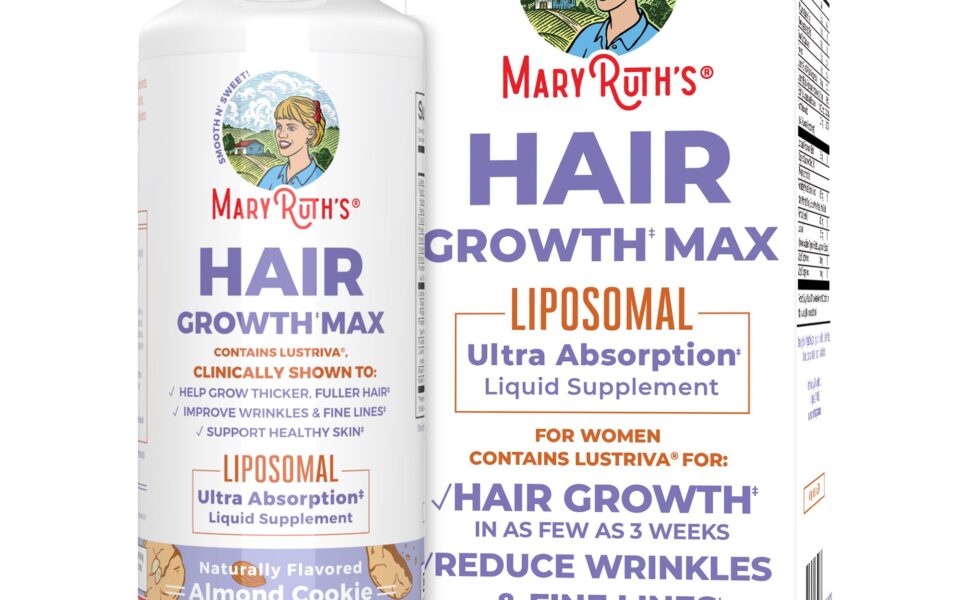
Proper preparation sets the foundation for an effective session. Begin with clean, dry hair to ensure the serum adheres correctly and the scalp is free of heavy styling residues [2]. Sit comfortably in a well-lit area or stand in front of a mirror so you can monitor your coverage and pressure levels [2]. Create a calm environment by dimming lights or playing soft music, as reduced stress lowers cortisol levels that can interfere with healthy hair cycles [3]. Before applying any topical treatment, gather your tools. You can perform the entire routine using just your fingertips, or incorporate a silicone scalp massager or soft-bristle brush to distribute pressure evenly [2]. If you are using a product like the Mary Ruth hair growth serum referenced in your search, apply a measured amount directly to targeted zones before beginning the massage sequence [2]. Verify the exact application instructions, ingredient list, and recommended usage frequency on the current manufacturer or retailer listing, as product formulations and packaging details can change without notice.
Core Technique: The Finger-Pad Glide & Tissue Movement
The core of enhancing serum absorption lies in executing the right motions with controlled pressure. Follow this structured approach to maximize circulation and product penetration. Place the pads of your fingers firmly against the scalp, ensuring your nails do not make contact with the skin to prevent micro-tears or irritation [4]. Apply light to moderate pressure—enough to feel resistance but never enough to cause discomfort [3]. Instead of rubbing the skin superficially like you would during shampooing, focus on gliding the entire scalp layer over the skull [6]. Move in small, deliberate circular motions, allowing the tissue to shift rather than merely sliding across the surface [6]. This specific movement pattern triggers the biological response linked to increased follicle thickness and improved topical absorption [6]. Work slowly from the front hairline toward the crown, dedicating approximately thirty seconds to each subsection [2]. Many practitioners emphasize starting at the front hairline and gently working in small circles across the entire scalp to ensure comprehensive stimulation [5].
Secondary Motions: Tapping, Kneading, and Targeted Pressure
Once you have completed the initial circular gliding pattern, address areas experiencing noticeable thinning or pattern baldness [3]. Hold the massager or maintain finger pressure on these specific zones for a few extra seconds to encourage localized blood vessel expansion [3]. Continue working systematically across the sides, temples, and the back of the head until you have covered one hundred percent of the scalp [2]. Inconsistent coverage leaves untreated regions where serum absorption remains limited and circulation gains are uneven [4]. After the primary gliding phase, transition to secondary techniques to further stimulate the subcutaneous tissue and relax tight muscles. Lightly tap the entire scalp using a rhythmic, drumming motion to awaken dormant follicles and reinforce circulation [1]. Follow this with a gentle kneading action, mimicking the way hands press and release dough, to help loosen fascial layers and promote deeper relaxation [4]. These complementary movements prepare the scalp architecture to receive and retain applied serums more effectively. Combining different massage techniques, such as circular motions, kneading, and tapping, provides more thorough scalp stimulation [3]. Some protocols also include gentle hair-pulling to boost circulation and improve scalp flexibility for optimal hair growth [1].
Timing, Duration, and Frequency Benchmarks
Consistency dictates long-term outcomes. Research and clinical practitioners recommend dedicating five to ten minutes per session to achieve measurable improvements in hair thickness and follicle vitality [1]. A widely referenced clinical benchmark suggests a four-minute minimum duration to trigger the necessary mechanical response for hair thickening and enhanced treatment absorption [6]. Regarding frequency, some guidelines recommend three to four sessions per week as a sustainable baseline, while other clinical references support daily practice to maintain elevated circulation and uninterrupted nutrient delivery [3]. To reconcile this difference, prioritize daily sessions if your schedule allows, as skipping too many days slows cumulative progress [1]. If daily practice proves difficult, commit to a strict three-to-four-times-weekly schedule without interruption. Whichever frequency you select, perform the massage immediately before applying your serum so the pre-stimulated blood flow improves topical effectiveness [6]. Experts also note that incorporating nourishing oils during this timeframe can help hydrate and nourish your scalp while maintaining the massage rhythm [3].
Integrating Serums and Carrier Oils
Combining mechanical stimulation with nourishing topicals amplifies the overall outcome. While your chosen serum provides targeted actives, certain carrier and essential oils can complement the massage process. Rosemary and peppermint oils are frequently highlighted for their ability to stimulate growth and match the efficacy profiles seen in clinical studies [1]. Jojoba, coconut, and argan oils provide hydration and reduce friction during manual manipulation, protecting the scalp barrier [3]. Tea tree oil offers antimicrobial properties that help manage dandruff, while lavender promotes relaxation [3]. If your regimen includes a specialized formula, apply it after the initial gliding phase so the warmed, circulated tissue can absorb the active compounds more efficiently [2]. Mix a few drops of essential oil into your serum only if the product label permits blending, and always patch-test new combinations to rule out sensitivity reactions. Verify current ingredient safety guidelines and recommended dilution ratios directly with the product manufacturer, as formulations evolve and regulatory standards update regularly. Experts confirm that when combined with scientifically formulated serums, scalp massages enhance the delivery of active ingredients, creating an optimal environment for hair growth [2].
Troubleshooting, Safety, and Product Verification
Several common mistakes can undermine the benefits of scalp massage. Using excessive pressure damages capillaries and causes inflammation rather than stimulating growth [3]. Scratching with fingernails introduces bacteria and compromises the skin barrier [4]. Over-massaging beyond the recommended ten-minute window can irritate the tissue, particularly when using rigid tools [3]. If you experience redness, itching, or discomfort, reduce pressure immediately and shorten the session duration until the scalp recovers. Another frequent error is treating the massage as a substitute for consistent topical application. Mechanical stimulation prepares the scalp, but it does not replace the need for targeted actives [6]. Conversely, applying serum without massage often results in poor absorption and wasted product [6]. Balance both elements by following the step-by-step protocol outlined above. If you are using prescription treatments alongside over-the-counter serums, consult a dermatologist to confirm safe sequencing and avoid ingredient interactions. While the mechanical techniques described here are universally applicable, individual product formulations require careful attention. Market offerings vary widely in concentration, base ingredients, and recommended application windows. For products marketed under names like Mary Ruth hair growth serum, check the official packaging or authorized retailer page for exact usage directions, storage requirements, and contraindications. Prices, stock levels, discount structures, shipping options, ratings, and package contents can change without advance notice, so always verify the current manufacturer or retailer listing before purchasing or committing to a routine. When in doubt, run a small patch test behind the ear or on the inner wrist twenty-four hours before full scalp application.
Conclusion
By mastering the finger-pad glide, maintaining consistent five-to-ten-minute daily sessions, and pairing mechanical stimulation with verified topical actives, you create a scientifically grounded routine that maximizes serum absorption and supports sustained follicle health. Stick to the protocol, track your progress over eight to twelve weeks, and adjust based on how your scalp responds. The synergy between proper manual technique and consistent product application represents the most reliable path to healthier, thicker hair.
Sources
https://theradome.com/blogs/blog/how-to-massage-scalp-for-hair-growth
https://kilgourmd.com/blogs/news/5-minutes-to-fuller-hair-the-power-of-scalp-massage
https://www.hairclub.com/blog/scalp-massage-for-hair-growth
https://www.velvetheadspa.com/how-does-a-scalp-massage-help-with-hair-growth
https://www.youtube.com/watch?v=VBtYV5CrdSY