Understanding Adolescent Hair Thinning and Nutritional Support
Hair thinning during adolescence often coincides with significant physiological shifts, including hormonal fluctuations, increased academic or social stress, changes in sleep patterns, and evolving dietary habits. When nutrient intake does not align with the body’s heightened demands, hair follicles may enter a resting phase prematurely, leading to noticeable shedding or reduced strand density. Modern nutritional science recognizes that maintaining optimal hair growth cycles requires a complex array of macro and micronutrients [4]. Targeted supplementation can help bridge dietary gaps that might otherwise impact hair quality, providing structural building blocks that support follicular function and scalp environment maintenance.
For teens navigating hair thinning, understanding whether a supplement addresses nutritional support versus underlying medical conditions is essential. While many over-the-counter options make broad wellness claims, evaluating ingredient transparency, age-appropriate dosing, and verified formulations helps separate marketing language from functional nutritional support.
How Mary Ruth’s Hair Growth Formulas Are Designed for Teens
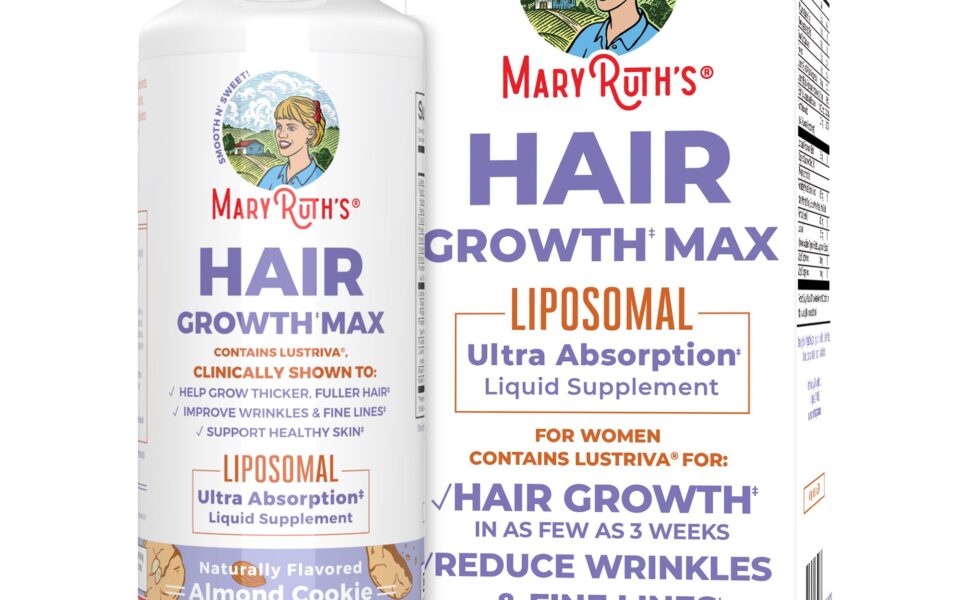
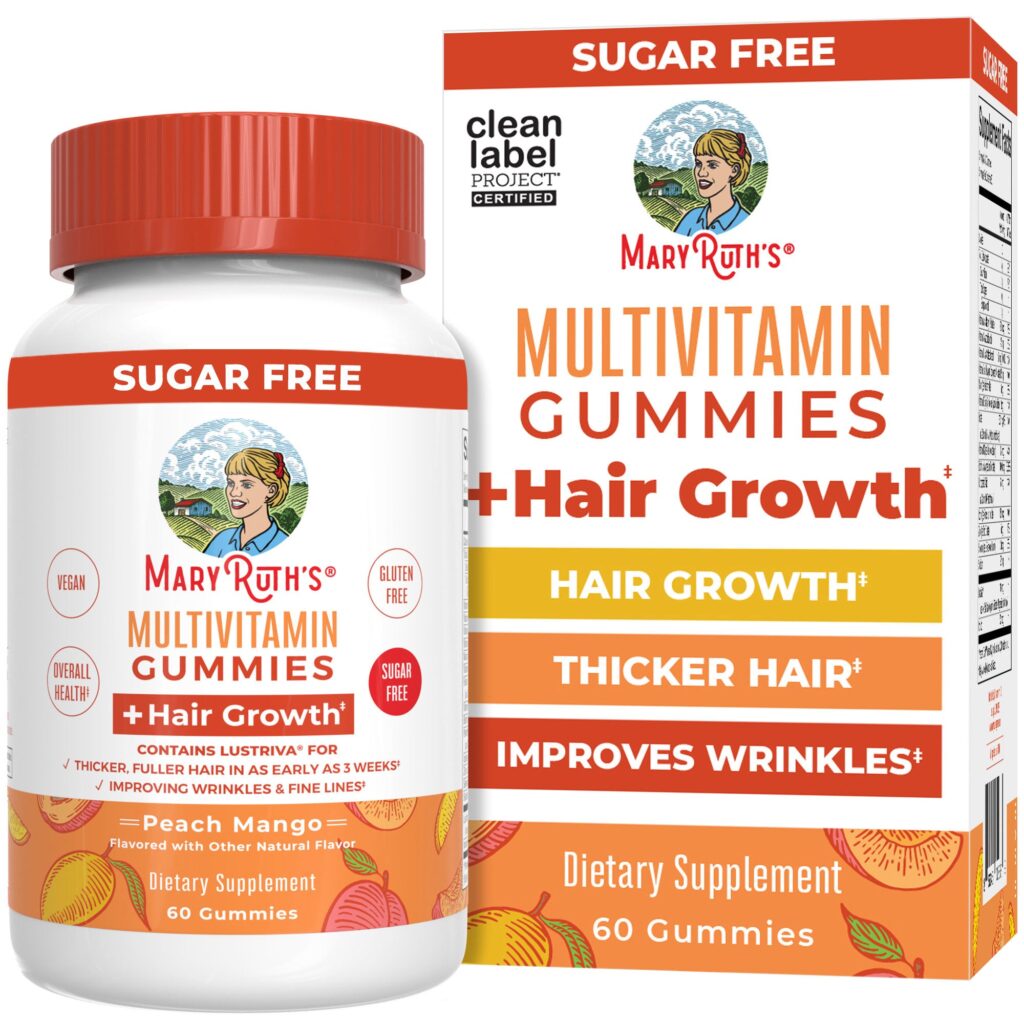
Mary Ruth Organics markets its Multivitamin + Hair Growth line toward individuals seeking beauty-from-within wellness, with official product categorization explicitly listing ages 14 and up under the teen designation [6]. The brand offers two primary delivery formats: chewable gummies and liquid concentrates [2][6]. Both formats are positioned as vegan alternatives that exclude gelatin and rely on plant-derived and synthetic vitamins to support hair, skin, and nail health [1][6].
The formulation strategy centers on combining foundational multivitamins with specialized botanical and patented compounds. Rather than relying on isolated high-dose nutrients, the products blend broad-spectrum vitamins, minerals, and amino acids intended to work synergistically. This approach aligns with dermatological principles that view hair health as a reflection of systemic nutrition, scalp circulation, and protein synthesis capacity.
Key Ingredients and Their Roles in Hair Health
The ingredient profile includes several components with established roles in hair biology:
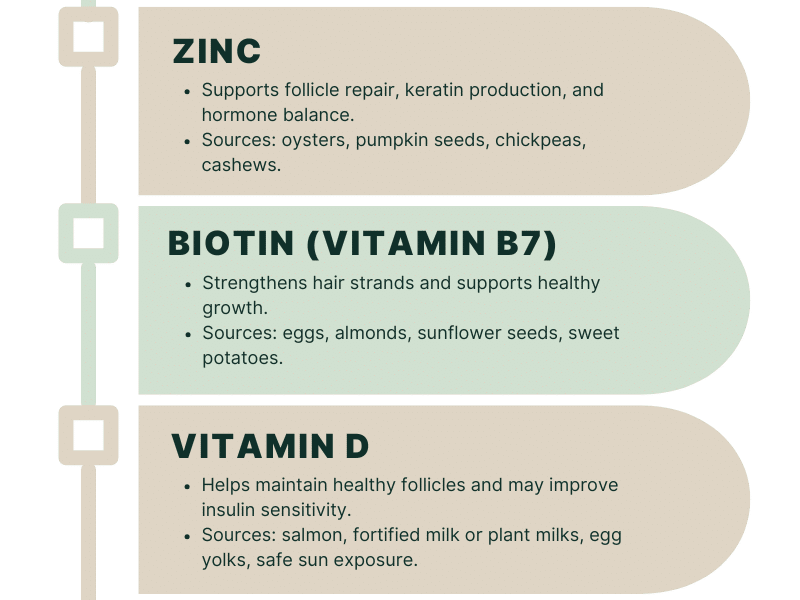
– Biotin (Vitamin B7): Delivered as 10,000 mcg magnesium biotinate, this form of biotin is highlighted for its solubility profile. Biotin enhances keratin infrastructure, which serves as the primary protein structure of hair strands. Adequate biotin levels support keratin production, helping reinforce hair structure and reduce breakage [3][4].
– Vitamins A, C, and E: Vitamin A supports sebum production, keeping the scalp hydrated and preventing dryness [1]. Vitamin C aids in collagen synthesis, a protein essential for hair strength and reducing mechanical breakage [1]. Vitamin E provides antioxidant properties that protect hair follicles from oxidative damage and promote blood circulation to the scalp, fostering a healthier growth environment [1].
– Folate, Iron, Zinc, and Selenium: Folate (as calcium L-5-methyltetrahydrofolate) supports cellular division and energy metabolism [6]. Iron and zinc represent crucial minerals for hair tissue growth and repair, while selenium contributes to nail health and overall metabolic function [4].
– Collagen Peptides and Omega-3 Fatty Acids: Collagen supplies amino acids necessary for hair protein synthesis, helping maintain elasticity as natural production declines with age [4]. Omega-3 elements support scalp hydration, reduce inflammation, and help lock moisture into strands for smoother appearance [3].
– Vitamin D3 and Iodine: Vitamin D3 supports bone health, muscle function, and mood regulation, while iodine supports normal thyroid function and cognitive activity [6]. Thyroid balance is particularly relevant for adolescents, as thyroid imbalances can directly influence hair cycling.
Gummy vs. Liquid Delivery Systems
Choosing between formats often depends on preference, digestive sensitivity, and absorption goals. The gummies come in a peach mango flavor and provide a convenient, portable option for daily routines [6]. The liquid variant utilizes liposomal technology, a delivery method the brand emphasizes for improved nutrient bioavailability compared to traditional capsule or tablet forms [5]. Liposomal encapsulation aims to protect sensitive compounds through digestion and enhance cellular uptake, which may benefit individuals who struggle with pill swallowing or experience mild digestive discomfort with concentrated powders [4][5].
Clinical Evidence and What the Research Shows
A central component of the Mary Ruth’s hair growth lineup is Lustriva®, a trademarked ingredient included in both gummy and liquid formats [5][6]. Published survey data indicates that among women using Lustriva-containing products, 92% reported improved overall hair volume, 82% reported improved hair thickness, and 75% reported improved hair shine [5]. Additional surveys noted improvements in nail strength, nail growth rate, skin smoothness, and overall skin health [5].
It is important to contextualize these findings within the study parameters. The clinical research on Lustriva® was conducted solely in women [6]. Furthermore, the product labeling explicitly states that while the research focuses on female demographics, the products may be used by men, though male-pattern hair loss falls outside the scope of dietary supplement claims and requires professional medical evaluation [6].\n
Reconciliation for Teen Usage: Because the clinical data for Lustriva® was collected exclusively from adult women, while the packaging designates suitability for ages 14 and up, there is a documented demographic gap in the published research. Adolescents experience different hormonal baselines and follicular maturation timelines compared to adults. To reconcile this difference, teens and parents should view the published improvement percentages as reference data for mature hair follicles rather than guaranteed adolescent outcomes. Before incorporating the supplement into a teen’s routine, verify current labeling instructions and consult a pediatrician or dermatologist to ensure the formulation aligns with the individual’s developmental stage and nutritional baseline.
Practical Considerations for Teen Users
Supplementation should complement, not replace, foundational hair care practices. Several practical factors warrant attention when evaluating this product line for adolescent use:
– Cause Identification: Hair thinning stems from multiple triggers, including nutritional deficits, stress, medication side effects, autoimmune conditions, and genetic predispositions [6]. Supplements address nutritional support but do not treat medical conditions like androgenic alopecia [6]. Persistent or sudden shedding warrants professional evaluation.
– Toxin and Heavy Metal Screening: The brand emphasizes screening for harmful toxins, plastics, and heavy metals, addressing a concern that environmental contaminants can negatively impact hair and skin health [5]. Third-party verification methods and batch testing protocols should be confirmed directly with the manufacturer before purchase.
– Scalp and Strand Care Integration: Topical oil blends containing castor oil and coconut oil are marketed alongside oral supplements [1]. Castor oil contains ricinoleic acid, which may help combat dryness, while coconut oil penetrates the hair shaft to reduce protein loss [1]. These topical additions create a nourishing environment but should be applied consistently and washed out regularly to prevent buildup.
Age Appropriateness and Dosage Guidelines
The product category explicitly marks suitability for ages 14 and up [6]. Dosage should strictly follow the manufacturer’s recommended serving size printed on the label. The gummies deliver 10,000 mcg of biotin per serving, which exceeds typical dietary reference intakes but remains within common supplemental ranges for targeted hair support [6]. Teens should start with the labeled dose rather than increasing frequency to accelerate results, as excessive intake of fat-soluble vitamins or high-dose biotin can disrupt nutrient balance. Consistency matters more than volume; hair growth cycles typically require 8 to 12 weeks of continuous use before visible changes emerge.
Safety, Screening, and Professional Consultation
While the formula is vegan and free of gelatin [1][6], individual sensitivities to botanical extracts, natural flavors, or sugar alcohols (common in gummy matrices) can occur. Parents and teens should review the full ingredient panel for known allergens before beginning use. Additionally, because nutritional needs vary widely during puberty, a healthcare provider can help determine whether supplementation is necessary or if dietary adjustments alone would suffice. Blood work may identify specific deficiencies in iron, vitamin D, or thyroid markers that directly influence hair health, allowing for targeted intervention rather than broad supplementation.
Making an Informed Choice: Verification Steps and Balanced Recommendations
Selecting a hair growth supplement requires careful verification, especially when marketing claims outpace peer-reviewed adolescent data. Follow these concrete steps before purchasing:
1. Verify Current Retailer Listings: Retail pricing, bundle availability, shipping thresholds, and package contents shift frequently across online marketplaces and direct retailer sites. Confirm the exact SKU, serving size, and ingredient panel on the current manufacturer or authorized retailer listing before completing a purchase.
2. Cross-Reference Age Designations: Ensure the product box or digital listing explicitly states suitability for ages 14+. If the packaging lacks clear age guidance, contact customer support for written confirmation before use.
3. Check Third-Party Testing Documentation: Request recent certificates of analysis (COAs) for heavy metals, microbial limits, and potency verification. Independent lab reports provide objective proof of manufacturing standards beyond brand assertions.
4. Align with Healthcare Guidance: Share the ingredient list with a pediatrician, family physician, or dermatologist. They can evaluate whether the biotin, iron, and vitamin levels match the teen’s dietary intake and medical history.
5. Set Realistic Expectations: Hair growth is a slow biological process. Even with optimal nutrition, visible thickening or reduced shedding typically requires 2 to 3 months of consistent use [5][6]. Pair supplementation with gentle brushing, minimal heat styling, adequate protein intake, and stress management for compounded benefits.
Mary Ruth’s Multivitamin + Hair Growth formulas offer a structured, ingredient-forward approach to supporting adolescent hair health. By focusing on keratin-building nutrients, antioxidant protection, and lipid-based scalp nourishment, the products address common nutritional gaps that contribute to thinning. However, because clinical validation centers on adult female demographics and adolescent physiology involves distinct developmental variables, responsible usage requires label verification, professional consultation, and patience. When integrated thoughtfully into a broader wellness routine, these supplements can serve as one component of a comprehensive strategy for healthier, stronger hair during the teenage years.
Sources
[1] https://differencebetweenshoes.com/mary-ruths-hair-growth-does-it-work\n[2] https://www.amazon.com/mary-ruth-hair-growth-vitamins/s?k=mary+ruth+hair+growth+vitamins\n[3] https://hairenchanting.com/mary-ruth-hair-growth-ingredients\n[4] https://www.doctronic.ai/blog/mary-ruth-hair-growth\n[5] https://www.forbes.com/sites/yolarobert1/2024/01/11/maryruths-1-billion-solution-to-thinning-hair-and-aging-skin\n[6] https://www.maryruthorganics.com/products/multivitamin-hair-growth-gummies