In this guide
Fine Hair: The Less Is More Guide to Volume & Weightless Health

Key Takeaways: Fine Hair Care at a Glance
- Fine hair refers to the small diameter of each strand — it’s about texture, not how many hairs you have (that’s density).
- Less is more: Fewer lightweight products reduce buildup and prevent the limp, greasy look that overloaded fine strands develop.
- Blunt cuts — especially chin-length or shoulder-length bobs — create the illusion of thicker, fuller hair by preserving a solid perimeter.
- Focus on the roots: Apply volumizing mousse or spray only at the crown, blow-dry upside down, and finish with a cool shot to lock in lift.
- Scalp health is foundational — gentle exfoliation and regular massage support stronger, more resilient new growth over time.
- Heat styling should use the lowest effective temperature setting; always use a lightweight thermal protectant and avoid direct heat on soaking-wet hair.
Defining Fine Hair: Strand Diameter vs. Density
Before diving into solutions, it’s essential to understand what “fine hair” actually means. The term refers to the diameter of each individual strand. A fine strand is simply smaller in circumference than a medium or coarse strand; you could hold a single fine hair between your fingers and barely feel it. This is entirely about texture, not about how much hair is on your head.
Hair density, on the other hand, describes the number of follicles per square inch — how closely strands are packed together. It’s entirely possible to have a head of fine hair that is also very dense (lots of wispy strands creating surprising fullness), or coarse hair that is thin (low density). Many people confuse the two, leading to product choices meant for thinning hair when their real issue is a lightweight texture that needs careful handling. Recognizing that you have fine strands, regardless of density, is the first step toward a routine that works. For a deeper look at how density shapes your styling choices, see Part 16 of this series.
The Unique Challenges of Fine Hair
Fine hair behaves differently from other textures because its small diameter gives it less structural protein mass per strand. This means it’s more easily overwhelmed by moisture, oils, and product residue. Sebum from the scalp travels down the shaft more rapidly, so fine hair often looks oily at the roots within a day — or even hours — after washing. At the same time, the ends can become dry and fragile because the natural oils don’t always distribute evenly.
Limpness is a constant complaint. Without the inherent rigidity of a thicker cuticle, fine strands lack natural lift. They flatten against the scalp, especially under the weight of creamy conditioners, hair masks, or heavy silicones. Tangling is another frequent frustration: because fine hairs are so lightweight, they easily lock around each other — a tiny knot can feel like a major snarl. All of these traits call for a delicate balance: enough moisture to prevent breakage, but nothing that adds coating weight.
The Less Is More Philosophy: Why Minimalism Wins
A minimalist hair routine doesn’t mean neglecting your hair. It means choosing fewer products and simpler techniques that prevent buildup, respect the strand’s natural limits, and focus on the roots — the source of volume. For fine hair, this approach is more than a trend; it’s a way to break the cycle of compensating for flatness by piling on mousses, powders, and sprays that eventually cause more collapse.
When you slash the number of leave-in products, you automatically reduce the residue that makes strands sticky and heavy. Lightweight, multi-tasking formulas — like a volumizing spray that also detangles and heat-protects — let you achieve lift with a single step instead of three. The goal is to give hair exactly what it needs without overwhelming its delicate structure. By respecting the hair’s natural lightness, you can amplify it rather than mask it.
Best Haircuts and Styles to Create Natural Volume
The right cut does half the work for you. Here are the top haircuts recommended for fine hair volume:
- Chin-length blunt bob: Creates a solid, uncompromised edge that makes fine hair appear denser and fuller at the perimeter.
- Shoulder-grazing lob (long bob): Offers length without the stringy appearance that can come when fine hair grows too long for its own strength.
- Long layers concentrated around the face: Builds body and movement without thinning out the ends — avoid aggressive layering that wisp the bottom away.
- Curtain bangs or wispy fringe: Adds the effect of fullness at the crown and frames the face without requiring teasing or backcombing.
Whatever you choose, remember that weight at the ends pulls the root flat, so removing bulk there supports lasting lift. Steer clear of razored cuts or heavy thinning shears — those techniques only make fine hair look even finer at the bottom.

Wash Routine and Product Selection: Lightweight Formulas and Clarifying
Fine hair often benefits from more frequent washing than coarser types because oil shows up quickly. The key is to use a gentle, sulfate-free volumizing shampoo that cleanses without stripping. Look for:
- Clear, gel-based shampoos rather than creamy ones — they tend to leave less residue on fine strands.
- Panthenol (provitamin B5), rice protein, and hydrolyzed wheat protein — ingredients that can add temporary thickness and strength without weight.
- Mild surfactants that keep the scalp balanced and avoid triggering excess sebum production.
Conditioner should be applied exclusively from the mid-lengths to ends, never near the roots. Choose a light, rinse-out formula and skip heavy masks except for occasional use on the very tips. Once every week or two, incorporate a clarifying shampoo to dissolve stubborn buildup from styling products and hard water minerals. This reset prevents the gradual film that can make hair stringy and lifeless. After clarifying, a lightweight conditioner on the ends is usually all you need.
Volumizing Techniques: Blow-Drying, Root Lift, and Strategic Product Use
How you dry your hair matters more than how many products you apply. The single most effective technique for fine hair is blow-drying upside down:
- Flip your head over and direct the airflow from roots to ends, using your fingers to lift sections away from the scalp.
- Once the roots are about 80% dry, flip back and finish with a round brush, rolling sections up and away to lock in lift.
- Use the cool-shot button at the end to help set that shape and seal the cuticle.
Product placement is just as crucial as technique:
- Root-lifting mousse or spray: Apply only at the crown and along the parting before drying — never on the ends.
- Dry shampoo for fine hair: Apply a lightweight formula to clean roots immediately after your last blow-dry to absorb oil preemptively, rather than waiting until the hair is already flat.
- Texturizing spray: One or two spritzes on mid-lengths can add piecey separation; more than that risks buildup.
Heat Styling Do’s and Don’ts for Fine Hair
Fine hair is especially vulnerable to heat damage because each strand has less protective protein to lose. Curling wands, flat irons, and even daily blow-dryer use on high settings can lead to split ends, brittleness, and breakage that make the hair appear even thinner. Many stylists recommend keeping tools at the lowest effective temperature — often around 300°F (150°C) or lower for fine hair types — and always using a lightweight thermal protectant spray rather than a heavy serum. Because safe heat thresholds vary by tool and hair condition, testing a lower setting first and monitoring how your hair responds is a wise practice.
Let hair air-dry partially before blow-drying to reduce total heat exposure. Applying direct high heat to soaking-wet strands can be particularly damaging; moisture trapped inside the hair shaft may rapidly expand and create weak points along the fiber — a phenomenon some experts refer to as “bubble hair.” When using a curling iron, opt for a larger barrel and hold for just a few seconds; tight, prolonged curls put excessive stress on fine strands. Aim to restrict high-heat styling to a couple of times per week, and on other days, embrace air-dried texture with a light sea-salt spray for a tousled look.

Nutrition, Supplements, and Scalp Care for Fine Hair
No topical product alone can strengthen hair from the outside; the foundation is built internally. Since hair is primarily made of the protein keratin, adequate dietary protein is essential. Iron, zinc, and omega-3 fatty acids also support the follicle environment. While biotin is widely marketed for hair health, it works best in the context of an overall nutrient-rich diet; taking supplements without addressing possible deficiencies won’t transform fine hair into coarse hair, but it can improve the strength and resilience of the strands you have.
Scalp health is directly tied to the quality of new growth — a principle that forms the core of any effective fine hair care routine. Build-up from dead skin cells, styling products, and excess sebum can clog follicles and potentially disrupt the hair cycle. Incorporate these habits weekly:
- Gentle scalp exfoliation using a soft brush or a very mild scalp scrub to clear debris without irritation.
- Regular scalp massage — during shampooing or with dry hands — to stimulate blood flow. This costs nothing and can make a visible difference in root vitality over time.
Common Myths and Mistakes to Avoid
Myths
- “Frequent trims make hair grow faster.” Trimming doesn’t influence the follicle growth rate, but it does prevent split ends from traveling up the shaft and causing breakage. For fine hair, this means retaining more length over time, so regular maintenance trims are still valuable for a healthier appearance.
- “Brushing hair 100 strokes a day makes it healthier.” Over-brushing fine hair can snap strands and irritate the scalp. Use a wide-tooth comb or a brush with flexible, rounded bristles, and detangle gently, starting from the ends and working upward.
Common Mistakes
- Applying conditioner or oils to the scalp — this weighs down roots and accelerates the greasy look.
- Using heavy waxes, butters, or creamy leave-ins that suffocate fine strands and cause buildup.
- Pulling hair into tight ponytails or buns daily — this can lead to traction-related hair loss over time.
- Layering multiple styling products — this nearly always backfires on fine hair by causing more collapse than lift.
- Over-washing with harsh, sulfate-heavy shampoos — stripping natural oils triggers the scalp to overproduce sebum, creating a cycle of greasiness and frequent washing.
Frequently Asked Questions
What is the difference between fine hair and thin hair?
Fine hair refers to the circumference of individual strands — each strand is small and delicate. Thin hair describes low follicle density, meaning fewer hairs grow per square inch. You can have fine hair that is surprisingly dense, or coarse hair that is thinning. Understanding this distinction is key to choosing the right products and styling approach.
Which haircuts work best for fine hair?
Blunt cuts at chin or shoulder length, soft long layers that don’t thin out the ends, and styles that remove weight from the bottom while preserving density at the perimeter all help create the illusion of thickness. A chin-length bob with a blunt edge remains a classic and highly effective choice among the best haircuts for fine hair.
How can I add volume to fine hair without weighing it down?
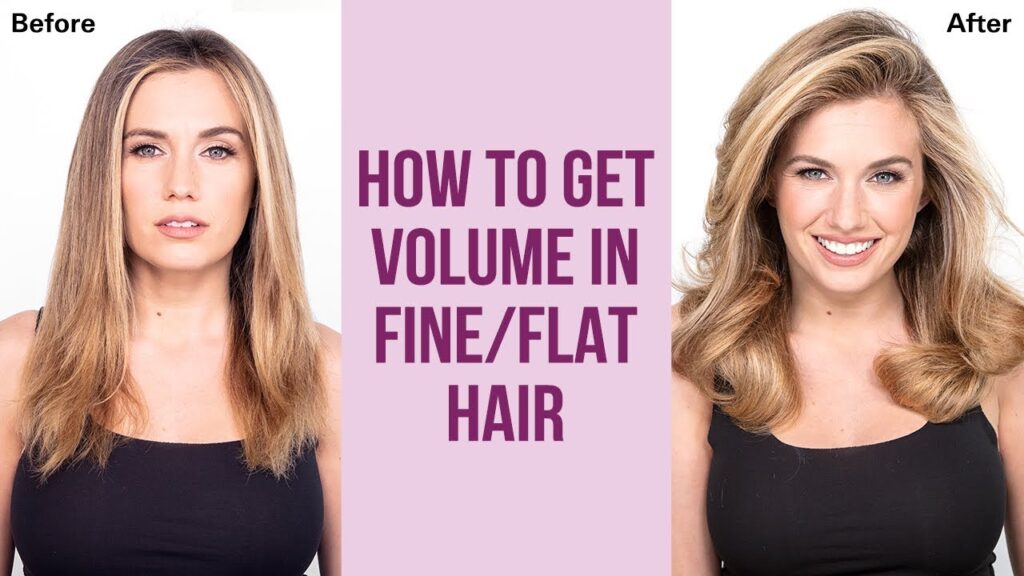
Focus on root lift rather than coating strands. Use a lightweight volumizing mousse or spray on damp roots only, blow-dry upside down until nearly dry, then finish with a round brush. A light texturizing spray on mid-lengths and clean dry shampoo at the roots between washes can maintain body. Always avoid applying heavy products anywhere near the scalp, and embrace lightweight hair products for fine hair that prioritize lift over moisture.
What are the best shampoos and conditioners for fine hair?
Opt for clear, sulfate-free volumizing shampoos with ingredients like panthenol and rice protein. A good volumizing shampoo for fine hair will cleanse effectively without leaving residue. Condition only from mid-shaft to ends with a lightweight, rinse-out formula; avoid heavy creams or masks on the scalp. A weekly clarifying shampoo helps prevent buildup without daily stripping.
Can fine hair be thickened permanently?
No, the diameter of each strand is largely determined by genetics and cannot be permanently altered. However, you can significantly improve the appearance of fullness through proper care, a healthy scalp, protection against breakage, and strategic cutting — allowing hair to achieve its maximum potential thickness and length.
What styling products should I avoid with fine hair?
Heavy oils, rich butters (shea, coconut oil), thick waxes, and creamy leave-in conditioners can quickly accumulate on fine strands, making hair look limp and greasy. Choose sprays, lightweight foams, and water-based products instead. Avoid “repairing” creams that are not specifically formulated for fine hair texture.
How do diet and scalp care affect fine hair?
A diet that includes sufficient protein, iron, zinc, and omega-3 fatty acids supports keratin production and overall scalp health. Deficiencies can weaken hair, making it more prone to breakage, which exacerbates the appearance of thinness. Biotin may help if a true deficiency exists, but it is not a stand-alone solution for increasing strand diameter. Consistent, gentle scalp care — including exfoliation and massage — helps maintain an optimal environment for new growth.
What are common mistakes people with fine hair make?
Over-washing with harsh shampoos, applying conditioner to roots, using too many styling products at once, skipping heat protectant, and tying hair tightly every day are among the most frequent mistakes. These habits often strip moisture, cause buildup, or lead to mechanical damage and breakage, all of which make fine hair appear more limp and sparse. Adopting a less-is-more philosophy and a consistent fine hair care routine helps avoid these pitfalls.
Conclusion: Embracing Your Fine Hair
Fine hair has its own delicate beauty, and the less-is-more approach lets that beauty stand out. When you stop overloading strands with heavy formulas, you create the space for natural body to emerge. A great cut, a streamlined wash routine with lightweight products, smart blow-drying for root lift, and gentle care of your scalp form a foundation that needs very little daily maintenance.
Embrace the clarity of a simple ritual: clarify occasionally, lift at the root, protect with heat-safe products when styling, and let your fine hair be what it is — soft, touchable, and full of natural, weightless volume. The goal isn’t to turn fine hair into something it’s not, but to let it live up to its healthiest, airiest potential. For those whose fine hair is also color-treated, Part 18 of this series offers targeted guidance on maintaining vibrancy without sacrificing volume.