In this guide
Fine Hair Myths Debunked: A Lasting Volume Routine (Part 16)
If you have fine hair, you’ve likely heard it all: wash it every day, never condition your roots, use this miracle thickening product, and whatever you do, don’t grow it long. The sheer volume of contradictory advice can be exhausting. This article — Part 16 in our ongoing fine hair series — takes a different approach. Building on what we explored in Part 15 on product layering, we’re not here to sell you a dream in a bottle. Instead, we’ll clarify what fine hair actually is, separate it from the often-conflated issues of thinning and low density, and walk through a practical, sustainable routine that prioritizes hair health over quick fixes. You’ll learn why some of the most persistent myths refuse to die, what actually works, and how to build habits that give you lasting, believable volume without damaging fragile strands.

Fine vs. Thin vs. Thinning: What’s the Difference?
One of the most common sources of confusion in hair care is the interchangeable use of the words fine, thin, and thinning. These terms describe three distinct realities, and treating them as synonyms leads to mismatched product choices and unrealistic expectations.
Fine hair refers to the diameter of each individual strand. A fine hair strand has a smaller circumference than an average or coarse strand. This is a genetic trait — you’re born with it, and it’s determined by the shape and size of your hair follicles. Thin hair (more accurately called low-density hair) refers to the number of hair follicles per square inch on your scalp. You can have fine hair but high density, meaning many fine strands packed closely together, which can actually look quite full. Thinning hair, on the other hand, describes a change over time — a reduction in density due to factors like hormonal shifts, stress, nutritional deficiencies, or medical conditions. Thinning is a process, not a static trait.
Why does this distinction matter? Because a person with fine-but-dense hair needs very different products than someone with fine-and-low-density hair. Someone experiencing active thinning may need to consult a dermatologist rather than simply switching shampoos. Knowing exactly what you’re dealing with is the foundation of effective care. For more on identifying your hair type, see our complete fine hair care guide.
The Science Behind Fine Hair: Genetics, Porosity, and Why It Needs Special Care
Fine hair isn’t a flaw — it’s a natural variation, just like eye color. The diameter of your hair strands is determined by genetics and the structural proteins produced within the follicle. Each strand has three layers: the outer cuticle, the cortex (where protein and pigment live), and sometimes a medulla. In fine hair, the cortex is proportionally smaller, meaning there’s less protein mass per strand. This makes fine hair inherently more susceptible to breakage, chemical damage, and environmental stress.
Another factor at play is porosity. Fine hair may have a more compact cuticle layer in some cases, which can contribute to lower porosity, though porosity varies widely based on damage, chemical processing, and genetics. Low-porosity hair resists moisture absorption initially but, once water penetrates, can hold onto it. This also means that heavy oils and large-molecule silicones tend to sit on top of fine hair rather than absorbing, creating that familiar flat, coated feeling. Understanding your porosity helps you choose products that won’t suffocate your strands.
A crucial reality check: you cannot permanently increase the diameter of your hair follicles. No shampoo, supplement, or treatment can change your genetic blueprint. What you can do is optimize the health of your scalp and the condition of the hair that grows from it, minimize breakage so strands reach their full potential length, and use temporary thickening agents that swell the hair shaft or add grip and texture. Accepting this biological limit is paradoxically freeing — it shifts your focus from chasing impossible transformation to mastering the art of working with what you have.
Daily Care Mistakes That Sabotage Volume
Before introducing new products or techniques, it’s worth examining the everyday habits that quietly undermine volume. Many people with fine hair are doing things they believe are helpful that actually work against them.
- Over-conditioning the roots. Applying conditioner anywhere near the scalp is the single fastest way to kill volume. Conditioner is designed to smooth and weigh down the cuticle; at the roots, that translates directly to flatness.
- Using the wrong brush. Aggressive brushing with stiff bristles can snap fine strands. Even worse, brushing wet hair with a fine-tooth comb stretches fragile hair to its breaking point. A flexible-bristle brush or wide-tooth comb used gently from ends to roots is far safer.
- Skipping heat protectant to “avoid product buildup.” Fine hair is especially vulnerable to heat damage. Skipping protection to keep hair lightweight trades long-term health for one extra hour of volume.
- Washing either too often or not enough. Daily washing can strip the scalp’s natural oils, triggering overproduction of sebum in a vicious cycle. Going too long between washes, however, allows oil buildup to travel down the hair shaft, making strands clump together and look stringy.
Building a Lightweight, Volume-Boosting Routine
A sustainable routine for fine hair rests on four pillars: gentle cleansing, strategic conditioning, minimal but smart leave-in products, and consistent protection. The goal is not to add layers of product but to select a few that do their job without residue.
Step 1: Choose a Volumizing Shampoo Wisely
Look for shampoos labeled “volumizing” or “clarifying” that contain lightweight surfactants. Ingredients like panthenol (pro-vitamin B5) can temporarily coat the hair shaft and add thickness without heaviness. Avoid shampoos that are overly creamy or that market “intense moisture” — these tend to leave conditioning residues that fine hair doesn’t need. If you have hard water, a chelating or clarifying shampoo used once every week or two can remove mineral buildup that clings to fine strands and causes dullness.
Step 2: Condition Only from Mid-Lengths to Ends
Select a lightweight, water-soluble conditioner. Apply a pea-sized amount — no more — and distribute it from about ear-level downward. This keeps the roots clean and lifted while protecting the older, more fragile ends.
Step 3: Use One Lightweight Styling Product
For most people with fine hair, a single leave-in product is sufficient. A spray-on heat protectant that also offers light detangling or a mousse applied only to the roots can provide hold without stickiness. Creams, serums, and oils are generally too heavy and should be reserved for the very ends if needed.
How to Wash and Condition Fine Hair for Maximum Fullness
Technique matters as much as product choice. Small adjustments to how you wash and condition can yield noticeable improvements in body and bounce.
Double-cleansing can be a game-changer. The first wash removes surface oil, product residue, and environmental debris. The second wash — using about half the amount of shampoo — actually cleans the scalp more thoroughly. This is particularly helpful if you wash every other day and have noticed buildup. Massage gently with fingertips, not nails, using circular motions to stimulate blood flow without abrading the skin. A scalp exfoliation with a gentle chemical exfoliant or a soft silicone scalp brush once every week or two can also help clear follicle openings of dead skin and excess oil, creating a healthier environment for growth.
Conditioner placement deserves its own rule: start at the nape of the neck and work outward and downward. If your ends are dry but your roots get oily within a day, reverse your usual order — condition the ends first, then shampoo, letting the rinse water carry trace amounts of conditioner downward without depositing it on the scalp.
Cool rinsing at the end of your shower can help smooth the outer surface of the hair, which may reduce frizz and add temporary shine. While it won’t permanently alter the hair’s structure, the cooler water can encourage strands to lie flatter against one another, making fine hair appear sleeker and less frazzled.
On non-wash days, dry shampoo can be a useful tool, but it’s best used sparingly. Spray it lightly at the roots from a distance, let it sit for a minute to absorb oil, then massage or brush it through. Avoid heavy, starch-heavy formulas that leave a visible residue; translucent or volumizing dry shampoos designed for fine hair tend to work best. Over-reliance on dry shampoo can lead to scalp buildup, so limit use to one or two days between washes.
Heat Styling Without the Damage: Blow-Drying, Tools, and Protectants
Heat styling is a double-edged sword for fine hair. It provides the most reliable volume, yet fine strands are the least equipped to handle high temperatures. The solution is not to abandon heat entirely but to use it strategically.
Blow-drying technique: Flip your head upside down and use a concentrator nozzle to direct airflow down the hair shaft, from root to tip. This smoothes the cuticle while lifting roots. Focus the heat on the roots first — they need the most lift and dry slowest. Keep the dryer on medium heat and finish with a cool shot to set the style.
Tool selection: A round brush with boar-and-nylon mixed bristles provides grip for fine hair without pulling. The barrel size should be relatively small if you want more curl and movement, or larger for a smooth, bouncy finish. Ceramic and tourmaline tools distribute heat more evenly, reducing the risk of hot spots that can scorch fine strands.
Heat protectants: Use a lightweight spray, never a heavy cream or oil-based serum. Apply generously to damp hair before blow-drying and allow it to distribute evenly across the strands for a few seconds before introducing heat. Some volumizing heat protectants contain polymers that add grip and texture simultaneously, giving you a styling boost alongside thermal protection.
The Best Haircuts and Hairstyles to Fake Thickness
A strategic cut can create the illusion of density without any product at all. The key principles: blunt lines, minimal layering, and careful length management.
Blunt cuts — where the ends are all one length — maximize the appearance of thickness because light doesn’t pass through uneven ends. Wispy, heavily layered cuts, by contrast, remove too much weight and can make fine hair look sparse at the ends.
Long bobs (lobs) and shoulder-length cuts are often the sweet spot. Hair that’s too long gets weighed down by its own length, while super-short pixie cuts can work beautifully for fine hair if the density is adequate. If you love longer hair, ask your stylist for long layers only around the face to create movement without sacrificing the blunt perimeter.
For updos and everyday styles, high ponytails with a little backcombing at the crown add height. Loose braids and twists create texture that makes hair look thicker than it is. Protective styles like soft chignons, low buns with silk scrunchies, or loosely pinned twists can shield fragile ends from environmental friction on high-wind or high-humidity days. Avoid slicked-back styles that reveal the scalp and emphasize flatness. If static electricity becomes a problem — common with fine hair in dry environments — a very light mist of water-based leave-in spray or running a dryer sheet gently over the surface can offer temporary relief without heavy product.
Nutrition, Supplements, and Lifestyle Changes That Support Hair Health
Hair is non-essential tissue, meaning the body prioritizes other functions over hair growth when resources are scarce. While no food will change your genetic hair diameter, nutritional deficiencies can make fine hair even more fragile and prone to shedding.
Iron, vitamin D, zinc, and adequate protein intake are well-documented factors in hair health. Biotin, often marketed as a hair-growth miracle, plays a role in keratin production, but deficiency is rare in people eating a varied diet. Supplementing without a confirmed deficiency offers limited benefit. It’s also worth noting that high-dose biotin supplementation has been reported in some cases to interfere with certain lab test results, including thyroid panels, so it’s wise to inform your healthcare provider if you’re taking biotin before undergoing blood work.
The most realistic dietary advice for someone with fine hair: eat enough calories and protein, include iron-rich foods (especially for menstruating women), and address any persistent fatigue or hair texture changes with a healthcare provider rather than self-prescribing supplements. Lifestyle factors like stress management and sleep quality also influence the hair growth cycle, as prolonged stress can push more follicles into the shedding phase simultaneously.
Protection Strategies: Pillowcases, Hair Ties, and Seasonal Care
The fragility of fine hair means protective habits have an outsized impact. Small changes compound over months and years.
Silk or satin pillowcases reduce friction. Cotton absorbs moisture and creates drag, which can rough up the cuticle and cause tangles overnight. A smooth surface allows fine hair to glide rather than snap.
Hair ties should be snag-free — spiral phone-cord elastics, soft scrunchies, or silk-wrapped bands are kinder than traditional elastic bands with metal fasteners. Avoid tight styles that pull on the hairline, which can lead to traction breakage over time.
Seasonal adjustments matter more than many realize. In high humidity, fine hair can absorb moisture and swell, turning volume into frizz. Lightweight anti-humidity sprays help. In winter, indoor heating and cold outdoor air strip moisture, making fine ends brittle. A small amount of a water-based leave-in mist on ends can help, but avoid heavier creams that will migrate to roots.
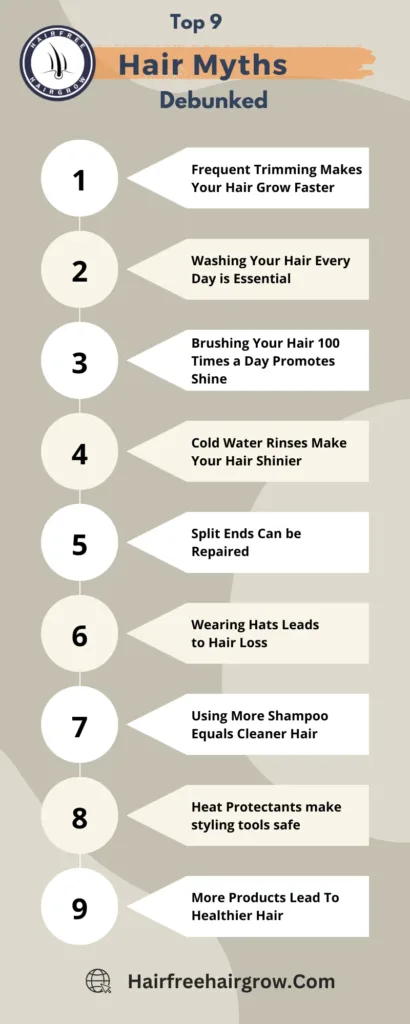
Debunking 5 Persistent Fine Hair Myths
Some myths simply won’t fade from popular consciousness. Here’s a direct look at five of the most stubborn, with the reality behind each.
Myth 1: Fine Hair Needs Daily Washing
Reality: Fine hair shows oil faster than coarse hair because sebum travels down a smaller-diameter strand more visibly. But daily washing can strip the scalp’s natural moisture barrier, potentially leading to an overproduction of oil as the skin tries to compensate. Most people with fine hair do well washing every other day or every two days, using dry shampoo sparingly on non-wash days if needed. The key is to observe your own scalp’s behavior rather than following a rigid schedule.