In this guide
MaryRuth Organics Hair Growth Liquid Vitamins vs Nutrafol Women's Balance Hair Growth Supplement: A Commercial Investigation
Hair growth supplements occupy a highly competitive segment of the United States wellness market, yet consumer choice often narrows down to two distinct formulation philosophies: broad-spectrum liquid multivitamins with added hair-targeted compounds, and botanically driven, phase-specific dietary supplements. This comparison examines MaryRuth Organics Hair Growth Liquid Vitamins against Nutrafol Women’s Balance Hair Growth Supplement. The goal is to provide U.S. readers with evidence-grounded insights into ingredient profiles, clinical backing, safety parameters, and practical usage considerations to support an informed purchasing decision. Current pricing, subscription tiers, promotional discounts, shipping thresholds, and package contents fluctuate across retailers; verify the most recent manufacturer and authorized seller listings before finalizing a purchase.
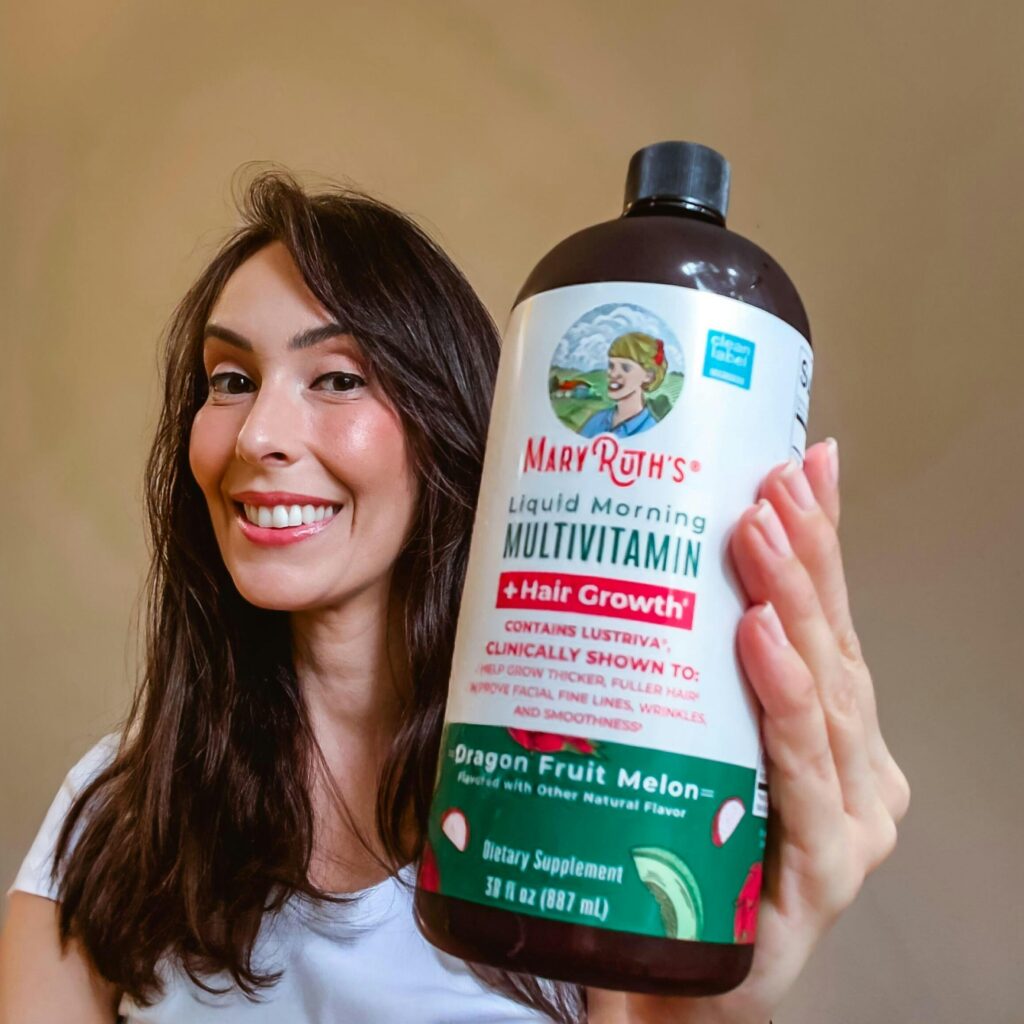
The foundational difference between these two products lies in how they approach nutritional support. MaryRuth’s Hair Growth Liquid Vitamins build upon a flagship morning multivitamin base, delivering a comprehensive blend of daily vitamins and minerals alongside dedicated hair-support additives. The formula presents as a liquid, raspberry-flavored preparation intended for daily consumption by individuals aged one and older. This delivery method prioritizes ease of ingestion and rapid dissolution, which some consumers prefer for digestive comfort or pill-averse routines. [1]
Nutrafol Women’s Balance operates differently. Rather than anchoring its formula in a daily multivitamin matrix, it utilizes a concentrated blend of botanical ingredients designed to address scalp environment, stress response, and hormonal balance during perimenopausal, menopausal, and postmenopausal transitions. The supplement follows the standard capsule/tablet delivery model common in targeted hair care regimens, allowing for precise dosing of specialized botanical extracts without overlapping broad-spectrum micronutrients. [2]
Both approaches carry practical implications. Liquid formats require careful measurement and shelf-life management once opened, while capsule-based botanical blends typically offer standardized portion control and extended stability. Consumers should verify current bottle sizes, serving counts, and storage instructions directly with the retailer, as packaging specifications frequently update.
MaryRuth Organics Hair Growth Liquid Vitamins
The MaryRuth formulation contains core multivitamin components including Vitamin A and Vitamin C, positioned to support immune function, energy metabolism, and overall wellness. To extend functionality toward hair health, the company adds a dedicated hair-growth complex featuring Lustriva (also referenced as Lria), silicon, L-arginine, and an elevated biotin concentration. The biotin level represents more than thirty times the amount found in the standard multivitamin variant, delivering approximately ten times the recommended daily intake. Marketing materials associate the formula with thicker hair and wrinkle improvement. [1][4]
Independent reviewers note that the biotin load, while generally recognized as safe, lacks robust clinical support for general hair loss prevention. Existing biotin research focuses primarily on alopecia areata cases treated with injectable biotin combined with vitamin B5, rather than oral supplementation for routine thinning. The Lustriva component carries a claim of clinical study, but publicly available documentation reveals a trial involving only twelve participants. Additionally, promotional assertions regarding noticeable hair thickening within three weeks do not reference cited research on the brand’s official channels. [4][6]
Nutrafol Women’s Balance
Nutrafol’s Women’s Balance centers on botanical-driven support rather than synthetic or isolated micronutrient loading. The formulation avoids pharmaceutical-grade active ingredients and operates within standard dietary supplement regulations, meaning it does not undergo FDA pre-market approval. Instead, the product emphasizes plant-derived compounds selected to interact with scalp biology and systemic stress markers. Because the ingredient list is proprietary and phased specifically for hormonal transition windows, exact milligram concentrations are not publicly disclosed in standard marketing materials. [2]
Consumers seeking transparency should request full ingredient panels and dosage ranges directly from the manufacturer or authorized distributors. Third-party laboratory verification certificates should also be confirmed through current retailer listings, as certification status and batch testing schedules change periodically.
Evaluating supplement efficacy requires examining study design, population alignment, and outcome measurement. Nutrafol Women’s Balance includes at least one randomized, double-blind, placebo-controlled trial published in 2021. The study focused on perimenopausal, menopausal, and postmenopausal women experiencing thinning hair and reported significantly increased hair counts compared to the placebo group. Subsequent 2024 research involving the vegan variant documented improved hair quality, appearance, texture, and volume in a significant proportion of participants. While these investigations were conducted by researchers affiliated with the company, methodological descriptions indicate sound experimental design. [2]
MaryRuth’s hair growth liquid lacks independently published, peer-reviewed trials matching the scale and rigor of the Nutrafol data. Available documentation highlights a twelve-participant study for Lustriva, which limits statistical power and generalizability. The absence of cited research for accelerated timeline claims further complicates independent verification. Readers requiring clinical confirmation should contact the manufacturer for raw study summaries, examine participant inclusion criteria, and cross-reference findings with licensed dermatologists or trichologists who can contextualize results against personal health profiles. [4][6]
Safety Profile and Interaction Considerations
Supplement safety depends on ingredient overlap, baseline nutrition, and concurrent medication use. Combining MaryRuth’s Hair Growth Liquid with Nutrafol Women’s Balance introduces a potential nutrient duplication risk. Community discussions indicate that stacking the MaryRuth multivitamin hybrid alongside Nutrafol may deliver excessive vitamin loads, which could theoretically trigger increased shedding in susceptible individuals. This observation requires professional verification, as individual tolerance varies based on dietary intake, metabolic rate, and existing supplement regimens. [3]
To reconcile this, consumers should audit their complete daily intake before combining products. If a physician or registered dietitian confirms adequate baseline nutrition, selecting a single targeted formula reduces overlap risk. If comprehensive daily support remains necessary, spacing doses, adjusting portions, or switching to a non-multivitamin hair-specific product prevents redundancy. often verify interaction warnings with a licensed pharmacist, particularly when managing thyroid conditions, anticoagulant therapy, or hormone-regulating medications. Biotin concentrations exceeding typical daily requirements warrant additional caution. High-dose biotin can interfere with certain laboratory assays, including cardiac marker tests and thyroid panels. Users scheduling blood work should disclose supplement use to their healthcare provider and consider temporary discontinuation prior to testing, following clinical guidance. Nutrafol’s botanical composition avoids FDA pre-approval pathways but still requires adherence to standard supplement safety practices. Consumers with known botanical allergies, autoimmune conditions, or pregnancy/breastfeeding status should verify ingredient safety with a qualified medical professional before initiation. [2]
Practical Limitations and Pre-Purchase Verification Steps
Hair biology operates on extended cycles, making short-term result expectations misaligned with physiological reality. Both products function as nutritional support tools rather than immediate corrective treatments. Adequate dietary protein, consistent caloric intake, and overall metabolic health fundamentally influence hair retention and growth regardless of supplemental addition. Consumers experiencing sudden or patchy hair loss should rule out underlying medical causes through clinical evaluation before relying exclusively on over-the-counter supplements. [6]
Before purchasing, execute the following verification steps:
– Confirm current pricing, subscription discounts, and shipping thresholds directly with the manufacturer or authorized U.S. retailer, as promotional structures and inventory levels shift frequently. – Review full ingredient panels for allergens, stimulants, or compounds conflicting with existing medications. – Request third-party testing documentation (GMP compliance, heavy metal screening, potency verification) from customer support or product listing pages. – Establish a baseline hair assessment through standardized photography and density tracking to measure progress objectively over a minimum eight-to-twelve-week period. – Consult a licensed clinician to identify specific nutritional deficiencies via blood panels, ensuring supplemental ingredients address documented gaps rather than operating on generalized assumptions. ## Matching the Supplement to Your Specific Needs
Selection should align with formulation preference, clinical priorities, and lifestyle constraints. Consider Nutrafol Women’s Balance if:
– You prioritize products with randomized, double-blind clinical tracking for age-related or hormonal thinning. – You prefer capsule-based botanical blends that avoid overlapping multivitamin matrices. – You require structured usage protocols aligned with perimenopausal, menopausal, or postmenopausal transitions. – You want to minimize daily supplement complexity while targeting scalp environment and stress-response pathways. [2]
Consider MaryRuth Organics Hair Growth Liquid Vitamins if:
– You prefer liquid administration for easier swallowing or faster gastric dissolution. – You already incorporate the MaryRuth morning multivitamin line and seek a simplified transition to a hair-focused variant. – You value broad-spectrum daily nutrition (including Vitamins A and C) alongside added hair-support compounds. – You require a raspberry-flavored, family-compatible formulation suitable for adults and children aged one and older. [1]
If your goal involves comprehensive daily micronutrient coverage alongside hair support, choose a single integrated product rather than combining separate formulas. Overlapping multivitamins with targeted hair blends increases nutrient duplication risk and complicates dosage tracking. Verify current package contents, serving sizes, and expiration dates directly with the retailer, as manufacturing updates occur regularly. [3]
Final Takeaway
MaryRuth Organics Hair Growth Liquid Vitamins and Nutrafol Women’s Balance represent two valid but structurally different approaches to dietary hair support. MaryRuth delivers a liquid multivitamin foundation enhanced with Lustriva, silicon, L-arginine, and elevated biotin, offering broad daily nutrition alongside hair-focused additives. Nutrafol Women’s Balance utilizes a concentrated botanical framework backed by a randomized, double-blind placebo-controlled study demonstrating significantly increased hair counts in menopausal-transition populations. [1][4]
Neither product guarantees uniform results, as hair physiology responds to genetics, hormonal status, nutritional baseline, and clinical history. Verify all pricing, subscription terms, package contents, and third-party testing documentation through current manufacturer or authorized retailer listings. Cross-reference ingredient concentrations with your existing diet, confirm laboratory test compatibility, and consult a licensed healthcare provider to align supplementation with your specific health profile. Executing these verification steps ensures you select a formulation that matches your nutritional strategy, safety parameters, and long-term hair health objectives. ## Sources https://www.maryruthorganics.com/blogs/supplements-nutrition/liquid-morning-multivitamin-vs-liquid-multivitamin-plus-hair-growth https://www.innerbody.com/nutrafol-vs-hers https://www.facebook.com/groups/maryruthcommunity/posts/3261197600855998 https://www.youtube.com/watch?v=Fg1PLpsDe5g https://www.tiktok.com/@loren_elizabeth55/video/7443136010403466542 https://www.youtube.com/watch?v=gUutvntQxb8 [1][2][3][4][5][6]