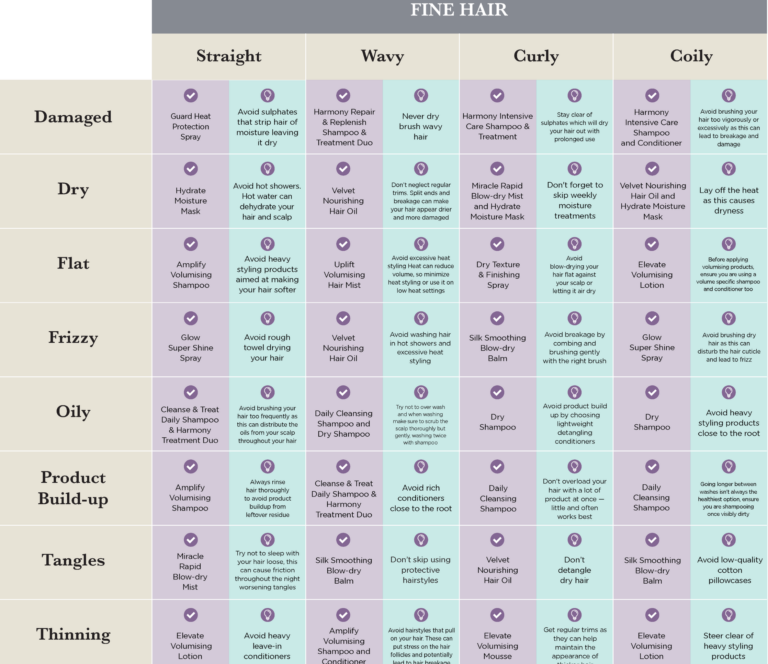
In this guide
Fine Hair Care: A Practical Step-by-Step Guide for Volume and Manageability
Quick Summary: Key Takeaways for fine hair Care
- Fine hair refers to strand diameter, not density—understanding this distinction guides all product and technique choices
- Use lightweight, volumizing products specifically formulated for fine or thin hair
- Apply conditioner only to mid-lengths and ends—never the scalp
- Master root-lifting blow-drying techniques for maximum hair volume
- Protect hair from heat damage with dedicated heat protectant products
- Maintain scalp health through regular cleansing and occasional exfoliation
- Support hair growth from within through balanced nutrition and healthy lifestyle habits
If you have fine hair (sometimes called thin hair or low volume hair), you know the struggle: products that promise volume leave your hair feeling flat by noon, heavy conditioners drag your strands down, and no matter what you try, your hair never seems to have that full, bouncy quality you see in magazines. You are not alone. Fine hair presents unique challenges that require a fundamentally different approach than thicker hair types. The good news is that with the right knowledge and a targeted routine, you can transform your hair from limp and lifeless to voluminous and vibrant.
This guide provides you with an immediately actionable, science-informed system for caring for fine hair. You will learn how to cleanse without stripping, condition without weighing down, style for maximum lift, and maintain the scalp health that supports strong growth. By the end, you will have a complete, implementable routine that addresses every aspect of fine hair care, giving you the fuller, healthier-looking hair you deserve.
Understanding Fine Hair: Density, Diameter, and Porosity
Before diving into products and techniques, you need to understand exactly what “fine hair” means. Many people confuse fine hair with thin hair, but these are two distinct characteristics that can occur independently of each other.
Hair Shaft Diameter vs. Hair Density
Fine hair refers to the diameter of individual hair strands. Hair professionals and trichologists often categorize hair by strand thickness, with fine hair typically having a smaller circumference than medium or coarse hair. This makes each strand slender and delicate, prone to bending easily and lacking the natural weight that thicker strands have.
Thin hair, on the other hand, refers to hair density: the number of individual hair strands on your scalp. You can have dense thin hair (many fine strands) or sparse thick hair (fewer but wider strands). Most people with fine hair also have what feels like thin hair simply because fine strands take up less visual space.
Understanding this distinction matters because it affects every choice you make. Fine hair needs lightweight products that will not add unnecessary weight. Thin density hair may benefit from techniques that create the appearance of more strands, such as strategic layering or volumizing products.
Porosity: How Your Hair Absorbs Products
Porosity describes how well your hair absorbs and retains moisture and products. You can determine your porosity with a simple test: drop a clean strand of hair into a glass of water. If it floats, you likely have low porosity hair that resists moisture absorption. If it sinks slowly, you have medium porosity. If it sinks quickly, you have high porosity that absorbs products easily but also loses moisture quickly.
Fine hair with high porosity absorbs products rapidly, which can be both beneficial and problematic. You get quick results from conditioning treatments, but you are also more susceptible to product buildup and moisture loss. Fine hair with low porosity requires more effort to penetrate with products, so lightweight, water-based formulas work best.
For most fine hair types, a lightweight approach regardless of porosity serves you well: easily absorbed products that do not sit heavily on the strand, with occasional clarifying to remove any buildup.
Choosing the Right Cleansing Products for Fine Hair
Your cleansing routine sets the foundation for everything else. The wrong shampoo can strip your hair of natural oils, leaving it dry and prone to breakage, or it can leave behind heavy residues that weigh fine strands down for days.
What to Look for in a Shampoo
For fine hair, you want cleansers that remove dirt, oil, and product buildup without being overly aggressive. The ideal shampoo contains gentle surfactants that cleanse effectively while maintaining your hair’s natural moisture balance.
Beneficial ingredients for fine hair include:
- Cocamidopropyl betaine: A gentle, coconut-derived surfactant that produces a rich lather without stripping
- Sodium lauryl sulfoacetate: A mild cleanser that effectively removes buildup
- Tea tree oil: Provides scalp health benefits and has natural cleansing properties
- Panthenol (pro-vitamin B5): Adds moisture and body while cleansing
- Volumizing polymers: Temporary coating agents that add grip and fullness
Ingredients to Avoid
Certain ingredients work against fine hair’s needs:
- Heavy sulfates: Sodium lauryl sulfate and similar strong surfactants can be too stripping for fine hair and may over time cause the scalp to produce more oil to compensate
- Heavy oils in shampoos: Coconut oil, argan oil, and similar ingredients do not belong in cleansers meant for fine hair; they coat strands before you rinse them out
- Heavy silicone blends: While some silicones are fine, heavy silicone formulas in shampoos can create buildup that weighs hair down
Clarifying vs. Daily-Use Shampoos
You need both types in your routine. A gentle daily shampoo addresses your regular cleansing needs without being harsh, while a clarifying shampoo used once weekly or every two weeks removes the product buildup, minerals from hard water, and environmental pollutants that accumulate on fine hair. Look for clarifying shampoos with ingredients like apple cider vinegar or chelating agents that bind to mineral deposits and draw them out.
Conditioning Strategies That Add Volume Without Weight
Conditioning fine hair requires precision and restraint. Apply conditioner in the wrong place or use the wrong formula, and you will wake up with hair that looks flat, greasy, and lifeless.
Targeted Application Technique
The golden rule for conditioning fine hair: never apply conditioner to your scalp or roots. Your scalp produces natural oils that travel down the hair strand, providing natural lubrication. Adding conditioner at the roots creates an oil-rich barrier that weighs down the very area where you want maximum lift.
Instead, apply conditioner exclusively to the mid-lengths and ends of your hair. Start about two inches from your scalp and work the product through to the tips. This ensures your lengths and ends receive moisture and detangling benefits while your roots stay light and voluminous.
Choosing the Right Conditioner Formula
Fine hair responds best to lightweight conditioning formulas:
- Mousses and light lotions: Provide moisture without heaviness
- Volumizing conditioners: Specifically formulated with polymers that coat strands for fullness without weight
- Aerosol-format conditioners: Disperse as a fine mist that coats evenly without saturating
Avoid heavy cream conditioners, deep conditioning masks with butters or heavy oils, and any product marketed as “intensive” or “ultra-moisturizing” unless you use them very sparingly on your ends only.
Leave-In Conditioners and Treatments
Leave-in conditioners serve fine hair differently than rinse-out conditioners. Look for products containing:
- Hydrolyzed proteins: Such as hydrolyzed silk or wheat protein, which penetrate the hair shaft and add strength without heaviness
- Amino acids: The building blocks of keratin that help repair damage
- Lightweight humectants: Glycerin and panthenol attract moisture without creating weight
Apply a small amount of leave-in conditioner to the ends of your hair, concentrating on areas that are prone to dryness or damage. A dime-sized amount is usually sufficient for fine hair.
Optimal Washing Frequency and Technique
How often you wash your hair significantly impacts its appearance and health, and fine hair has specific needs that differ from thicker hair types.
Finding Your Ideal Washing Frequency
For most people with fine hair, washing every two to three days strikes the right balance. This frequency removes excess oil and product buildup while preserving enough natural oils to keep hair moisturized and manageable. However, your ideal frequency depends on several factors:
- Scalp oil production: Some scalps naturally produce more oil and require more frequent washing
- Activity level: Regular exercise and sweating may necessitate more frequent washing
- Styling needs: Heavy styling products build up and may require more frequent cleansing
- Climate: Humidity and heat increase oil production and product buildup
The key principle is this: washing too frequently, especially with harsh shampoos, may paradoxically increase oiliness over time. When you strip your scalp of natural oils frequently, your sebaceous glands may overcompensate by producing more oil. If you have been washing daily and struggling with oily roots, try extending the time between washes gradually to allow your scalp to regulate its oil production.
Proper Washing Technique for Fine Hair
Technique matters as much as frequency. Follow these steps for effective cleansing:
- Wet hair thoroughly with lukewarm water. Hot water can be too stripping; cold water may not effectively remove products.
- Dispense a small amount of shampoo — less than you think you need. Fine hair does not require the generous dollop recommended for thicker hair.
- Work the shampoo between your palms to create a light lather before applying to hair.
- Focus on the scalp where oil and dead skin cells accumulate. Use your fingertips (not nails) to gently massage your entire scalp in circular motions. This stimulates blood flow to hair follicles while effectively cleansing.
- Allow the lather to run through the lengths as you rinse. You do not need to shampoo the ends directly; the runoff cleanses them sufficiently.
- Rinse thoroughly until water runs completely clear. Residual shampoo left on the scalp can cause irritation and buildup.
Volumizing Styling Methods and Products
Styling fine hair is where the magic happens. With the right techniques and products, you can create substantial volume and lift that lasts throughout the day.
Blow-Drying for Maximum Root Lift
Blow-drying is your most powerful tool for creating volume in fine hair. The heat softens the hair’s hydrogen bonds, allowing you to reshape strands and set them in a lifted position.
Step-by-step root-lifting technique:
- Apply a heat protectant and volumizing product to damp hair
- Flip your head upside down and blast-dry your roots first, using your fingers to lift hair at the scalp while directing airflow underneath
- Once roots are mostly dry, flip back and section your hair
- Using a round brush, place the brush under a section of hair at the root area
- Direct your dryer’s heat at the brush while simultaneously pulling the brush upward and slightly backward, away from your face
- Hold the heat in place briefly, then move to the next section while the previous one cools
- Allow hair to cool completely before touching or applying additional products
An ionic hair dryer can be beneficial for fine hair. Some models emit negative ions that may help break down water molecules more efficiently, potentially reducing drying time. Less time under heat may mean less opportunity for damage and more retained volume.
Volumizing Products That Actually Work
The right products applied correctly can dramatically increase volume:
- Mousse: Applied to damp roots and hair before blow-drying, mousse provides flexible hold and root lift. Look for formulas labeled “volumizing” and “lightweight.”
- Root lift sprays: Designed to be applied directly to the scalp area before styling, these sprays create temporary volume at the roots.
- Dry shampoo: On non-wash days, dry shampoo absorbs excess oil while adding texture and grip that makes hair easier to style with volume.
- Thickening sprays: Contain polymers that coat individual strands, temporarily increasing their diameter for a fuller appearance.
Product Order Matters
Applying products in the correct sequence maximizes their effectiveness. Generally, follow this order: cleansing, conditioning, heat protectant, volumizing product, then heat styling. This ensures each product can perform its function without interference from products applied afterward.
Best Haircuts and Layers for Fine Hair
The right haircut can make fine hair appear twice as full, while the wrong cut can make it look even thinner. Understanding how different cuts interact with fine hair’s characteristics helps you choose styles that enhance your hair’s natural qualities.
Understanding How Cuts Affect Fine Hair
Fine hair lacks the natural weight and body that helps thicker hair hold styles. Strategic haircut choices compensate for these limitations:
Blunt cuts create a clean, horizontal line at the ends. For fine hair, blunt cuts work because they preserve the hair’s natural weight at the ends, making each strand look slightly thicker and the overall hair mass appear more substantial. A blunt bob or lob keeps ends thick and full-looking.
Textured or choppy layers create movement and the illusion of density by varying the lengths throughout the hair. These cuts work particularly well when the texturizing is subtle—removing bulk without creating wispy, thin-looking ends.
Longer lengths can actually work well for fine hair because they add weight that makes hair appear thicker. However, extremely long fine hair may lack body and movement. A medium-to-long length with subtle layers often provides the best balance.
Haircut Recommendations by Face Shape
| Face Shape | Recommended Styles | Styles to Avoid |
|---|---|---|
| Oval | Layered lob with face-framing pieces, textured pixie | Very few—most styles work well |
| Round | Angular cuts with length below chin, asymmetric bobs | Heavy, one-length cuts that add width at cheeks |
| Square | Soft, layered cuts with waves or texture | Harsh, geometric lines |
| Heart | Chin-length bobs with volume at jawline, side-swept bangs | Heavy top volume that widens forehead |
What to Avoid
Steer clear of excessive thinning or “thinning shears” used throughout the hair. While some thinning can remove bulk for styling purposes, too much removes the diameter that fine hair desperately needs. Removing too much also creates wispy, unmanageable ends that frizz and fall flat.
Heat Styling: Protection, Temperature, and Frequency
Fine hair’s delicate structure makes it particularly vulnerable to heat damage. Each heat styling session can compromise the hair’s integrity, and cumulative damage leads to breakage, split ends, and loss of elasticity. Protecting fine hair requires a thoughtful approach to heat styling.
The Non-Negotiable: Heat Protectant
Before any heat styling, you should apply a heat protectant. This product creates a barrier between your hair and high temperatures, reducing damage by dispersing heat and preventing moisture loss from the hair shaft.
Look for heat protectants containing:
- Silicones: Such as dimethicone, which coat the hair and provide heat protection while adding shine
- Bond-building ingredients: Some newer formulas contain ingredients that claim to repair and strengthen bonds damaged by heat
- Arginine: An amino acid that may help protect hair protein structure
Apply heat protectant to damp hair before blow-drying, or before using any heat tools like flat irons or curling wands. Do not skip this step even for quick touch-ups.
Temperature Guidelines
Many hair care professionals recommend keeping fine hair below 350°F (175°C) for heat styling. In fact, many fine hair types achieve their desired results at lower temperatures. Higher temperatures do not style hair faster—they simply cause more damage.
If you are using a flat iron or curling wand, start at a lower temperature and only increase if you are not getting results. You may be surprised how well fine hair styles at lower heat settings.
Limiting Heat Styling Frequency
Many experts recommend restricting intense heat styling to a few times weekly. This gives your hair time to recover between sessions and prevents cumulative damage from reaching visible levels.
Heat-free styling alternatives for rest days:
- Air-drying with product: Apply a lightweight styling product to damp hair and allow it to dry naturally
- Heatless curls: Use foam rods, silk scrunchies, or flexi rods on damp hair overnight
- Braided styles: Sleep in loose braids for natural waves
- Velcro rollers: Set dry or slightly damp hair in Velcro rollers for volume without heat
Scalp Health: The Foundation of Fine Hair Vitality
Beautiful hair grows from a healthy scalp. No matter how perfect your styling routine is, if your scalp is unhealthy, your hair will struggle to grow strong and full. For fine hair, which is already limited in diameter, maintaining optimal scalp conditions is especially important.
Why Scalp Health Matters for Fine Hair
Hair follicles are the factories that produce your hair. When follicles are healthy and functioning properly, they produce strong, vibrant strands. When follicles are clogged with product buildup, excess oil, or dead skin cells, or when circulation is poor, hair growth suffers.
For fine hair, which already has limited diameter, anything that compromises the follicle’s ability to produce robust hair directly impacts your hair’s appearance. Addressing scalp health removes one of the primary barriers to your best possible hair.
Scalp Care Practices
Regular exfoliation: Just like your skin, your scalp accumulates dead skin cells that can clog follicles. Use a scalp scrub or exfoliating shampoo once weekly to remove this buildup. You can also use a soft-bristled scalp brush in the shower to manually exfoliate while you shampoo.
Oil massage: Regular scalp massage increases blood flow to the follicles, delivering more nutrients and oxygen. Use your fingertips to massage your scalp for several minutes regularly. You can do this dry before showering or while applying conditioner.
Targeted scalp treatments: If you struggle with scalp imbalances such as excess oiliness, dryness, or flakiness, consider targeted treatments. Tea tree oil diluted in a carrier can help with oily scalps, while lightweight, water-based serums can address dryness without adding heaviness to your hair.
Balanced cleansing: As discussed earlier, your cleansing routine directly affects scalp health. Clean your scalp thoroughly with each wash, but avoid over-cleansing, which can strip the scalp and may trigger increased oil production.
Dietary and Lifestyle Habits for Stronger Hair
External hair care addresses the hair you already have, but what about supporting the growth of new, strong hair? Your overall health directly impacts hair growth, and fine hair particularly benefits from optimal nutritional status.
Nutrients That Support Fine Hair
Protein: Hair is composed primarily of keratin, a protein. Without adequate dietary protein, your body cannot produce strong, healthy hair. Include lean meats, fish, eggs, dairy, legumes, and plant-based protein sources in your diet.
Biotin: This B vitamin plays a role in keratin production and hair growth. Good sources include eggs, nuts, seeds, sweet potatoes, and avocados.
Iron: Iron deficiency can contribute to hair thinning. Include iron-rich foods like lean red meat, spinach, lentils, and fortified cereals. Pair iron sources with vitamin C to enhance absorption.
Omega-3 fatty acids: These healthy fats support scalp health and hair elasticity. Find them in fatty fish (salmon, mackerel, sardines), flaxseed, chia seeds, and walnuts.
Lifestyle Factors
Stress management: Chronic stress may push hair follicles into a resting phase, potentially leading to increased shedding and slower growth. Practice stress-reduction techniques such as exercise, meditation, adequate sleep, and hobbies you enjoy.
Sleep: Hair growth occurs during sleep, and your body repairs and regenerates during rest. Aim for seven to nine hours of quality sleep nightly.
Hydration: Proper hydration supports all bodily functions, including nutrient delivery to hair follicles. Drink adequate water throughout the day.
When to Seek Professional Help
If you experience sudden, significant hair thinning or loss, consult a healthcare provider or dermatologist. Conditions like androgenetic alopecia (hereditary hair loss) require professional diagnosis and treatment. While lifestyle and dietary improvements support hair health, they cannot address underlying medical conditions that cause hair loss.
Common Mistakes and Myths to Avoid
Countless myths and well-intentioned but misguided advice circulate about fine hair care. Falling for these misconceptions wastes time and money while potentially damaging your hair.
Product-Related Mistakes
Heavy silicone products near the roots: Silicones can smooth and protect hair, but heavy silicone serums applied near the scalp create a greasy barrier that weighs hair down and may clog pores. If you use silicone products, apply them only to the mid-lengths and ends, and use a clarifying shampoo periodically to prevent buildup.
Overusing protein treatments: While protein is beneficial for strengthening hair, fine hair can be particularly susceptible to protein overload. Too much protein makes hair rigid and brittle, potentially causing breakage rather than preventing it. Limit intensive protein treatments to once monthly or less, and always follow with moisture.
Technique-Related Mistakes
Aggressive towel drying: Rubbing your hair vigorously with a towel causes mechanical damage, especially to fine strands. Instead, gently squeeze excess water from your hair and blot with a soft towel or an old cotton t-shirt.
Brushing wet hair with the wrong tool: Wet hair is more elastic and vulnerable to breakage. Use a wide-tooth comb or a brush specifically designed for wet hair. Avoid fine-tooth combs and brushes with harsh bristles that can snag and break fine strands.
Debunked Myths
“You must wash your hair every day”: Daily washing strips natural oils and can increase oiliness over time. Every-other-day or every-two-to-three-days washing is healthier for most hair types.
“All sulfates are harmful”: While harsh sulfates can be problematic for fine or dry hair, some sulfates in appropriate concentrations are effective cleansers. The key is choosing products with gentle surfactants suitable for your hair’s needs.
“You should never use heat on fine hair”: Moderate heat styling used judiciously with proper protection causes minimal damage. Completely avoiding heat is unnecessary; limiting frequency and using protection is the realistic approach.
Building Your Sustainable Fine Hair Routine
Now that you understand the principles of fine hair care, it is time to synthesize everything into a practical, sustainable routine you can follow consistently.
Daily Routine
Morning refresh:
- If not washing, apply dry shampoo to roots to absorb oil and add texture
- Spritz lightly with water or a leave-in conditioning spray if hair needs moisture
- Apply a lightweight volumizing spray or mousse to roots if you plan to style
- Style using your preferred technique (blow-dry, heatless method, or simply arrange)
Weekly Maintenance
- Deep conditioning: Apply a lightweight deep conditioning treatment to mid-lengths and ends once weekly. Leave on for the recommended time and rinse thoroughly.
- Clarifying: Use a clarifying shampoo once weekly or every two weeks to remove buildup.
- Scalp treatment: Perform a scalp exfoliation or massage session.
- Protein treatment: Apply a protein or bond-building treatment bi-weekly for strengthening, if your hair responds well to protein.
Monthly Maintenance
- Trim