In this guide
Fine Hair FAQs: Volume, Care & Myths
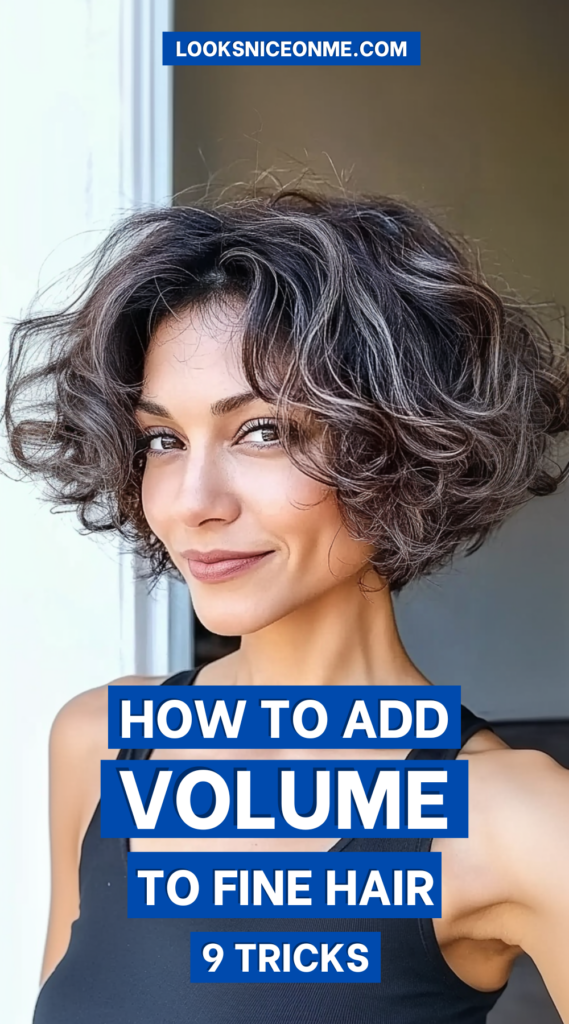
If you have fine hair, you know the paradox well: it can feel silky and soft, yet stubbornly flat by midday. It swings between being weighed down by the lightest product and turning oily before the afternoon arrives. You’ve likely searched for answers across countless blogs, product labels, and salon consultations — often finding contradictory advice. This guide is built to cut through the noise. Here, we address the most frequently asked questions about fine hair with clear, practical explanations grounded in how hair actually behaves. No invented statistics, no miracle cures. Just useful knowledge for making informed choices about your hair.
We’ll cover what fine hair truly is — a matter of strand diameter, not overall density — and walk through washing routines, product ingredients, haircut strategies, coloring safety, diet, and styling techniques that genuinely help. The goal isn’t to transform your hair into something it’s not, but to help it look and feel its fullest, healthiest self.
What is fine hair, and what causes it?
Before tackling products and routines, it’s essential to understand what fine hair actually is. Fine hair refers to the diameter of each individual strand. A single fine hair strand has a smaller circumference than a medium or coarse strand. This is a structural trait set largely by genetics. You can have fine hair and still have a lot of it — what stylists call high density — or you can have fine hair that is also sparse, which is a different situation altogether.
Many people confuse fine hair with thinning hair, but they are not the same. Thinning hair involves a reduction in the number of active hair follicles over time, often due to hormonal shifts, stress, nutritional factors, or age-related changes. In many cases, thinning is driven by the influence of dihydrotestosterone (DHT), which can cause follicle miniaturization and progressively finer, shorter hairs — a process distinct from having a genetically small strand diameter. Fine hair, on the other hand, is about the quality of each strand. You might have had fine hair your entire life; it’s simply your hair type, much like having straight or curly hair.
Additionally, hair porosity — the hair’s ability to absorb and retain moisture — often correlates with strand diameter. Fine hair frequently has a compact, flat cuticle layer, leading to low porosity. This means moisture and products have a harder time penetrating, making lightweight, water-based formulations far more effective than heavy oils that merely sit on the surface. Over-porous fine hair (often from chemical damage) can absorb moisture quickly but lose it just as fast; knowing your porosity helps you choose the right products for fine hair.
What causes fine hair? Primarily, your genes. If your biological parents have fine hair, you’re likely to as well. Hormonal changes can also influence strand thickness temporarily — for instance, during pregnancy, elevated estrogen can prolong the growth phase and make hair appear fuller, while postpartum drops can lead to shedding and a return to baseline fineness. Age-related changes may cause strands to become slightly finer over decades as follicles gradually produce thinner hairs.
Scalp health plays an outsized role for fine-haired individuals. Because each follicle on a fine-haired scalp tends to be accompanied by an active sebaceous gland, the scalp environment directly impacts how hair looks at the root. A congested or irritated scalp can impede healthy growth and exacerbate the appearance of flatness. Keeping the scalp clean, balanced, and free of buildup is foundational — more on that in the next section.
Why does fine hair get oily so quickly, and how often should I wash it?
If there’s one universal complaint among people with fine hair, it’s oiliness. Washed hair in the morning can look stringy by evening. The reason is anatomical: fine hair means more follicles per square inch of scalp, and each follicle is paired with a sebaceous gland. That adds up to more oil-producing glands concentrated in a given area. Additionally, the smooth, narrow surface of a fine strand offers little resistance, so sebum travels from root to tip quickly, coating the entire hair shaft faster than it would on coarser hair.
Hair follicles cycle through distinct phases: anagen (active growth), catagen (transition), and telogen (resting). Chronic stress, illness, or hormonal shifts can push a larger percentage of follicles into the telogen phase, leading to noticeable shedding a few months later. While this doesn’t change the oiliness of remaining strands, it can make fine hair appear thinner and is worth noting if you experience sudden increases in scalp visibility.
As for washing frequency, there is no single rule that fits everyone. Many dermatologists and stylists suggest washing fine hair every other day or even daily if needed, using a gentle, sulfate-free volumizing shampoo. The old advice to “train” your hair by washing less often doesn’t hold up well for fine hair, because the oil production rate is hormonally and genetically driven — it won’t necessarily downregulate just because you skip washes. In fact, letting sebum and dead skin cells accumulate can clog follicles and lead to scalp irritation, which is counterproductive.
That said, avoid harsh clarifying shampoos every day. Reserve deep-cleansing formulas for once a week or every two weeks to remove product buildup. For regular washing, choose a lightweight shampoo labeled “volumizing,” “gentle clarifying,” or “for fine hair.” Explore our guide to the best shampoos for fine hair for specific recommendations. Double cleansing — washing twice in one session with a small amount of shampoo each time — can thoroughly remove oil without over-stripping, leaving the scalp truly clean and extending the time between washes slightly.
Rebound oiliness happens when you strip the scalp too aggressively, prompting it to overcompensate with more sebum. To avoid this, look for shampoos with mild surfactants like sodium cocoyl isethionate or cocamidopropyl betaine rather than strong sulfates. Condition only from mid-lengths to ends, never at the roots. A lightweight, rinse-out conditioner is usually sufficient; leave-in products can be skipped or used sparingly on the very ends.
What ingredients should I look for (and avoid) in products for fine hair?
Product choice can make or break fine hair. The right ingredients create grip, lift, and a temporary thickening effect. The wrong ones glue strands together, accentuating scalp show-through and flatness. Striking a protein‑moisture balance is especially important for fine hair: it can be protein-sensitive, so too much hydrolyzed protein may lead to brittleness, while too little leaves it limp. Many experts recommend alternating a protein‑based volumizing product with a lightweight moisturizing conditioner to maintain elasticity without weight.
Quick Ingredient Reference
| Look for (volumizing & lightweight) | Avoid (heavy & coating) |
|---|---|
| Hydrolyzed wheat / rice / silk proteins Panthenol (pro-vitamin B5) Caffeine, niacinamide Polyquaternium-11, VP/VA copolymer Kaolin or rice starch | Shea butter, coconut oil, mango butter High‑concentration dimethicone Wax‑based pomades Heavy conditioning masks at roots |
Ingredients that help fine hair
- Hydrolyzed proteins (wheat, rice, silk, keratin): These small protein fragments attach to the hair shaft and can temporarily swell the cuticle slightly, adding body. They also strengthen, reducing breakage.
- Panthenol (pro-vitamin B5): A humectant that draws moisture into the hair without heaviness. It coats the strand lightly, improving flexibility and shine.
- Caffeine and niacinamide: Often found in scalp-focused products, these may support a healthy scalp environment, though their effects on strand diameter are minimal.
- Lightweight polymers (e.g., polyquaternium-11, VP/VA copolymer): These provide hold and volume in mousses and sprays without the weight of oils or waxes.
- Root-lifting clays and starches: Kaolin clay or rice starch in dry shampoos and volumizing powders absorb oil and add texture at the roots.
Products and ingredients to avoid
- Heavy butters and oils: Shea butter, coconut oil, mango butter, and castor oil are excellent for coarse or curly hair but will flatten fine strands almost instantly.
- Thick silicones: Dimethicone and amodimethicone in high concentrations can build up, creating a weighted film. Light, water-soluble silicones in small amounts are generally fine.
- Wax-based pomades and balms: These coat hair heavily and are difficult to remove without clarifying.
- Rich conditioning masks at the roots: Even the best mask is too heavy when applied near the scalp on fine hair. Keep treatments on the ends only.